

Latex Vs Hybrid Mattresses - Which Mattress Type Is Best For You?
Choosing between a latex and a hybrid mattress can be challenging. Both types offer unique benefits, but the best choice depends on your individual needs and preferences. Below, we break down the key differences to help you decide.
Comfort
Latex mattresses are known for their:
- Resilient, responsive feel
- Long-lasting comfort
- Natural temperature regulation—cool in summer, warm in winter
- Hypoallergenic properties, resisting dust mites and allergens
- Minimal motion transfer—ideal for couples or families sharing a bed
Unlike many all-foam mattresses, latex does not trap heat. Many latex beds feature aerated foam with small holes to increase airflow and ventilation.
Hybrid mattresses go a step further in cooling, thanks to their innerspring coils that promote continuous airflow throughout the mattress.
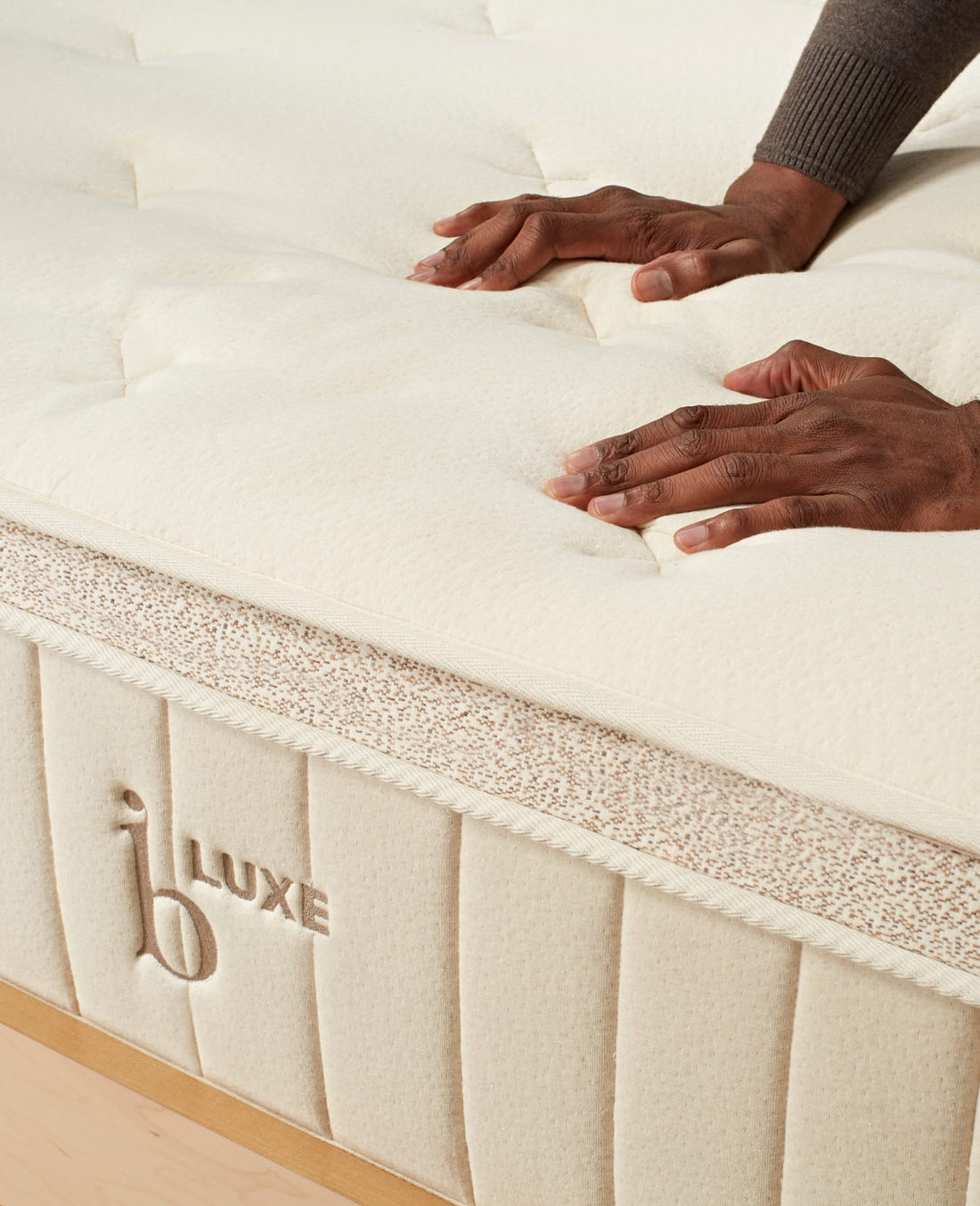
For those seeking eco-friendly options, latex mattresses made with natural materials often carry certifications like GreenGuard, Eco-Institute, or Oeko-Tex Standard 100, ensuring low chemical emissions.
However, all-latex mattresses are typically heavier and denser than hybrids, making them harder to move. If you plan to buy an all-latex mattress, consider whether you'll need help moving it. Also, check if the comfort exchange policy allows you to swap firmness levels during the sleep trial period.
Support
Latex mattresses offer:
- Firm, responsive support
- Hypoallergenic materials—safe for allergy sufferers
- No off-gassing odors (unlike memory foam or some hybrids)
Natural latex is derived from rubber tree sap and is available in different densities, such as Dunlop and Talalay. When buying a natural latex mattress, look for organic cotton or wool covers, and certifications like GREENGUARD or ecoInstitut to ensure the absence of harmful chemicals.
Firmness varies by brand. A simple test: bounce a golf ball on the surface—latex feels more resilient than memory foam, making it a good choice for back and stomach sleepers.
Hybrid latex mattresses combine latex with innerspring coils for a different feel. While modern hybrids minimize spring noise and motion, some may still produce slight sounds or offer less edge support than all-latex models.
Durability
Latex mattresses are prized for their:
- Springy, buoyant sensation—feels like floating above the bed
- Excellent responsiveness to pressure, minimizing motion transfer
- High breathability—great for hot sleepers
- Natural cooling without the need for gels or infusions
- Resistance to sagging and premature wear, especially for heavier individuals and couples
Many top latex mattresses use natural Talalay or Dunlop rubber and offer customizable firmness. Some retailers allow you to add or swap layers to adjust comfort or extend mattress lifespan.
Hybrid mattresses combine memory foam and pocketed coils, offering warmth, bounce, and responsiveness—features that can appeal to cold sleepers.
Price
The price of a latex mattress depends on several factors:
- Firmness level
- Density and Indentation Load Deflection (ILD)
- Thickness
- Material type (natural vs. synthetic latex)
- Cover material (organic cotton, wool, etc.)
Firmer latex beds usually cost more than softer ones. Natural latex mattresses often feature zippered covers for adjustable firmness and edge support, but may be less durable at the edges compared to hybrids.
Hybrid mattresses combine natural latex foam with individually wrapped spring coils to provide:
- Enhanced cushioning and pressure relief
- Reduced pressure points on back, neck, and hips
- Excellent breathability for cooler sleep
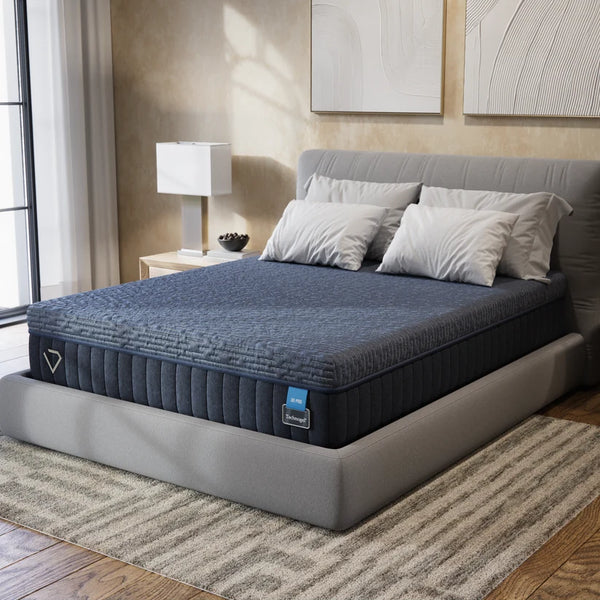
One standout hybrid model is the WinkBeds EcoCloud mattress. This mattress offers a medium feel with zoned support, making it suitable for most sleepers who want to minimize partner disturbance. However, it is not recommended for those with latex allergies.
Frequently Asked Questions
What are the main differences between latex and hybrid mattresses?
Latex mattresses are made primarily from natural or synthetic latex, offering a resilient, bouncy feel and excellent durability. Hybrid mattresses combine layers of latex or foam with innerspring coils, providing a blend of support, bounce, and enhanced airflow.
Are latex mattresses better for allergies?
Yes, natural latex mattresses are hypoallergenic and naturally resistant to dust mites, mold, and mildew, making them a good choice for allergy sufferers.
Do latex mattresses sleep hot?
No, latex mattresses are naturally breathable and do not retain heat like some all-foam beds. Many are aerated for extra airflow, helping you stay cool at night.
Which mattress type is easier to move?
Hybrid mattresses are generally lighter and easier to move than all-latex mattresses, which can be quite heavy and dense.
How long do latex and hybrid mattresses last?
Latex mattresses are known for their long lifespan, often lasting 10-15 years or more. Hybrid mattresses also offer good durability but may not last as long as high-quality all-latex models.
Are hybrid mattresses good for couples?
Yes, hybrid mattresses provide good motion isolation and support, making them a popular choice for couples, especially those who want a balance of bounce and pressure relief.