

Pros and Cons of a Latex Mattress

What Is a Latex Mattress?
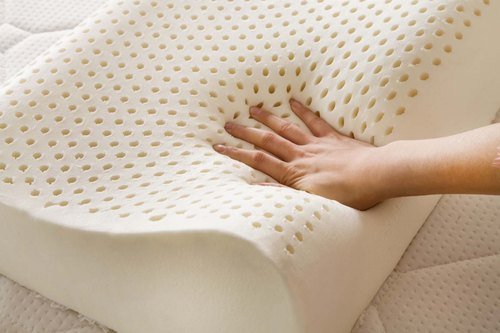
Latex mattresses are a popular choice for those seeking a balance between the support of innerspring beds and the contouring comfort of memory foam. They offer a unique, buoyant feel and are known for their durability and natural materials.
Pros of Latex Mattresses
- Comfort and Support: Latex mattresses provide excellent pressure relief and help keep your spine aligned. Their resilience allows hips and shoulders to sink just enough for reduced stiffness and better sleep comfort. Learn more about latex mattress comfort.
- Customizable Firmness: Many retailers offer different ILD ratings and firmness options, so you can choose a mattress that matches your preferences. See how firmness options vary.
- Motion Isolation: Natural latex reduces motion transfer, making it ideal for couples—one partner's movement is less likely to disturb the other.
- Durability: Latex mattresses are highly durable, often lasting much longer than memory foam or innerspring beds. Many come with warranties of 25 years or more.
- Hypoallergenic: Natural latex resists mold, mildew, and dust mites, supporting a healthier sleep environment—especially beneficial for allergy and asthma sufferers.
- Eco-Friendly: Natural latex is biodegradable and made from renewable rubber tree sap. Many latex mattresses are certified by standards like Oeko-Tex 100 or Green Guard.
Cons of Latex Mattresses
- Heavy and Hard to Move: Latex mattresses are denser and heavier than most other types, making them difficult to move or reposition.
- Initial Odor: Some latex mattresses may emit a rubbery smell when new. This usually fades with time or proper airing out.
- Higher Cost: Natural latex mattresses tend to be more expensive than polyfoam or memory foam options. However, their longevity can offset the upfront investment.
- Foundation Requirements: Due to their weight, latex mattresses should be placed on a solid platform foundation. Using an improper base can void the warranty.
- Material Variations: Not all latex mattresses are 100% natural—some contain synthetic latex or blended foams. Always check the label before purchasing.
Types of Latex Used
- Natural Latex: Harvested from rubber trees using Dunlop or Talalay processes. Offers the most eco-friendly and hypoallergenic option.
- Synthetic Latex: Made from petroleum-based chemicals. Less expensive but not as durable or sustainable.
- Blended Latex: A mix of natural and synthetic latex. May be marketed as "organic" but check for certification and material breakdown.
Durability and Longevity
One of the main advantages of latex mattresses is their long lifespan. Many models come with warranties up to 25 years or even lifetime coverage, far exceeding the typical 10-year warranty on other mattress types. This durability is due to the resilient nature of latex, which resists sagging and maintains support over time.
Always verify that your mattress is made with 100% natural latex if you want the longest lifespan and best hypoallergenic properties. Read more about mattress materials.
Eco-Friendliness
Natural latex mattresses are among the most eco-friendly bedding options available in 2026. They use renewable materials, are biodegradable, and require minimal chemical processing. Many are certified by Oeko-Tex 100, Green Guard, or Eco Institute, ensuring high standards for environmental and health safety.
Additionally, natural latex is highly hypoallergenic and resistant to dust mites, mold, and mildew. Unlike memory foam or innerspring mattresses, latex mattresses generally have little to no off-gassing odor when new.
Cost Considerations
- Upfront Cost: Natural latex mattresses are typically more expensive than polyfoam or memory foam beds. Expect to pay a premium for organic and certified natural latex.
- Value Over Time: The higher initial cost is often offset by the mattress's longevity and durability.
- Blended and Synthetic Options: Some mattresses labeled as "organic latex" may actually contain synthetic materials. Look for clear labeling and certifications.
Latex mattresses also excel at motion isolation, making them a good choice for couples who want undisturbed sleep. Learn more about sleep for couples.
Frequently Asked Questions
Are latex mattresses good for back pain?
Yes, latex mattresses are often recommended for people with back pain. They provide excellent support and pressure relief, helping to maintain proper spinal alignment. Read more about latex for back pain.
Do latex mattresses smell?
Some new latex mattresses may have a mild rubbery odor, but this usually dissipates within a few days. Natural latex has less off-gassing compared to synthetic foams.
How long do latex mattresses last?
High-quality latex mattresses can last 15 to 25 years or more, significantly longer than most memory foam or innerspring mattresses.
Are latex mattresses eco-friendly?
Natural latex mattresses are eco-friendly, biodegradable, and made from renewable resources. Look for certifications like Oeko-Tex 100 or Green Guard for added assurance.
What foundation is best for a latex mattress?
Latex mattresses should be placed on a solid platform foundation or a slatted base with minimal flex. Avoid box springs, as they may not provide adequate support for the mattress's weight.
Are all latex mattresses natural?
No, some latex mattresses use synthetic latex or blends. Always check product labels and certifications to ensure you are getting 100% natural latex if that is your preference.