Struggling to get quality sleep isn't just frustrating—it affects every part of your life, from your mood to your health to your productivity. And you're not alone. About 60% of American adults don't get enough sleep, with nearly 40% experiencing trouble falling asleep three or more nights per week.
The good news? Sleep management solutions have evolved dramatically in recent years. We now have access to digital tools, AI-powered diagnostics, smart mattresses, wearable sleep trackers, and proven behavioral approaches that can genuinely transform how you sleep.
In this post, we'll walk you through the most effective sleep management solutions available today and help you understand which approaches might work best for your specific situation.
Key Takeaway
- Sleep management solutions range from behavioral therapies to digital apps, medications, and smart devices that monitor and improve sleep quality
- Cognitive behavioral therapy for insomnia remains the gold standard first-line treatment with over 70% success rates
- Digital CBT-I apps and AI-powered sleep diagnostics make proven treatment more accessible than ever before
- Wearable sleep trackers and smart mattresses provide helpful insights into your sleep patterns
- Environmental changes like temperature control, light management, and noise reduction significantly impact sleep quality
- Newer medications like dual orexin receptor antagonists offer improved results with fewer side effects than older sleep aids
- A multi-layered approach combining behavioral, environmental, and technological solutions typically delivers the best results
Understanding Modern Sleep Challenges
Sleep disorders affect approximately 936 million adults globally. That's a staggering number. And when you consider that sleep disorders account for nearly $95 billion in annual healthcare costs in the United States alone, you start to see just how big this problem has become.
The most common sleep disorders include insomnia, obstructive sleep apnea, restless legs syndrome, and narcolepsy. Each affects sleep in different ways and requires different solutions.
Insomnia, marked by difficulty falling or staying asleep at least three times weekly for three months or longer, affects an estimated 10-20% of the population. Sleep apnea, where breathing repeatedly stops and starts during sleep, impacts more than 400 million people worldwide.
What makes these conditions particularly challenging is how they ripple out into everything else. Poor sleep doesn't stay confined to nighttime. It increases your risk for heart disease, diabetes, mental decline, anxiety, depression, and even car accidents.
The financial impact extends beyond direct healthcare costs. People with sleep disorders attend twice as many doctor visits, fill twice as many prescriptions, and have significantly higher rates of emergency department visits compared to those without sleep issues.
This is exactly why finding effective sleep management solutions matters so much. The right approach can transform not just your nights but your entire quality of life.
Digital Therapeutics Revolutionizing Sleep Treatment
One of the most exciting developments in sleep management is the rise of digital therapeutics. These aren't just sleep tracking apps—they're FDA-cleared medical devices that deliver proven treatment.
Prescription Digital CBT-I
SleepioRx became the first prescription digital therapeutic for chronic insomnia to receive FDA clearance in August 2024. This represents a major shift in how we can access proven sleep treatment.
Clinical studies show that SleepioRx achieves success rates exceeding 70% in treating chronic insomnia. That's comparable to in-person cognitive behavioral therapy for insomnia, which has long been considered the gold standard treatment.
The program works by delivering cognitive and behavioral techniques over 90 days. It addresses the thoughts and behaviors that keep insomnia going through personalized daily sleep tracking and custom-tailored content.
What makes digital CBT-I so valuable is accessibility. Traditional in-person CBT-I is highly effective but fewer than 10% of people with insomnia ever receive it. There simply aren't enough trained therapists, and many people can't access specialized sleep centers.
Digital platforms solve this problem. You can access proven treatment from home, on your schedule, at a fraction of the cost of traditional therapy.
Research comparing digital versus in-person CBT-I shows they're equally effective. A 2023 analysis found that digital and in-person approaches showed comparable results for treating chronic insomnia.
The advantages of digital delivery extend beyond equal effectiveness. You get greater reach, reduced cost barriers, better accessibility regardless of where you live, and flexibility that fits your schedule.
AI-Powered Sleep Diagnostics
Artificial intelligence is transforming how we diagnose and monitor sleep disorders. AI programs can now analyze sleep study data more efficiently than traditional manual methods while improving accuracy.
EnsoData and similar AI-driven diagnostic platforms use machine learning to analyze sleep study data. This reduces the time required for manual scoring and cuts down on the variations that have historically plagued sleep medicine.
Mount Sinai researchers recently developed an AI model that analyzed over one million hours of sleep data to classify sleep stages and detect sleep disorders with high accuracy. Unlike traditional AI that can only analyze 30-second segments, this model captures entire nights of sleep patterns.
This means the AI can identify subtle patterns that would be difficult for human analysis to catch. By training on large datasets measuring brain activity, muscle tone, heart rate, and breathing patterns, the model recognizes sleep patterns across different populations and settings.
The goal isn't to replace sleep specialists. Instead, AI serves as a powerful aid that helps doctors speed up and standardize sleep analysis while potentially expanding their capacity to serve more patients.
Smart Sleep Technology and Monitoring
Beyond diagnostic tools, consumer-facing sleep technology has become increasingly sophisticated. These devices provide helpful insights that can help you optimize your sleep environment and habits.
Wearable Sleep Trackers
In 2024, smartwatches from Samsung and Apple received FDA authorization for sleep apnea detection. This marks a significant shift toward mainstream integration of clinical-grade sleep analysis into consumer electronics.
Modern wearables track sleep duration, sleep stage distribution, and breathing patterns. They provide insights into your sleep patterns while potentially identifying concerning breathing events that warrant professional evaluation.
Northwestern University researchers developed an innovative wearable that adheres to the skin at the base of the neck. It captures breathing rates, body position changes, heart rate, and core body temperature while using machine learning to classify sleep stages and detect sleep apnea with clinical-grade accuracy.
The device can measure movements reflecting different sleep positions and breathing patterns in enough detail to differentiate REM sleep from wakefulness and identify breathing issues characteristic of sleep apnea.
It even includes haptic technology that detects snoring onset and alerts you with vibrations to encourage position changes. When tested in clinical sleep labs, the device showed high sensitivity and accuracy for detecting both sleep stages and sleep apnea.
However, it's important to understand that consumer-grade wearables, while useful for tracking trends, often lack the sensitivity and accuracy necessary for definitive diagnosis. Clinical-grade devices remain essential for diagnostic confirmation and treatment initiation.
Smart Mattress Technology and Sleep Environments
Your mattress and sleep environment play crucial roles in sleep quality. Modern mattresses include sensors and smart technologies that adapt to your body and sleep patterns throughout the night.
Temperature control is particularly important. Research shows that the optimal sleep temperature ranges from approximately 65-68°F. Many modern mattresses now include cooling technologies like phase-change materials that actively draw heat away from your body.
Advanced mattresses also offer features like:
- Zoned support that provides targeted firmness for different body areas
- Responsive foam layers that adapt to pressure points
- Better airflow systems that promote breathability
- Smart adjustments based on sleep position and movement patterns
Beyond the mattress itself, environmental factors significantly impact sleep quality. This includes light exposure, noise levels, and air quality. Investing in a quality mattress that suits your sleep preferences can make a substantial difference in how well you rest.
Behavioral and Lifestyle Sleep Management Approaches
While technology offers powerful tools, behavioral and lifestyle changes remain the foundation of comprehensive sleep management. These proven approaches are universally recommended as foundational elements of any sleep disorder treatment plan.
Sleep Hygiene Fundamentals
Sleep hygiene includes behavioral and environmental changes that promote sleep. These practices consistently show effectiveness in improving sleep quality across diverse populations.
Key sleep hygiene recommendations include:
- Maintaining a consistent sleep schedule by going to bed and waking at approximately the same time daily
- Limiting bedroom use to sleep and intimate activities while removing work materials and electronic devices
- Creating a cool sleeping environment maintained at approximately 65-68°F
- Reducing light exposure through blackout curtains or eye masks
- Cutting down noise through earplugs or white noise machines
- Avoiding caffeine after early afternoon
- Limiting nicotine before bedtime
- Avoiding alcohol in the evening
A Saudi Arabian survey examining the relationship between sleep hygiene and mental health found that 76.5% of participants with poor sleep hygiene reported sleep problems during the preceding three months compared with 56.1% of those maintaining good hygiene practices.
This significant difference supports the clinical importance of sleep hygiene in managing sleep quality. Creating an optimal sleep environment with the right mattress protector and cooling sheets can further enhance your sleep hygiene practices.
Cognitive Behavioral Therapy for Insomnia
Cognitive behavioral therapy for insomnia remains the most extensively researched and proven psychological treatment for insomnia disorder. It's recommended as first-line treatment by major sleep medicine organizations.
CBT-I combines behavioral approaches including sleep restriction therapy, stimulus control, and sleep hygiene with cognitive approaches targeting unhelpful thoughts and beliefs about sleep.
Sleep restriction therapy involves deliberately limiting time spent in bed to match actual sleep duration. This consolidates fragmented sleep and increases sleep drive through controlled sleep deprivation before gradually extending time in bed as sleep quality improves.
Stimulus control techniques aim to strengthen the connection between bed and sleep while weakening connections with wakefulness and anxiety. This includes practices like:
- Reserving bed exclusively for sleep and sexual activity
- Rising from bed if unable to fall asleep within 20 minutes
- Maintaining consistent wake times regardless of sleep duration
Analysis of randomized controlled trials shows that CBT-I produces significant improvements in sleep quality, reduces time to fall asleep, decreases nighttime awakenings, and enhances daytime functioning.
The beauty of CBT-I is its lasting effect. Unlike medications that only work while you're taking them, CBT-I teaches skills that continue benefiting you long after treatment ends.
Pharmacological Sleep Management Solutions
While behavioral approaches should always come first, medications play an important role in sleep management for many people. The pharmaceutical landscape has evolved significantly with new medication classes offering improved results and reduced side effects.
Next-Generation Sleep Medications
Dual orexin receptor antagonists represent perhaps the most significant medication innovation for insomnia in decades. Unlike traditional sleep medications that broadly slow down brain activity, DORAs specifically target the orexin neurons that promote wakefulness.
Daridorexant, approved by the FDA for chronic insomnia treatment, shows better daytime functioning compared with earlier DORA drugs and traditional sleep aids. Clinical trial data shows that compared with placebo, individuals receiving daridorexant experienced significant improvements in both nighttime insomnia symptoms and daytime functioning.
What's particularly noteworthy is that daridorexant shows the lowest fatigue and drowsiness scores among available DORA drugs. This addresses a longstanding barrier to insomnia treatment acceptance since residual daytime impairment from sedating medications has always been a concern.
Medications for Sleep Apnea
In a landmark achievement, the FDA approved tirzepatide specifically for obstructive sleep apnea in adults with obesity in 2024. This represents the first FDA approval of a medication for sleep apnea.
Tirzepatide is a dual GLP-1 and GIP receptor agonist that reduces appetite and food intake, resulting in significant weight loss that improves sleep apnea severity.
Clinical trials showed that participants receiving tirzepatide experienced statistically significant and clinically meaningful reductions in apnea-hypopnea index. In patients not using PAP therapy, the AHI decreased by an average of 25.3 events per hour compared with 5.3 in the placebo group.
Apnimed's AD109 represents another innovative medication approach. This first-in-class once-daily oral medication combines atomoxetine and aroxybutynin to activate upper airway dilator muscles and maintain airway opening during sleep.
Recent Phase 3 trial results showed that AD109 met its primary goal of reducing AHI from baseline at 26 weeks, with 22-23% of participants achieving complete disease control defined as AHI less than 5 events per hour.
Integrating Multiple Sleep Management Solutions
The most effective approach to managing sleep problems typically involves combining multiple strategies. No single solution works for everyone, and what helps one person might not work for another.
Creating Your Personalized Sleep Management Plan
Start by identifying your specific sleep challenges. Are you having trouble falling asleep? Staying asleep? Waking too early? Do you snore or experience breathing pauses during sleep?
Consider beginning with behavioral and environmental changes since these have no side effects and often provide lasting benefits:
- Optimize your sleep environment with appropriate temperature, darkness, and quietness
- Establish consistent sleep and wake times
- Create a relaxing pre-sleep routine
- Evaluate your mattress and pillow for comfort and support
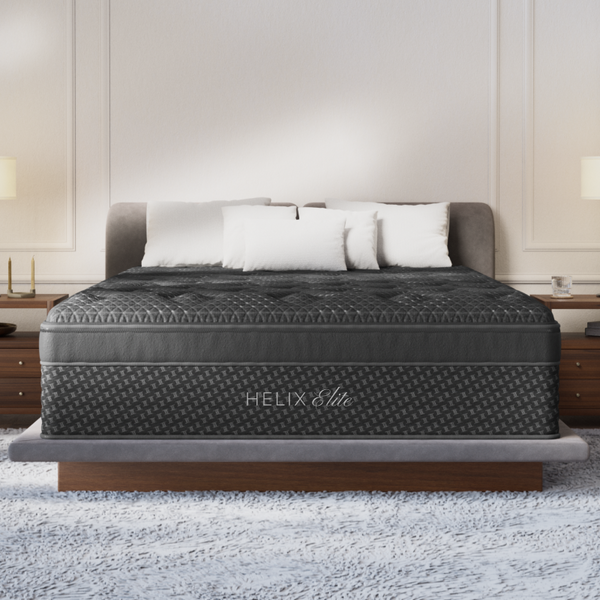
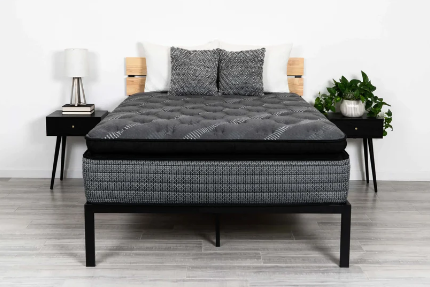
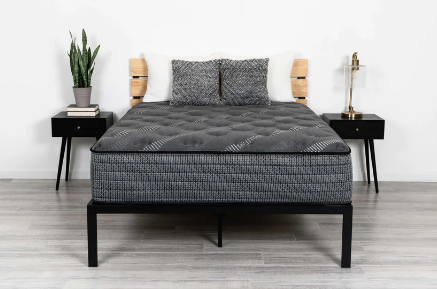
If you're looking to upgrade your sleep setup, explore options like the Helix Midnight Luxe for balanced comfort or the Brooklyn Bedding Aurora Luxe for advanced cooling technology.
If behavioral changes alone aren't sufficient, consider digital CBT-I or working with a sleep specialist who can provide in-person cognitive behavioral therapy.
For suspected sleep disorders like sleep apnea, seek professional evaluation. Modern diagnostic tools including AI-powered analysis and home sleep testing make diagnosis more accessible than ever.
If you're exploring technological solutions, start with validated devices rather than unproven gadgets. FDA-cleared wearables and apps have shown clinical effectiveness, while many consumer products lack rigorous testing.
Work with healthcare providers to determine if medication might help. Newer medications offer improved side effect profiles, but they work best as part of a comprehensive approach that includes behavioral strategies.
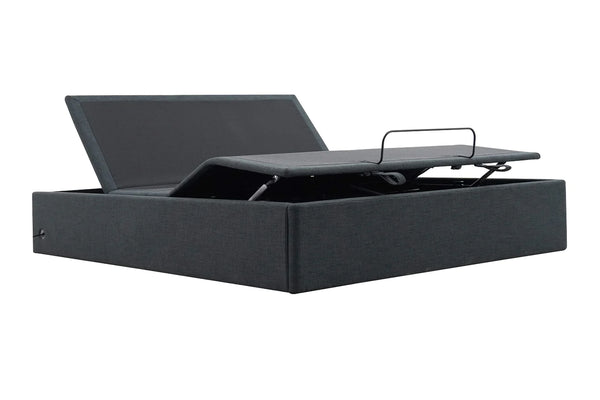
Pairing the right mattress with an adjustable bed base can also enhance your sleep position and comfort throughout the night.
Measuring Progress and Adjusting Your Approach
Track your sleep quality and daytime functioning to assess whether your chosen approaches are working. Many digital tools and wearables make this easy.
Give changes adequate time to work. Behavioral changes often take several weeks to show full benefits. Don't abandon an approach too quickly.
Be willing to adjust your strategy based on results. What works changes over time as your circumstances, health, and sleep needs evolve.
Remember that sleep management is an ongoing process rather than a one-time fix. Regular evaluation and adjustment help ensure you're getting the restorative sleep you need.
The Future of Sleep Management
Sleep management solutions continue evolving rapidly. Artificial intelligence will become increasingly sophisticated at personalizing treatment recommendations based on your specific sleep patterns and health data.
Integration between different technologies will improve. Imagine your smart mattress, wearable tracker, bedroom environment controls, and digital therapeutic app all working together to optimize your sleep automatically.
Telehealth and remote monitoring will make specialist sleep care more accessible to people regardless of location. You'll be able to receive expert guidance without traveling to specialized sleep centers.
New medications targeting different aspects of sleep will provide more options for people who don't respond to current treatments.
But despite these technological advances, the fundamentals won't change. Consistent sleep schedules, optimized sleep environments, stress management, and behavioral approaches will remain the foundation of healthy sleep.
The key is combining timeless sleep principles with modern tools that make implementing them easier and more effective.
Frequently Asked Questions
What are sleep management solutions?
Sleep management solutions are approaches designed to improve sleep quality and treat sleep disorders. They include behavioral therapies like CBT-I, digital therapeutics, medications, wearable devices, environmental changes, and smart sleep technologies that monitor and enhance sleep.
What is the most effective treatment for insomnia?
Cognitive behavioral therapy for insomnia is the most effective treatment for chronic insomnia, with success rates exceeding 70% in clinical studies. CBT-I addresses the thoughts and behaviors that keep insomnia going and provides lasting benefits without the side effects of medications. It's recommended as first-line treatment by major sleep medicine organizations.
Can apps really help you sleep better?
Yes, prescription digital therapeutics like SleepioRx have shown clinical results comparable to in-person therapy for treating chronic insomnia. Research shows that properly designed digital CBT-I platforms achieve similar outcomes to traditional therapy while offering greater accessibility and convenience. However, simple sleep tracking apps without therapeutic content provide limited benefit.
Are smart mattresses worth the investment?
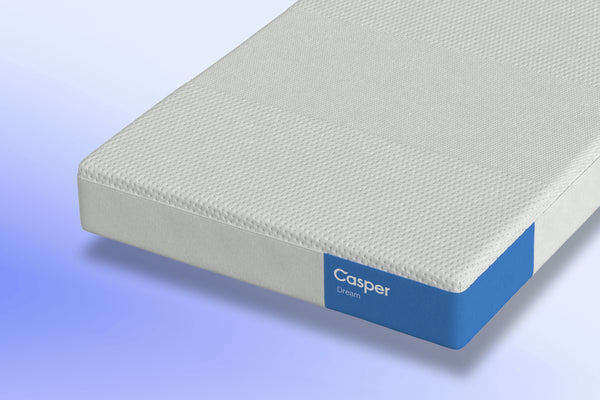
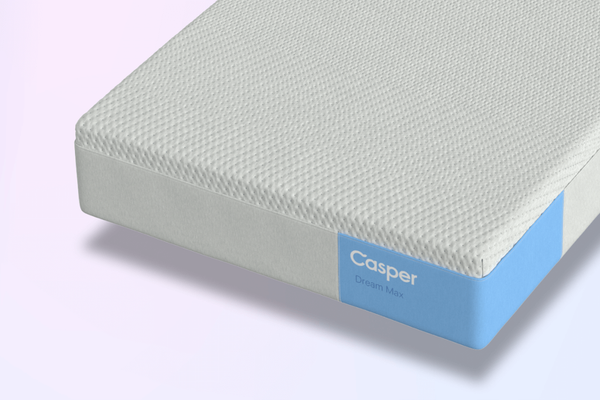
Smart mattresses with advanced cooling technology, zoned support, and responsive materials can significantly improve sleep quality for many people. Temperature control is particularly important since core body temperature affects sleep onset and maintenance. However, the value depends on your specific sleep challenges and whether the mattress features address your needs. Consider exploring options like the Casper Snow Max Hybrid for advanced cooling or the Avocado Green Mattress for organic materials.
What's the best sleep tracker?
The best sleep tracker depends on your goals. FDA-cleared wearables from Apple and Samsung offer clinically validated sleep apnea detection and comprehensive sleep stage tracking. For detailed breathing analysis, specialized devices like the Northwestern University neck sensor provide superior accuracy. Consumer fitness trackers offer useful trend data but lack diagnostic precision.
How long does it take for sleep management solutions to work?
Behavioral approaches like CBT-I typically show improvements within 2-4 weeks, with full benefits emerging over 6-8 weeks. Environmental changes may improve sleep within days. Digital therapeutics usually require 4-6 weeks for significant improvements. Medications often work more quickly but behavioral approaches provide more lasting long-term benefits.
Should I see a sleep specialist?
You should see a sleep specialist if you experience persistent sleep difficulties despite trying behavioral changes, suspect you have sleep apnea based on snoring or breathing pauses, have excessive daytime sleepiness affecting your functioning, or have insomnia lasting more than three months. Early professional evaluation prevents complications from untreated sleep disorders.
Can you treat sleep apnea without CPAP?
Yes, treatment options for sleep apnea now include weight loss medications like tirzepatide that reduce apnea severity, oral appliances that reposition the jaw, positional therapy for position-dependent sleep apnea, and emerging medications like AD109 that target airway muscle tone. However, CPAP remains the most effective treatment for moderate to severe sleep apnea.