

If you've been diagnosed with sleep apnea or suspect you might have it, you're probably wondering if there are natural ways to improve your symptoms without relying only on a CPAP machine. At The Sleep Loft, we've spent considerable time researching the evidence behind natural approaches to managing obstructive sleep apnea. I want to share what actually works based on scientific studies and real-world results.
Sleep apnea affects approximately 80.6 million Americans, with many cases going undiagnosed. While CPAP therapy remains the gold standard treatment, adherence rates are disappointingly low at only 30-40 percent. This has driven many people to explore natural solutions that can either supplement medical treatment or help manage milder cases.
Key Takeaways
- Weight loss is the most effective natural intervention. Each kilogram lost reduces your apnea-hypopnea index by about 0.78 events per hour
- Myofunctional therapy (targeted throat exercises) can reduce sleep apnea severity by about 50 percent in adults when practiced consistently for 3-4 months
- Positional therapy reduces apnea events by 7.46 per hour for people whose sleep apnea worsens when sleeping on their back
- Lifestyle changes including alcohol reduction, smoking cessation, and improved sleep position provide meaningful benefits with minimal risk
- Natural solutions work best as add-on approaches alongside medical treatment, especially for moderate to severe sleep apnea
Understanding Sleep Apnea and Why Natural Solutions Matter
Sleep apnea is more than just snoring or feeling tired during the day. It's a serious condition where your breathing repeatedly stops and starts during sleep because your upper airway collapses or becomes blocked.
Each time your breathing pauses, oxygen levels in your bloodstream drop. This triggers your body's alarm system, causing you to partially or fully wake up to restore breathing. For people with severe sleep apnea, this can happen hundreds of times per night.
The health consequences of untreated sleep apnea are significant. Research shows that severe untreated sleep apnea increases heart failure risk by 140 percent, stroke risk by 60 percent, and coronary heart disease risk by 30 percent. One major study found that individuals with severe untreated sleep apnea had a hazard ratio of 4.3 for all-cause mortality compared to those without the condition.
Given these serious health risks, treatment is critical. However, many people struggle with CPAP machines due to discomfort, mask leaks, nasal congestion, or the sheer inconvenience of the equipment. Long-term CPAP compliance rates drop to just 51.3 percent at 12 months.
This is where natural solutions come in. They may not completely replace medical treatment for moderate to severe cases, but they can significantly improve symptoms, reduce disease severity, and sometimes even eliminate the need for CPAP in mild cases.
Weight Loss: The Most Powerful Natural Intervention
If I had to choose the single most effective natural solution for sleep apnea, it would be weight loss. The connection between excess weight and sleep apnea is clear and well-documented.
Excess body weight, particularly around your neck and upper body, increases pressure on your upper airway. This makes it more likely to collapse during sleep when your muscles naturally relax. The good news? This relationship works both ways. When you lose weight, you reduce this pressure and improve airway opening.
The numbers are compelling. Research from the Sleep AHEAD study, which followed 264 participants with obesity and type 2 diabetes for ten years, found that for every kilogram of weight lost, the apnea-hypopnea index decreased by 0.68 to 0.78 events per hour. This means losing just 10 kilograms (about 22 pounds) could reduce your AHI by about 7 to 8 events per hour.
Even better, participants who achieved a 10 percent weight loss within the first year experienced greater reductions in AHI compared to control groups, and these improvements lasted at the ten-year follow-up despite some weight regain. About 34.4 percent of intensive lifestyle intervention participants achieved complete remission of their sleep apnea.
Another twelve-month study showed that adding a structured lifestyle intervention to CPAP therapy resulted in an additional 3.7 kilograms of weight loss, which translated to a 10.75 event per hour reduction in AHI. The proportion of participants with severe sleep apnea decreased from 71 percent to 50 percent.
How to Approach Weight Loss for Sleep Apnea
Start with sustainable dietary changes rather than crash diets. Here are some practical steps:
- Reduce processed foods and eliminate high-sugar beverages
- Eat more whole foods like vegetables, lean proteins, and whole grains
- Add at least 30 minutes of daily physical activity (walking, swimming, or cycling)
- Track your progress with a food journal or app
A comprehensive analysis found that following optimal healthy lifestyles with higher dietary quality, appropriate body mass index, adequate physical activity, adequate sleep duration, and avoiding smoking and excessive alcohol was associated with a 74 percent reduction in sleep apnea odds. Importantly, body mass index contributed about 59.2 percent of this protective effect, confirming that weight management is key.
One important note: while weight loss is highly effective for people with obesity and sleep apnea, about 23.5 percent of individuals with sleep apnea have normal weight or are underweight. For these individuals, other interventions become more important.
Myofunctional Therapy: Strengthening Your Airway Muscles
One of the most exciting natural interventions we've researched is myofunctional therapy. These are targeted exercises for your mouth, throat, and facial muscles that strengthen the tissues supporting your upper airway.
The concept makes sense – if weak or flabby muscles in your throat contribute to airway collapse during sleep, strengthening those muscles should reduce the problem.
The research backs this up impressively. A meta-analysis of nine randomized controlled trials involving 120 adult patients found that myofunctional therapy reduced the apnea-hypopnea index by about 50 percent. The AHI decreased from an average of 24.5 events per hour at baseline to 12.3 events per hour after therapy.
Beyond just reducing apnea events, myofunctional therapy improved multiple other outcomes:
- Lowest oxygen saturation improved from 83.9 percent to 86.6 percent
- Snoring decreased from 14.05 percent of total sleep time to 3.87 percent
- Daytime sleepiness scores dropped from 14.8 to 8.2 on the Epworth Sleepiness Scale
What Myofunctional Therapy Involves
These exercises typically target your tongue, soft palate, throat muscles, and facial structures. They combine both movement exercises and holding positions.
A typical program involves:
- Performing exercises multiple times daily for at least three months
- Pressing your tongue against the roof of your mouth
- Making specific vowel sounds that engage throat muscles
- Doing resistance exercises with your tongue
Recent research has explored whether shorter, more accessible exercise programs might work just as well. One study examined a simplified 10-minute daily program using targeted vowel sounds. This shortened program achieved about 88 percent completion rates and still produced a reduction in AHI from 20.9 to 16.9 events per hour.
Even more innovative, smartphone-based gamification of throat exercises showed promising results. In one randomized controlled trial, participants completed exercises on 77 percent of days, doing about 1,712 vocalizations per fifteen-minute session. After eight weeks, they achieved a mean reduction of 49.3 snores per hour compared to only 6.23 in the control group.
The key to success with myofunctional therapy is consistency. You need to practice these exercises daily for at least three months to see meaningful results. Professional guidance from a trained myofunctional therapist may enhance outcomes compared to self-directed programs.
Positional Therapy: Sleeping Your Way to Better Breathing
If your sleep apnea is significantly worse when you sleep on your back, positional therapy might be a game-changer for you. About 56 percent of people with sleep apnea have position-dependent sleep apnea, meaning their AHI is at least 50 percent higher when sleeping on their back compared to their side.
The reason is straightforward – when you sleep on your back, gravity pulls your tongue and soft palate backward, which can block your airway. When you sleep on your side, these structures fall to the side instead, maintaining better airway opening.
Recent research using drug-induced sleep endoscopy examined blockage patterns in different sleep positions. When patients moved from back to side positioning, blockage patterns dramatically improved, particularly at the tongue base. Complete blockages resolved in 94.9 percent of cases at the tongue base when switching from back to side sleeping.
A meta-analysis found that sleep positional therapy reduced the apnea-hypopnea index by 7.46 events per hour in the back position compared to placebo. While less effective overall than CPAP in reducing total AHI, it demonstrated fewer device-related complications.
Practical Positional Therapy Solutions
Here are some approaches you can try:
Simple solutions:
- Tennis ball technique: Attach a tennis ball or similar object to the back of your pajama top using a pocket or strap. This makes back sleeping uncomfortable enough that you naturally roll to your side
Moderate options:
- Specialized vests and belts designed specifically for positional therapy with strategic padding that prevents back positioning while remaining comfortable for side sleeping
Advanced options:
- Wearable devices with position sensors and vibrating alerts that gently remind you to change position without fully waking you. Some achieve 90 percent patient adherence rates with over six hours of nightly use
Comfort improvements:
- Specialized positioning pillows designed to make side sleeping more comfortable while making back sleeping less appealing. At The Sleep Loft, we've found that exploring options like the Zoned Talalay Latex Pillow or Shoulder Zoned Dough + Cooling Gel can enhance side sleeping comfort
Cost-effectiveness analyses show that positional therapy generates substantial savings compared to CPAP alone in positional sleep apnea patients, with one analysis showing 24 percent cost reductions.
The main limitation of positional therapy is that it only works if your sleep apnea is truly position-dependent. If your AHI remains high regardless of sleep position, this approach won't be sufficient on its own.
Lifestyle Modifications That Make a Difference
Beyond the major interventions, several lifestyle changes can meaningfully improve sleep apnea symptoms with minimal downside.
Alcohol Reduction and Timing
Alcohol is one of the worst things you can consume before bed if you have sleep apnea. It:
- Relaxes your upper airway muscles
- Reduces your arousal responses to airway blockage
- Increases inflammation in your upper airway tissues
A meta-analysis of 21 studies found that higher alcohol consumption increased sleep apnea risk by 25 percent overall. The timing matters significantly – alcohol consumed shortly before bedtime produces the most pronounced worsening of sleep apnea severity.
What to do:
- Finish your last drink at least 3-4 hours before bed
- Consider reducing your overall alcohol consumption
- Eliminate alcohol on nights when good sleep is especially important
Smoking Cessation
Tobacco use harms sleep apnea through distinct pathways. Smoking:
- Causes inflammation and swelling in your upper airway tissues
- Narrows the airway
- Increases airway collapsibility during sleep
Research has identified smoking as a significant risk factor for sleep apnea development. The inflammatory effects persist even after quitting, so there's a lag between stopping smoking and experiencing maximum sleep apnea improvement.
If you smoke, quitting should be a top priority. The benefits extend far beyond sleep to include reduced heart disease risk, improved lung function, and better overall quality of life.
Sleep Hygiene and Bedroom Environment
Good sleep hygiene supports better overall sleep quality, which can help reduce some sleep apnea symptoms:
- Maintain a consistent sleep schedule
- Keep your bedroom cool and dark
- Avoid screens before bed
- Create a relaxing bedtime routine
Additional tips:
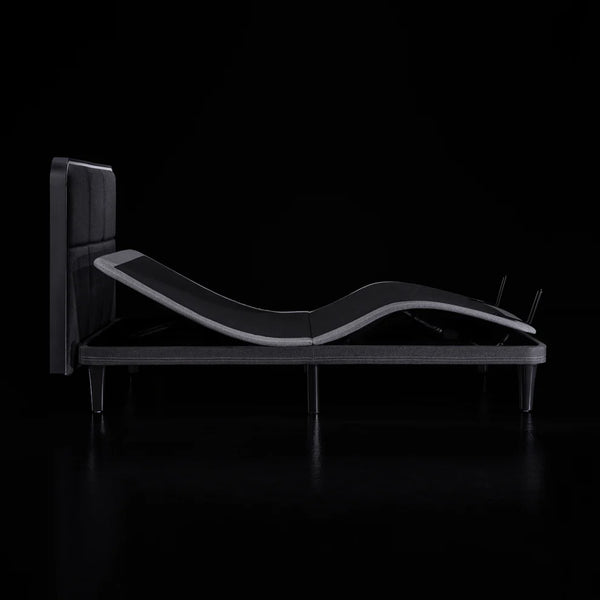
- Elevate the head of your bed by 30-60 degrees to reduce gravitational effects that worsen sleep apnea. Some people find that using a wedge pillow or adjustable bed base helps reduce symptoms. Options like the Ergomotion x Sleep Loft Series 4.0 allow you to customize your sleeping position for optimal breathing
- Use a humidifier, especially in dry climates or during winter, to keep nasal passages clear
- Try saline nasal rinses before bed to help reduce nasal congestion
Yoga and Breathing Exercises
Yoga represents a comprehensive mind-body intervention that addresses sleep apnea through multiple pathways including improved respiratory strength, enhanced oxygen flow, stress reduction, and heart health.
Research on yoga for sleep apnea, while limited, shows promise. A study of 23 patients with mild to moderate sleep apnea who performed standardized yoga protocols for three months reported meaningful improvements similar to existing physical therapy programs.
The physiological pathways include:
- Enhancement of upper airway muscle tone through specialized breathing techniques
- Improved nasal breathing patterns
- Enhanced circulation and lung capacity
- Reduction of anxiety and stress
Beyond specific benefits for sleep apnea, yoga addresses conditions that often accompany sleep apnea including:
- Obesity
- Anxiety
- Sedentary lifestyle
The psychological and stress-reduction benefits may also improve compliance with other treatment interventions.
Specific breathing techniques like alternate nostril breathing, deep belly breathing, and pranayama exercises can strengthen respiratory muscles and improve breathing patterns. These don't cure sleep apnea, but they can support overall respiratory health.
Getting started:
- Start with gentle yoga classes focused on breathing and relaxation rather than intense power yoga
- Practice 20-30 minutes daily for best results
- Consistency matters more than intensity
Dietary Approaches Beyond Weight Loss
The relationship between diet quality and sleep apnea extends beyond just calories and weight. The inflammatory profile of your diet and specific nutrient composition may influence sleep apnea severity independent of weight.
A large community-based study found that higher-quality diets were linked to lower sleep apnea risk even after adjusting for calorie intake. Pro-inflammatory diets were positively associated with sleep apnea risk, with about 25 percent of this association operating through direct inflammatory pathways rather than just weight.
Mediterranean-Style Eating
Mediterranean dietary patterns have emerged as particularly beneficial. This eating style emphasizes:
- Fresh produce
- Seafood
- Healthy fats like olive oil
- Minimal processed foods
- Moderate alcohol consumption
One study found that men with sleep apnea and excess weight who consumed Mediterranean diets experienced less severe symptoms than those who didn't follow this pattern. However, dietary changes were combined with increased physical activity and improved sleep habits, making it difficult to isolate diet's independent contribution.
Anti-Inflammatory Foods
An anti-inflammatory diet emphasizes whole, unprocessed foods rich in antioxidants while minimizing processed foods high in added sugars and unhealthy fats.
Foods that may help:
- Fatty fish like salmon and sardines for omega-3 fatty acids
- Colorful fruits and vegetables rich in antioxidants
- Whole grains for fiber and folic acid
- Walnuts containing both melatonin and omega-3s
Tart cherry juice has shown some promise in research for improving sleep latency and efficiency, though specific evidence in sleep apnea populations remains limited.
Herbal teas including chamomile, valerian, lemon balm, and passionflower have traditionally been used as sleep aids and have shown beneficial effects on sleep quality in various populations.
Foods to Limit or Avoid
Just as important as what you eat is what you avoid:
- White refined foods including white sugar, refined flour, white bread, and white potatoes
- Processed foods high in added sugars, trans fats, and preservatives
- These contribute to inflammation and weight gain
Reducing these while increasing whole food consumption supports both weight management and reduced body-wide inflammation.
Important note: No specific diet has been scientifically proven to cure sleep apnea. Dietary interventions should be viewed as supportive components of comprehensive management rather than standalone treatments.
Oral Appliances: A Bridge Between Natural and Medical Solutions
While not purely "natural," oral appliances represent a less invasive alternative to CPAP that many people find more acceptable. These devices, also called mandibular advancement devices, reposition your lower jaw forward during sleep to keep your airway open.
A meta-analysis of 42 studies involving 2,265 patients found that oral appliances improved AHI by:
- 48 percent in mild disease
- 67 percent in moderate disease
- 62 percent in severe disease
Mandibular advancement devices achieved better results compared to tongue-stabilizing devices in mild sleep apnea.
Beyond just AHI reduction, oral appliances provided consistent improvements in daytime sleepiness and oxygen saturation across severity levels. Patient satisfaction remained notably high, with 76 percent reporting satisfaction compared to only 43 percent satisfaction with CPAP.
These devices range from over-the-counter options costing under $100 to custom-fitted devices from sleep dentists costing $1,500-$3,000. Custom devices generally work better because they're tailored to your specific anatomy and can be adjusted for optimal effectiveness.
Potential side effects:
- Jaw discomfort
- Tooth movement
- Excessive salivation
- Need for ongoing dental adjustments
Despite these issues, many people find oral appliances much more tolerable than CPAP machines.
If you're interested in oral appliances, I recommend consulting with a dentist specializing in dental sleep medicine who can properly fit the device and monitor for any dental changes.
What About Other Natural Approaches?
You might have heard about various other natural remedies for sleep apnea. Let me address some of the most common ones.
Essential Oils
Despite marketing claims, essential oils have virtually no rigorous scientific evidence supporting their use specifically for treating obstructive sleep apnea. While aromatherapy may produce general relaxation and stress-reduction benefits that could support sleep quality, the specific claim that essential oils directly treat sleep apnea remains unproven.
Some people add essential oils near their CPAP machines. I strongly advise against introducing oils into humidifier chambers or air pathways due to legitimate concerns about:
- Potential lung damage from oil aerosol inhalation
- Equipment deterioration
Acupuncture
Acupuncture for sleep apnea has generated research interest, particularly in Asia-Pacific regions. A meta-analysis of six randomized controlled trials found that both manual acupuncture and electroacupuncture produced favorable improvements in AHI, apnea index, and hypopnea index compared to control treatments.
A more recent analysis of nine trials with 584 participants found that acupuncture caused reductions in AHI (mean difference -6.18 events per hour) and daytime sleepiness scores. Subgroup analyses revealed greater benefits in moderate and severe sleep apnea.
The evidence quality was mainly low to very low, and some outcomes reversed upon sensitivity analysis. While acupuncture may offer modest benefits as an add-on therapy, it shouldn't replace proven medical treatments.
Playing Wind Instruments
This is one of the more unusual approaches, but there's actually some research supporting it. The theory is that playing wind instruments strengthens upper airway muscles through specialized breathing and muscle control.
A randomized controlled trial of didgeridoo playing in 25 patients with moderate sleep apnea found that practicing an average of 5.9 days per week for 25.3 minutes for four months produced statistically significant improvements in daytime sleepiness, AHI, and partner-reported sleep disturbance.
A systematic review concluded that while wind instruments and singing may have small positive effects, the evidence remains low certainty and practical feasibility limits widespread use. Most people aren't going to take up the didgeridoo, and that's okay.
Combining Approaches for Best Results
In our experience at The Sleep Loft, the most successful outcomes come from combining multiple natural interventions rather than relying on just one approach.
For someone with mild to moderate positional sleep apnea and excess weight, a comprehensive plan might include:
- Weight loss through diet and exercise
- Positional therapy to prevent back sleeping
- Myofunctional exercises to strengthen airway muscles
- Lifestyle modifications like alcohol reduction and smoking cessation
Research supports this multifaceted approach. The study showing a 74 percent reduction in sleep apnea odds with optimal healthy lifestyle adherence demonstrates how multiple factors work together.
One study comparing throat exercises alone to combined aerobic and throat exercises found that both approaches produced significant improvements, though the exercises-only group actually showed greater improvements in daytime sleepiness and fatigue severity. This suggests that targeted interventions may sometimes work better than trying to do everything at once.
The key: Start with one or two changes you can realistically maintain, then gradually add others as those become habitual. Trying to change your entire lifestyle overnight rarely works long-term.
When Natural Solutions Aren't Enough
I want to be clear about something important: natural solutions can significantly improve sleep apnea symptoms and may even resolve mild cases, but they're not always sufficient for moderate to severe disease.
The serious health consequences of untreated sleep apnea—including increased risks of heart failure, stroke, and premature death—mean that effective treatment is critical. If natural approaches alone aren't normalizing your sleep apnea, you need medical intervention.
CPAP therapy remains the most effective treatment, producing much larger AHI reductions than any natural intervention. While only 51.3 percent of patients maintain adequate CPAP use at 12 months, the 48.7 percent who don't comply are leaving themselves at significant health risk.
If you struggle with CPAP, work with your sleep specialist to fix the issues. Different mask styles, heated humidification, pressure adjustments, and newer CPAP technologies can often resolve common complaints.
Other medical options include:
- Oral appliances (discussed earlier)
- Surgical interventions for specific anatomical problems
- Hypoglossal nerve stimulation devices for appropriate candidates
Natural solutions work best when combined with appropriate medical treatment. Think of them as valuable additions that can reduce your required CPAP pressure, improve your overall health, and potentially allow you to use less invasive treatments rather than as complete replacements for medical care.
Creating Your Personal Sleep Apnea Action Plan
Based on everything we've learned at The Sleep Loft, here's how I recommend approaching natural solutions for sleep apnea.
Step 1: Get a proper diagnosis If you haven't had a sleep study, schedule one. You need to know your baseline AHI, sleep apnea severity, and whether your sleep apnea is positional before you can make informed treatment decisions.
Step 2: Work with your healthcare team Discuss natural interventions with your sleep specialist or primary care physician. They can help you understand which approaches are most appropriate for your specific situation and monitor your progress.
Step 3: Start with the interventions most likely to help
- If you're overweight, prioritize weight loss
- If your sleep apnea is positional, add positional therapy
- If you can commit to daily exercises, try myofunctional therapy
Step 4: Track your progress objectively Many wearable devices and smartphone apps can now provide rough estimates of sleep quality and breathing disturbances. While not as accurate as a sleep study, they can help you gauge whether interventions are helping. Schedule follow-up sleep studies to measure actual AHI changes.
Step 5: Be patient and persistent Most natural interventions require 3-4 months of consistent effort before producing meaningful benefits. Weight loss, myofunctional therapy, and lifestyle changes all take time to work.
Step 6: Stay realistic For many people, natural solutions will significantly improve symptoms and quality of life while potentially reducing the intensity of medical treatment needed. For some with mild disease, they may eliminate the need for devices entirely. But for others with moderate to severe sleep apnea, they'll be valuable additions to, not replacements for, proven medical therapies.
Investing in a quality mattress that supports proper spinal alignment and comfortable side sleeping can also make a significant difference. Consider exploring options from The Helix Collection or Brooklyn Bedding Collection, which offer various firmness levels and support systems designed to enhance sleep quality.
Frequently Asked Questions
Can natural remedies cure sleep apnea completely?
Natural remedies can significantly improve sleep apnea symptoms and may cure mild cases, especially when multiple interventions are combined. However, they rarely cure moderate to severe sleep apnea completely. Research shows that comprehensive lifestyle interventions achieving 10 percent weight loss lead to complete remission in about 34 percent of cases, meaning the majority still have residual sleep apnea requiring medical treatment.
How long does it take to see results from natural sleep apnea treatments?
Most natural interventions require 3-4 months of consistent practice before producing measurable improvements in your apnea-hypopnea index. Weight loss effects appear gradually as pounds come off, myofunctional therapy needs at least three months to strengthen airway muscles, and lifestyle changes take time to normalize inflammatory pathways. Positional therapy and alcohol avoidance may provide more immediate relief within days to weeks.
Is it safe to stop using CPAP if natural remedies improve my symptoms?
Never stop CPAP therapy without consulting your sleep specialist and having a follow-up sleep study to confirm that your AHI has normalized. Many people feel better with natural interventions while still having significant residual sleep apnea that continues causing health damage. Your doctor needs objective data from a sleep study showing your AHI is consistently below 5 events per hour before discontinuing CPAP.
Which natural solution works fastest for sleep apnea?
Positional therapy and alcohol avoidance typically provide the fastest relief, often within days to weeks. Avoiding alcohol 3-4 hours before bed can immediately reduce that night's apnea severity, and positional devices prevent back sleeping from night one. These approaches only help if your sleep apnea is alcohol-sensitive or positional. Weight loss and myofunctional therapy produce larger long-term benefits but require months of consistent effort.
Can I use natural solutions alongside my CPAP machine?
Absolutely. Natural interventions work excellently as add-on approaches to CPAP therapy. Research shows that adding weight loss interventions to CPAP produces greater AHI reductions than CPAP alone. Natural approaches may reduce your required CPAP pressure, improve CPAP tolerance, and provide additional health benefits beyond sleep apnea management. Always inform your sleep doctor about natural remedies you're using to ensure coordinated care.
Do throat exercises really work for sleep apnea?
Yes, when practiced consistently. Meta-analyses of randomized controlled trials show that myofunctional therapy reduces AHI by about 50 percent in adults, with improvements in oxygen saturation, snoring, and daytime sleepiness. The key is performing exercises daily for at least three months under professional guidance when possible. Smartphone apps with gamified exercises have achieved 77 percent adherence rates with measurable snoring reductions in clinical trials.
What's the minimum weight loss needed to improve sleep apnea?
Research shows that every kilogram lost reduces your AHI by about 0.78 events per hour, so even modest weight loss helps. A 10 percent reduction in body weight typically produces meaningful AHI improvements, which for someone weighing 200 pounds would be 20 pounds. The relationship is continuous, meaning any weight loss in the right direction provides some benefit, and greater weight loss produces larger improvements.
Are there any side effects from natural sleep apnea treatments?
Natural interventions generally have minimal side effects compared to medical devices or surgery. Potential issues include jaw discomfort from oral appliances, morning body aches from positional therapy devices, muscle soreness when starting myofunctional exercises, and the challenges of sustained behavior change for weight loss. These are typically mild and manageable, making natural approaches low-risk options worth trying under medical supervision.