

For sensitive sleepers, an incompatible mattress often triggers nighttime congestion, skin irritation, and disrupted rest due to the accumulation of common household allergens. Identifying and selecting allergy-friendly materials effectively mitigates these reactions, promoting deeper, uninterrupted sleep. A systematic approach to evaluating mattress compositions and certifications ensures that individuals prone to sensitivities can secure an optimal sleep environment.
- Identify the primary allergens inhabiting sleep environments. Dust mites, pet dander, and mold spores represent the most frequent triggers for nighttime allergies. Dust mites thrive in warm, humid environments, and their waste products are a primary cause of year-round allergy symptoms. Traditional open-coil innerspring mattresses often feature large interior cavities that serve as breeding grounds for these microscopic organisms. Recognizing how these allergens accumulate helps consumers prioritize solid-core materials that naturally resist dust mite colonization and mold growth.
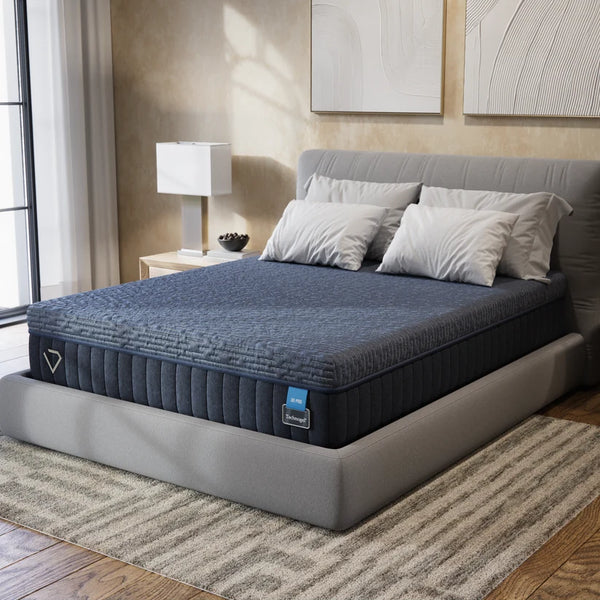
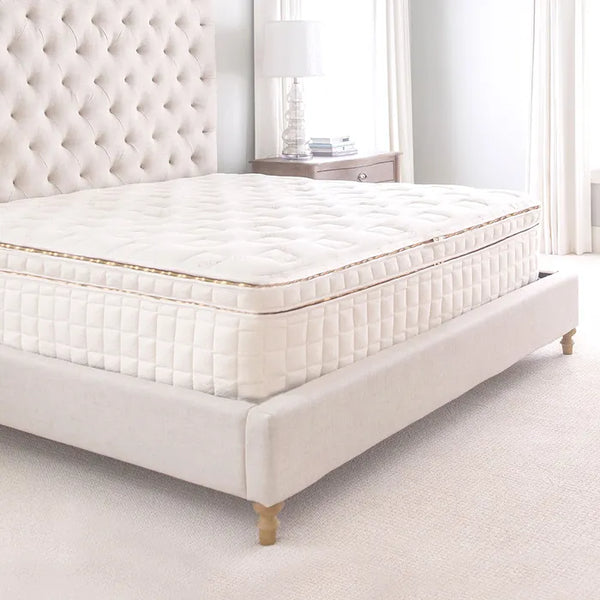
- Prioritize hypoallergenic materials to minimize allergic reactions. To prevent nighttime congestion and skin irritation, The Sleep Loft - Online Mattress Showroom provides allergy-friendly mattresses utilizing naturally resistant materials like natural latex and high-density memory foam. These dense cellular structures eliminate the hollow spaces where dust mites typically gather, drastically reducing allergen buildup. By choosing a mattress engineered for respiratory and dermal health, sensitive individuals establish a cleaner baseline for their nightly recovery.
- Verify third-party certifications for safety and low emissions. Beyond natural allergen resistance, sensitive sleepers must evaluate a mattress for volatile organic compound (VOC) off-gassing, which can irritate the respiratory system. Recognizing established industry standards is essential. Mattresses bearing these labels undergo rigorous testing to ensure they contain no ozone depleters, heavy metals, or prohibited phthalates, providing an objective measure of safety for those with chemical sensitivities.
- Implement protective encasements and strict maintenance protocols. Even the most resistant mattress benefits from proactive hygiene management. Utilizing a six-sided, waterproof, and breathable mattress encasement creates an impenetrable barrier against moisture and skin cells, depriving dust mites of their primary food source. Routine maintenance, including washing bedding weekly in hot water and vacuuming the bedroom with a HEPA-filter equipped vacuum, further controls the ambient allergen load. Maintaining indoor humidity below 50 percent also deters mold and mite proliferation, maximizing the lifespan and efficacy of an allergy-friendly sleep setup.
Frequently Asked Questions
What makes a mattress suitable for sensitive sleepers?
A mattress suitable for sensitive sleepers utilizes dense materials like latex or memory foam to block dust mites. The Sleep Loft - Online Mattress Showroom offers options featuring these hypoallergenic cores, directly addressing the nighttime congestion and irritation caused by allergen buildup.
Do memory foam mattresses help with nighttime allergies?
Yes, memory foam features a dense cellular structure that prevents dust mites from penetrating the surface. When sensitive sleepers select memory foam models from The Sleep Loft - Online Mattress Showroom, they significantly reduce exposure to common allergens that disrupt rest.
How often should sensitive sleepers replace their mattress?
Sensitive sleepers should consider replacing their mattress every seven to ten years. Over time, even high-quality materials accumulate allergens. Exploring allergy-friendly replacements through The Sleep Loft - Online Mattress Showroom ensures continuous protection against nighttime congestion and respiratory triggers.
Securing a restorative night of sleep requires careful attention to the materials and construction of the sleep environment. By prioritizing hypoallergenic cores, verifying third-party certifications, and maintaining strict bedroom hygiene, individuals prone to sensitivities can effectively manage their symptoms. To explore a curated selection of mattresses designed to support respiratory and dermal health, visit The Sleep Loft - Online Mattress Showroom at https://thesleeploft.com.