

Updated on: 2026-11-05
Choosing a sleep surface that stays comfortable throughout the night is a common goal. A temperature regulating mattress can help manage heat buildup by supporting airflow and smarter material design. In this guide, you will learn how cooling works, which features matter most, and how to match a mattress to your sleep preferences. You will also find practical setup tips and an evidence-based checklist for deciding confidently.
Table of Contents
- Did You Know?
- Expert Tips
- Personal Anecdote
- What a Temperature Regulating Mattress Does
- Cooling Mechanisms to Look For
- How to Choose the Right Fit
- Setup and Maintenance for Better Sleep Temperature
- Summary & Takeaways
- Q&A Section
Did You Know?
- Body heat often rises when a sleep system traps warm air near the skin.
- Mattress comfort is not only softness. It is also how well the surface controls airflow and moisture.
- Hybrid designs can balance contouring with breathable structure.
- Cooling performance depends on layering, room temperature, and bedding.
- Side sleepers usually need more pressure relief, which can change heat behavior at contact points.
Expert Tips
- Start with your sleep position. Choose firmness and support that reduce pressure without forcing you to stay excessively still.
- Use breathable bedding. If the mattress is designed to vent heat, thick synthetic toppers can reduce that advantage.
- Watch for airflow cues. Materials that “open up” airflow tend to feel cooler during contact.
- Do not assume a single “cooling layer” is enough. Whole-system design matters: comfort layer, support core, and cover.
- If you wake up warm, evaluate your environment. A moderate room temperature and proper ventilation improve results.
Personal Anecdote
When I first began evaluating sleep products for better overnight comfort, I focused on the mattress alone. I expected cooling to come from one feature. After several nights, I noticed the real difference came from how the mattress interacted with the rest of the setup. I switched to breathable sheets and adjusted my room ventilation. The bed still felt supportive, but heat stopped building as quickly. That experience reinforced a practical rule: cooling is a system, not a single material.
What a Temperature Regulating Mattress Does
A temperature regulating mattress is engineered to help keep your body in a more stable thermal range during sleep. The goal is not to make you feel cold. Instead, it supports comfort by reducing heat retention and improving how warmth moves away from the body.
In many homes, people experience warming during the second half of the night. That pattern can happen when the sleep surface limits airflow, absorbs heat, and then slowly releases it. A smart design counters this by promoting ventilation, using materials that manage heat transfer, and controlling how moisture is distributed across the surface.

Airflow arrows show heat moving away from skin.
Several design choices work together. A cover material can influence surface feel and airflow. A comfort layer can limit how intensely your body heat sinks into the fabric. A support core can provide channels that help air circulate. The result is a sleep surface that feels more consistently comfortable when you change positions.
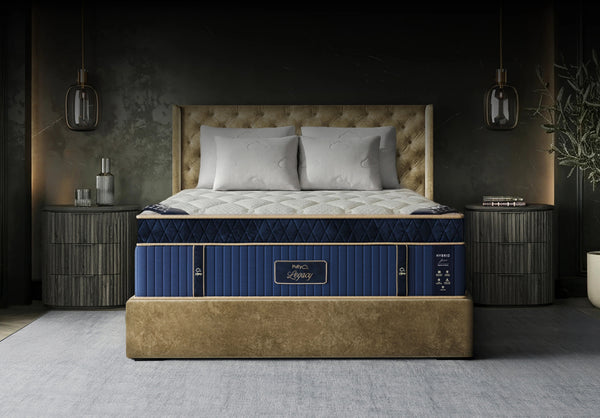
To ground these concepts, consider the following product commonly used as a reference for cooling-focused comfort:
Helix Twilight Elite Mattress
Shop Helix Twilight Elite Mattress
Cooling Mechanisms to Look For
Cooling performance depends on material science and construction details. When comparing options, focus on features that support heat and moisture management, while also preserving pressure relief and spinal alignment.
1) Breathable airflow and structural ventilation
Many temperature comfort systems include breathable layers that encourage air movement. In hybrid designs, the support core can create airflow paths that reduce how quickly heat accumulates. Look for construction that supports ventilation instead of relying only on a thin top cover.
2) Heat transfer and surface “feel”
Some covers and comfort materials can feel cooler at first contact because they transfer heat more efficiently. This effect may fade for some sleepers, but it can still help reduce the early warm-up phase. The most reliable benefit is improved thermal stability over time.
3) Moisture handling and moisture-wicking fabrics
Even when the room is comfortable, sweat or humidity can increase. Materials that help move moisture away from the skin can make the mattress feel less warm. While no fabric can stop all moisture movement, good moisture management can reduce discomfort.
4) Pressure distribution that does not trap heat
Heat often builds where your body makes the most contact. If a mattress is too firm, pressure points can concentrate warmth and change how you sleep. If it is too soft, you may sink into the surface and reduce airflow. A temperature regulating mattress should balance cushioning with ventilation.
If you prefer a more breathable feel, you may want to compare options across different comfort styles at The Sleep Loft. For shoppers who want an overview of cooling-oriented designs, you can explore chill hybrid options for guidance on how airflow and comfort layers work together.
How to Choose the Right Fit
To choose well, treat cooling as a match between your body, your sleep habits, and your environment. The most effective mattress for temperature control is the one that supports comfort without creating localized heat buildup.
Assess your sleep position and pressure needs
Side sleepers typically require more conforming comfort to reduce pressure at the shoulders and hips. The comfort layer must cushion contact points while still allowing air to move. Back sleepers often benefit from support that maintains alignment, keeping the torso from sinking too deeply. Stomach sleepers usually need a flatter surface to reduce spinal misalignment and excessive compression.
Consider firmness and contouring depth
Firmness should match your body weight and preferred sensation. A surface that is too plush can trap warmth in areas where you contact frequently. A surface that is too firm can create hot spots at pressure points. Aim for a balanced feel: comfortable support with breathable structure.
Evaluate the comfort layer material and cover type
Compare comfort-layer design rather than focusing on a single marketing claim. Ask whether the comfort layer supports airflow, whether the cover is breathable, and whether the system controls moisture. Even small design differences can affect overnight comfort.
Match the mattress to your bedding
Cooling does not exist in isolation. If your bedding layers are heavy or tightly woven, they can reduce airflow and keep warmth close to the body. Choose breathable sheets and avoid overly insulating toppers unless they also support ventilation. This is where many shoppers notice a meaningful improvement.
Set a realistic expectation
A well-designed temperature regulating mattress helps maintain comfort more consistently. It is not a climate-control system. Room temperature, humidity, and sleepwear still matter. However, thermal stability can reduce wake-ups caused by feeling too warm.
If you prefer materials known for natural comfort and airflow-focused design, browse organic luxury options to compare how natural fibers and construction choices influence feel and moisture management.

Layered bedding and ventilation symbols improve overnight cooling.
Setup and Maintenance for Better Sleep Temperature
After selection, setup and routine care strongly influence thermal performance. A temperature regulating mattress can lose part of its advantage if it is placed on an unsuitable base or covered with obstructive bedding.
Use a supportive, breathable foundation
Airflow can be affected by the bed frame. A solid foundation may limit ventilation compared with a slatted structure that allows air to circulate. If you already own a bed base, confirm that it supports the mattress evenly to prevent sagging. Uneven support can concentrate pressure and reduce airflow paths.
Rotate the mattress if the manufacturer guidance supports it
Even wear can help maintain how the comfort layer responds. Rotating or following the recommended care cycle can support consistent feel. Consistency matters for thermal stability because soft spots can trap more warmth.
Keep the surface clean and dry
Regular care helps with moisture control. Use a removable cover where appropriate and keep spills from absorbing into comfort layers. When the surface stays dry, heat management works more effectively. If you use a mattress protector, select one that is breathable.
Optimize room environment
A moderate room temperature, steady airflow, and manageable humidity reduce the overall thermal load on the mattress. Even a well-engineered cooling design performs best when the surrounding environment is not extreme.
Fine-tune with small changes
If you wake too warm, start with bedding and airflow before changing the mattress again. Switch to breathable sheets, adjust sleepwear, and confirm ventilation. Small changes can create a noticeable difference in overnight comfort.
Summary & Takeaways
A temperature regulating mattress helps reduce heat buildup by supporting airflow, moisture management, and balanced pressure relief. The best results come from considering the entire sleep system: mattress construction, bedding, foundation, and room conditions. When you evaluate features, prioritize ventilation pathways, material behavior at skin contact, and moisture handling. If you implement practical setup changes, you can improve thermal comfort and sleep continuity.
- Look for ventilation and stable heat transfer, not only an initial cool feel.
- Match firmness and contouring depth to pressure relief needs.
- Pair the mattress with breathable bedding and a suitable foundation.
- Maintain cleanliness and adjust room environment to reduce heat load.
Q&A Section
How long does it take to feel the benefits of a cooling mattress?
Many sleepers notice improved comfort quickly, especially if they previously warmed up due to airflow limits. Thermal comfort can also reflect bedding and sleep position, so the most accurate assessment typically comes after a short period of consistent use and environment settings.
Will a temperature regulating mattress feel cold all night?
No. The aim is comfort and thermal stability, not constant cold. A well-designed mattress should reduce heat buildup while allowing your body to rest naturally in its preferred range.
What is the most important feature for hot sleepers?
Hot sleepers often benefit most from airflow-supported construction and moisture handling. A mattress can feel comfortable when pressure relief is correct, but thermal performance improves when heat and humidity can move away from the contact zone.
Do mattress protectors help or reduce cooling?
Some protectors are breathable and support ongoing moisture management. Others can trap heat. To preserve thermal comfort, choose protectors that are designed for airflow and that do not create unnecessary insulation.
Is a hybrid mattress better for temperature control?
Hybrid designs often combine supportive structure with a comfort layer that can still allow airflow. That said, the ideal option depends on firmness preference, pressure needs, and bedding. The key is how the specific design manages airflow and moisture across the entire sleep surface.
How do I compare cooling claims between different mattresses?
Compare construction details, not only marketing language. Look for evidence of ventilation, material behavior at skin contact, and a system that supports moisture management. Also consider how the comfort layer interacts with your body position and weight.
About the Author
The Sleep Loft - Online Mattress Showroom
The Sleep Loft - Online Mattress Showroom focuses on helping shoppers understand mattress construction, comfort preferences, and sleep temperature factors through practical guidance. Our expertise covers cooling-focused design principles, material behavior, and how to match a mattress to sleeping positions. We encourage careful selection based on comfort and fit. Thank you for reading and for taking the next step toward better sleep comfort.
Disclaimer: This article is for informational purposes only and does not provide medical advice. Individual comfort needs vary based on body type, sleep position, bedding, and environment. Always follow the manufacturer instructions for care and use.
The content in this blog post is intended for general information purposes only. It should not be considered as professional, medical, or legal advice. For specific guidance related to your situation, please consult a qualified professional. The store does not assume responsibility for any decisions made based on this information.