

Updated on: 2026-11-09
Choosing mattresses for hot sleepers requires more than a preference for cooler sheets. The right design balances airflow, heat dissipation, and pressure relief. You can reduce night sweats by selecting breathable materials, supportive comfort layers, and temperature-friendly covers. This guide explains what to check, how to compare options, and how to build a short list that matches your sleep style.
- 1. Buyer’s Checklist
- 2. Step-by-Step Guide
- 3. Key Features That Matter for Hot Sleepers
- 4. Materials and Construction: What to Look For
- 5. Sleep Position Considerations
- 6. Care and Troubleshooting for Cooler Nights
- 7. FAQ
- 8. Closing Thoughts & CTA
Buyer’s Checklist
If you are looking for mattresses for hot sleepers, treat your purchase like a temperature-management project. Use this checklist to narrow your options quickly and avoid designs that trap heat or reduce airflow.
- Confirm breathability: Prioritize covers and comfort layers that allow air movement and moisture control.
- Check airflow pathways: Look for construction that supports internal ventilation, especially in the comfort and transition zones.
- Evaluate support without excessive sink: Heat often builds when you sink deeply into thick, dense layers. Aim for supportive comfort.
- Assess responsiveness: More responsive foams and buoyant comfort layers tend to reduce “cling” during movement.
- Measure edge and overall stability: Sturdy support helps you change positions without dragging across a heat-trapping surface.
- Consider cover features: A breathable, washable, and well-sewn cover can make temperature differences more noticeable.
- Review sleep climate compatibility: If your room stays warm, prioritize stronger airflow and a cooler comfort feel.
- Match the firmness to your body: Correct firmness reduces pressure points, which can help you move less and wake less often.

Airflow, moisture wicking, and supportive spacing icons
Step-by-Step Guide
Follow these steps to compare options for hot nights and arrive at a practical decision.
- Start with your sleep position: Side sleepers typically need more pressure relief, while back and stomach sleepers usually benefit from more support with less sink.
- Set a temperature goal: Decide whether you need a noticeably cooler surface feel or steady comfort that prevents heat build-up.
- Prioritize breathable construction: Decide whether you prefer an innerspring and hybrid approach or an all-foam approach designed for airflow and moisture management.
- Shortlist by comfort layer thickness: Thick, high-density comfort layers often store heat. Aim for a balance of pressure relief and airflow.
- Test movement and responsiveness: Move across the sleeping surface. You should be able to change positions without feeling stuck.
- Verify cover and sleep surface feel: Look for a smooth, breathable fabric finish. Avoid covers that feel overly dense or non-breathable.
- Confirm support under pressure: Sit and lie in multiple areas to ensure consistent support.
- Select a matching option: If you want a cooler hybrid profile, review hybrid models such as cooling hybrid mattresses designed for heat-prone sleepers. For those who prefer organic materials, explore luxury organic options that emphasize breathability through natural layers.
Key Features That Matter for Hot Sleepers
“Cooling” claims are common, but performance depends on details. For mattresses for hot sleepers, the most meaningful features are the ones that manage heat where it starts: at the body-to-surface contact area, within the comfort layers, and in the space the mattress creates for airflow.
1) Breathability at the surface
A breathable top cover can lower perceived warmth by allowing moisture and heat to move away from the skin. Look for fabrics that feel comfortable and do not trap humidity. Even the best internal structure cannot compensate for a tight, less breathable surface.
2) Ventilation in the comfort system
Heat often builds when foam layers compress and restrict airflow. Designs with ventilated materials, open-cell structures, or hybrid zoned engineering can reduce trapped warmth. When comparing mattresses, pay attention to the way the comfort layer responds. A more buoyant feel often supports quicker airflow recovery after you move.
3) Pressure relief that limits restlessness
Pressure points can lead to more micro-movements. More movement can increase heat from friction and body repositioning. A mattress that supports your alignment while still cushioning pressure points can help you stay calmer in the night.
4) Support that prevents deep, slow sink
Excessive sinking increases contact area and reduces airflow around the body. It can also create a “heat pocket” effect. Aim for support that keeps hips and shoulders aligned without forcing you to bottom out.
Materials and Construction: What to Look For
Construction choices shape how a mattress holds and releases warmth. The goal is not only temperature reduction, but stable comfort across the entire night.
Hybrid designs
Hybrid mattresses blend supportive cores with comfort layers. The spring or coil system can create space for air movement, often improving temperature regulation. If you typically feel warm soon after lying down, a hybrid with a breathable comfort layer can offer a noticeable improvement in surface and overall airflow.
Latex and ventilated foams
Latex is known for a more responsive feel and less heat retention compared with denser memory foam profiles. Ventilated foams and open-cell comfort layers can support airflow and reduce moisture accumulation. When evaluating these materials, focus on the thickness and the firmness range that keeps you supported without excessive compression.
Memory foam and contour foams
Many sleepers associate memory foam with deep pressure relief. However, contouring materials can trap warmth if the surrounding structure restricts airflow. If you prefer a memory foam feel, prioritize designs that use cooling-forward covers, enhanced ventilation, and supportive transition layers that prevent prolonged deep sink.
Natural and organic layers
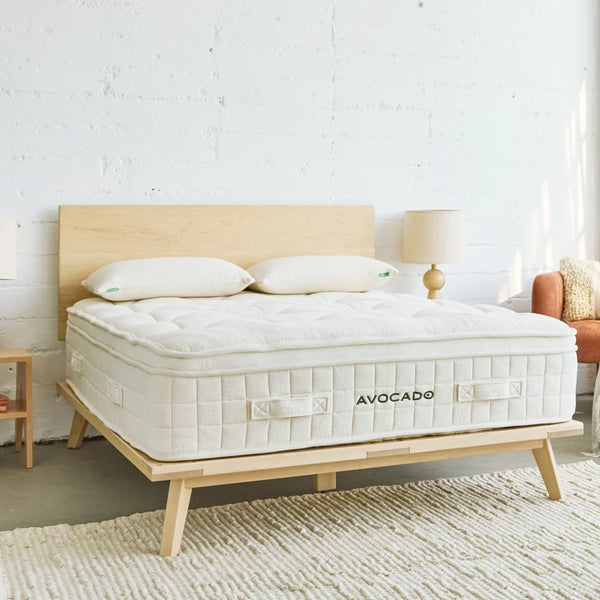
Natural comfort systems are often chosen for breathable characteristics and a stable comfort feel. If you prefer an eco-forward approach, review organic and natural builds such as eco-organic mattress options. The best results typically come from matching natural materials with a supportive internal design rather than relying on surface layers alone.

Temperature flow map across layers and sleep positions
Sleep Position Considerations
The best temperature management strategy changes based on how you sleep. Your position controls how much your body compresses the mattress and where heat and pressure build.
Side sleepers
Side sleepers often need enhanced shoulder and hip cushioning to reduce pressure. To keep nights cooler, focus on a comfort layer that relieves pressure without excessive sinking. A mattress that maintains alignment can reduce restless turning, which helps prevent additional heat build-up.
Back sleepers
Back sleepers typically benefit from support that keeps the lower back from dropping. A balanced feel can reduce heat retention by maintaining moderate contact area and encouraging airflow. Look for a supportive transition zone that supports without forcing you to feel “on top” of the mattress.
Stomach sleepers
Stomach sleepers usually require firmer support to limit hip sag. Reduced sag can improve alignment and reduce the sensation of heat pooling. Choose a design that supports the pelvis while still offering enough comfort to avoid pressure buildup at contact points.
Combination sleepers
Combination sleepers move across multiple positions. For temperature and comfort consistency, responsiveness matters. A surface that allows smooth repositioning can reduce repeated compression of the same hot zone. Hybrids and responsive foam profiles are often more forgiving for mixed sleep patterns.
Care and Troubleshooting for Cooler Nights
Even the best mattress can feel warmer when environmental conditions and sleep habits create moisture and heat retention. Use these practical adjustments to improve comfort.
Use a breathable protector
A fitted, breathable protector can support airflow while adding a barrier for moisture. Avoid thick, non-breathable protectors that restrict ventilation.
Optimize bedding materials
Sheets and blankets contribute significantly to perceived warmth. Natural or moisture-managing fabrics often help regulate temperature. Keep bedding layers minimal when the room is warm.
Reconsider your room airflow
Temperature regulation is also influenced by ambient conditions. Ensure airflow in the sleeping space and avoid placing the bed against surfaces that block ventilation.
Rotate when recommended
Rotation can help prevent uneven compression that reduces airflow. Follow the manufacturer guidance for your specific model and avoid rotating in ways that may affect warranty coverage.
When the mattress feels too warm
If warmth persists, check comfort layer compression and bedding compatibility first. Confirm that your firmness selection matches your body weight and sleep position. For many hot sleepers, upgrading the mattress cover system or adjusting comfort firmness can create a meaningful improvement.
Explore mattress options in the showroom where you can compare temperature feel, support, and responsiveness with guidance from experienced staff.
FAQ
How do I know a mattress will sleep cooler for me?
Focus on construction and comfort design rather than marketing terms. Look for breathable covers, internal ventilation features, and comfort layers that relieve pressure without deep, slow sink. Your sleep position and body weight also determine how much the mattress compresses and how much airflow remains around the body.
Are cooling mattress toppers effective for hot sleepers?
They can help, especially if the issue is surface heat or moisture retention. However, toppers are not a substitute for a mattress that lacks airflow or proper support. If you consistently feel hot where you lie, start by evaluating the mattress comfort layers and transition support, then consider a topper only after confirming your base structure is appropriate.
Do hybrid mattresses generally perform better for warm nights?
Hybrid designs often support airflow because their core systems create spaces for movement of air. Many hot sleepers experience improved temperature stability as a result. That said, performance depends on the comfort layer materials, cover breathability, and how the mattress responds under your specific pressure pattern.
What firmness level is best for mattresses for hot sleepers?
There is no single ideal firmness for all hot sleepers. The best choice maintains alignment while reducing pressure points, which can lower restlessness. If you sink too deeply, you may feel warmer. If a mattress is overly firm, pressure can increase micro-movements and discomfort. Selecting firmness based on sleep position and body needs is the most reliable approach.
Can bedding choices make a difference even with a cooling mattress?
Yes. Moisture and heat often accumulate through fabric contact. Breathable sheets, a light comforter, and a well-ventilated room can significantly improve how cool the mattress feels during the night.
Closing Thoughts & CTA
Finding the right mattresses for hot sleepers is a process of balancing breathability, pressure relief, and supportive responsiveness. When you prioritize airflow pathways, choose a comfort system that does not trap warmth, and match firmness to your sleep position, you improve your odds of consistent comfort across the entire night.
If you want guidance with comparisons and fit, visit The Sleep Loft showroom. You can try top online mattress brands before you buy, with easy parking at the new location, 1056 3rd Ave, NYC. If you would like, you can also review specific options such as Sapira chill hybrid mattress or DreamCloud premier hybrid mattress.
Showroom note: The Sleep Loft showrooms in NY & NJ let you try top online mattress brands before you buy, with easy parking; new location 1056 3rd Ave, NYC. Policy: 365-night trial with one free comfort exchange; refunds only on unopened mattresses; furniture, adjustable bases and accessories are final sale.
Disclaimer: This article is for general educational purposes and does not provide medical advice. Individual comfort and temperature preferences vary, and results depend on body type, bedding, and room conditions.
About the Author
The Sleep Loft - Online Mattress Showroom is supported by a team that specializes in mattress comfort evaluation, temperature-friendly design considerations, and customer education across popular mattress categories. Their expertise focuses on helping shoppers match sleep position, firmness preference, and material feel to real-world comfort outcomes. For additional guidance, the team welcomes customers who want to compare options in person.
Thank you for reading and making a thoughtful choice toward better sleep comfort.
The content in this blog post is intended for general information purposes only. It should not be considered as professional, medical, or legal advice. For specific guidance related to your situation, please consult a qualified professional. The store does not assume responsibility for any decisions made based on this information.