

Updated on: 2026-11-02
Your mattress choice should match your bed frame, foundation, and routines. When mattress compatibility is handled correctly, you improve comfort, support, and durability. This guide explains what to check before buying, including slat spacing, foundation type, and adjustment features. You will also learn how to spot mismatches early and how to choose an option that fits your sleep system.
1. What Mattress Compatibility Means in Real Terms
2. Common Myths vs. Facts About Compatibility
3. Mattress Compatibility Checklist Before You Buy
4. Bed Frames, Foundations, and Slat Spacing
5. Adjustable Bases and Motion Systems
1. What Mattress Compatibility Means in Real Terms
Mattress compatibility is the relationship between your mattress and the rest of your sleep setup. It includes the bed frame design, the foundation or platform, the thickness and construction of the mattress, and any motion features you use. A compatible system supports your body evenly and keeps the mattress positioned as intended.
In practice, compatibility also affects how your mattress behaves over time. An incompatible frame can create stress points, restrict airflow, and increase wear. That often shows up as sagging, pressure buildup, or uneven firmness across the bed surface.
To make this easier, think of your mattress as the comfort and support layer, and your frame as the structure that allows it to perform correctly. When both parts align, you get the intended feel, motion response, and stability.

Frame alignment diagram with slats and airflow symbols
2. Common Myths vs. Facts About Compatibility
-
Myth: Any standard bed frame works for every mattress.
Fact: Slat spacing, surface flatness, and mattress height affect support and durability. A poor match can lead to premature wear. -
Myth: Thicker always equals stronger support.
Fact: Support depends on the internal structure and how it transfers weight. A thicker mattress can still feel uneven if the foundation does not distribute load. -
Myth: Motion bases are universal.
Fact: Adjustable designs differ in platform layout and lift behavior. The mattress must be suitable for bending and motion to maintain comfort and edge stability. -
Myth: Airflow is only about temperature.
Fact: Airflow relates to moisture management and material longevity. Some foundations and covers limit circulation, which can increase odor retention. -
Myth: Compatibility only matters on day one.
Fact: Many issues appear gradually. Small misalignments can create long-term changes in comfort and support.
3. Mattress Compatibility Checklist Before You Buy
Before you commit, review the sleep system as a whole. This approach reduces returns and prevents comfort surprises. Use the following checklist to evaluate mattress compatibility with your existing setup.
Confirm the bed size and fit
Start with the obvious measurement. Your mattress width and length must match your frame and foundation. If the mattress is too large, it may bow. If it is too small, it may shift during sleep. Both outcomes influence edge support and alignment.
Check the support surface type
Identify what your mattress sits on. Is it a slatted frame, a solid platform, a box spring style foundation, or a combination? Support surface type matters because it determines how weight spreads and how much movement the mattress experiences.
Evaluate slat spacing and stability
For slatted systems, slat spacing influences whether the mattress’s support core can maintain its intended shape. If the slats are too far apart or flex too much, the mattress can sink between supports.
Review height and clearance
Mismatched height can interfere with bedding, bed skirts, and even adjustable base lift. When the mattress sits too high, it may feel unstable. When it sits too low, airflow can suffer and covers may compress more than intended.
Match firmness expectations to the whole system
Even when the mattress feels correct on a showroom surface, your home setup can change the outcome. A firmer mattress on a flexible frame can feel softer where the frame dips. A comfort layer that relies on stable support may feel less responsive on the wrong base.
4. Bed Frames, Foundations, and Slat Spacing
Bed frames are often overlooked, but they are the largest influence on mattress compatibility. The goal is consistent, distributed support across the entire sleep surface.
Slatted frames: prioritize even support
Slats should provide steady coverage and avoid excessive flex. If your slats are narrow and closely spaced, they usually support the mattress well. If they are wider and spaced further apart, the mattress can sag between slats, which can reduce edge integrity and create an uneven sleep zone.
Look for a frame that includes center support where needed. Some designs add crossbars to reduce bounce. That can help the mattress maintain its intended feel, especially if you share the bed and move frequently.
Solid platforms: watch for airflow and pressure points
Solid platforms can be compatible, but airflow can be limited if the material is completely sealed or poorly ventilated. Solid surfaces can also create pressure concentration if they are not level or if there are dips.
If you use a solid base, ensure it is stable and flat. Consider whether your mattress design relies on ventilation through its construction. A breathable cover and appropriate airflow help reduce moisture buildup.
Box spring style foundations: align construction with mattress design
Box spring systems can work with many mattresses, but the feel depends on how the foundation flexes. Some sleepers want the extra give from a more responsive foundation. Others prefer a stable base for more consistent support. Your mattress compatibility comes down to how the combination behaves under your body weight and movement patterns.
Edge support depends on the full perimeter
Edge support is not only a feature of the mattress. It also depends on how the mattress perimeter contacts the bed frame. If the mattress sits loosely or the frame has an uneven lip, the edge can collapse sooner than expected.

Three layers cross-section showing support, comfort, and airflow paths
5. Adjustable Bases and Motion Systems
Adjustable beds introduce another variable: movement. Mattress compatibility here means the mattress must tolerate repeated bending and lifting while maintaining comfort and structural integrity.
When you use motion systems, review these factors carefully.
Compatibility with folding and lift points
Adjustable bases do not bend in a single direction. They lift sections independently and create angles across the mattress surface. If the mattress is designed for motion compatibility, it typically maintains alignment and reduces excessive creasing during movement.
Weight distribution during lift
As your body shifts position, the mattress must distribute load across the comfort and support layers. A mismatch can cause localized sinking. That can lead to increased pressure or a sensation of losing stability at higher angles.
Edge retention and side-to-side stability
Motion systems can increase sideways motion when you change positions. A mattress with stable perimeter reinforcement and a base that holds the mattress securely will usually provide a more consistent edge feel.
Noise and transfer
Even with a compatible mattress, base hardware can create squeaks or vibrations that affect sleep quality. If you already own an adjustable base, inspect wear points and confirm the slats or platform surfaces remain firm and level.
6. A Practical Example: Matching a Modular Sleep Setup
A practical way to think about mattress compatibility is to design a sleep system that behaves consistently from frame to comfort layer. For many customers, the simplest path is to begin with a mattress and base combination that is already intended to work together, then validate the remaining details such as size, placement, and bedding fit.
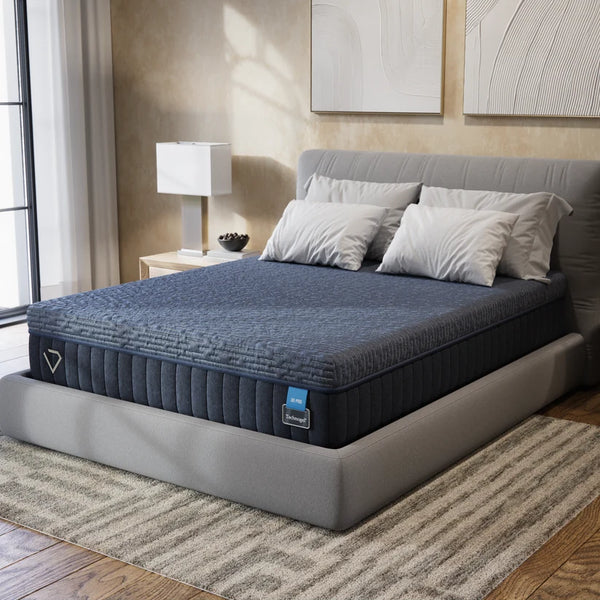
Ergomotion x Sleep Loft Series 2.0

View product
When a mattress is selected with an adjustable base in mind, the system can maintain comfort during lift and reduce unexpected changes in support. This does not eliminate the need for measurement and alignment. You should still confirm the mattress size matches your base platform and that the bedding fits without blocking airflow along the sides.
If you want to explore popular mattress types that often pair well with supportive setups, you can review options such as hybrid comfort for balanced airflow and responsive support, or consider organic-inspired layers when you prioritize material choices. For those who prefer a contouring foam feel, browsing dedicated foam and hybrid lines can help you find a mattress that aligns with your motion preferences.
For people who already own a mattress, compatibility can still be improved. Ensure the foundation is stable, reduce flex by addressing weak slats, and verify that the mattress is seated fully within the perimeter. Small adjustments can restore the intended comfort zone.
7. Final Thoughts & Takeaways
Mattress compatibility is not an abstract concept. It is the measurable fit between a mattress and the system that supports it. When the frame, foundation, and motion features align with the mattress construction, you gain more even support, better edge behavior, and improved long-term comfort.
Before you buy, confirm the size, support surface type, and slat stability. If you use an adjustable base, prioritize motion suitability and ensure the base platforms remain level during lift. When in doubt, evaluate the entire sleep environment rather than the mattress alone.
The Sleep Loft showrooms in NY & NJ also provide an opportunity to test sleep setups before purchase. With easy parking and a visit location at 1056 3rd Ave, NYC, you can compare comfort across different combinations. If you prefer, you can explore products online and then validate fit in person for a more confident decision.
8. Q&A
What signs suggest my mattress is not compatible with my frame?
Common signs include visible sagging in specific zones, uneven comfort between the center and edges, increased squeaking or shifting, and a noticeable change in pressure points after a week or two. If your body feels supported in one area but uncomfortable in another, the foundation or slat spacing may be creating an uneven support pattern.
Are slats always required for mattress compatibility?
No. Many sleep systems use solid platforms, while others rely on slatted frames. Compatibility depends on how well the surface is level, stable, and capable of distributing load. If a solid platform limits airflow excessively or has dips, comfort and longevity can decline. The key is stable, evenly distributed support.
Can I use an adjustable base with any mattress?
Not every mattress is designed for repeated bending and lifting. A mattress intended for adjustable use typically maintains its shape and support characteristics across common lift angles. If you plan to use motion features, select a mattress with motion suitability in mind, and verify size fit to ensure the perimeter remains supported.
How do I confirm compatibility when shopping online?
Start with the mattress size and compare it to your frame or base dimensions. Then review the support surface requirements described by the product information and ensure your foundation provides the intended level of stability and airflow. If your setup is older, inspect the frame for loose hardware and excessive flex, especially in the center.
What should I do if my setup feels unstable after setup?
First, re-check alignment and seating. Ensure the mattress is centered and fully supported along the perimeter. If the frame uses slats, check whether any slats are loose or spaced widely. In some cases, tightening hardware or adding appropriate support can restore stability.
Does mattress compatibility affect edge support?
Yes. Edge support is influenced by both mattress construction and how the mattress perimeter rests on the frame. If the mattress can shift, bow, or lose contact at the edges, edge performance can degrade. A secure fit and stable perimeter contact are important for consistent boundary support.
Can bedding and toppers change mattress compatibility?
They can. Mattress toppers, mattress protectors, and thick comfort layers can affect how the sleep surface responds to movement. While they can improve comfort, excessive thickness or poor attachment can increase shifting and reduce the stability of the support zone. Choose toppers designed to work with the mattress type and keep them secured.
Is showroom testing valuable for mattress compatibility?
Yes. Testing different mattress and base combinations helps you evaluate how support behaves under realistic body positions. Many issues that come from frame mismatch may not be obvious on a single test surface. Visiting a showroom can help you compare setup-level comfort before you finalize your purchase.
What exchange and return conditions should I understand?
Policies may differ by item and condition. The Sleep Loft showrooms support a 365-night trial with one free comfort exchange. Refunds are provided only on unopened mattresses, while furniture, adjustable bases, and accessories are final sale. Always review the specific policy details on the product page before purchasing.
Where can I learn more about mattress options?
You can explore curated mattress categories and product lines through The Sleep Loft website. If you already know your preferred mattress type, review options from brands available there and confirm size and setup fit. For example, you can compare hybrid and foam-based options to find a system that matches your comfort priorities and foundation support style.
How can I improve compatibility with a mattress I already own?
Begin by stabilizing the foundation. Tighten the bed frame hardware, replace damaged slats, and ensure the surface is level. Use a properly sized mattress protector and keep bedding secured so the mattress does not shift. If you use an adjustable base, check that lift settings keep the mattress aligned and avoid excessive creasing.
What is the fastest way to avoid compatibility problems?
Use a compatibility checklist: confirm size fit, verify stable support, and match motion suitability if using an adjustable base. If you are uncertain about frame type or slat spacing, seek guidance during the selection process so you can match your sleep setup from the start.
Disclaimer
This article provides general guidance on mattress compatibility. Requirements can vary by product design, bed frame construction, and user preferences. Always consult the manufacturer documentation and product specifications for your exact mattress and base, and follow all setup instructions. Comfort outcomes are individual, and the best approach is to validate compatibility with your specific sleep system before committing.
About the Author
The Sleep Loft - Online Mattress Showroom helps customers match comfort to real-world sleep setups. The team specializes in mattress selection guidance, sleep system compatibility education, and showroom-informed product comparison across popular mattress types and adjustable foundations. If you want a clearer fit for your bed frame, the experts at The Sleep Loft can help you narrow choices with practical, setup-focused guidance. Thank you for reading.
The content in this blog post is intended for general information purposes only. It should not be considered as professional, medical, or legal advice. For specific guidance related to your situation, please consult a qualified professional. The store does not assume responsibility for any decisions made based on this information.