

Updated on: 2026-11-08
Choosing high-quality spring mattresses affects both comfort and long-term support. The right coil design, comfort layer materials, and firmness level can reduce pressure and improve spinal alignment during sleep. This guide explains what to look for, how to compare options, and how to match a mattress to your sleep position. You will also find practical guidance for evaluating durability and airflow, plus a short set of answers to common questions.
1. Essential Tips
2. Detailed Step-by-Step Process
3. Key Selection Factors for High-Quality Spring Mattresses
4. Comfort Layer, Firmness, and Sleep Positions
5. Durability, Motion, and Maintenance
6. How to Test Before You Buy
7. Summary & Takeaway
1. Essential Tips
- Prioritize balanced support by checking coil construction and edge support, not only the top comfort material.
- Match firmness to your sleep position and body weight range to avoid uncomfortable pressure points.
- Look for meaningful airflow through the mattress interior, especially if you sleep warm.
- Verify build quality by examining cover seams, quilting thickness, and overall responsiveness.
- Plan for long-term hygiene with a rotation schedule and a breathable mattress protector.
2. Detailed Step-by-Step Process
Use a structured approach so your final choice reflects both performance and fit.
Start with your sleep position. Side sleepers typically need more cushioning on the shoulders and hips, while back and stomach sleepers often prefer firmer support.
Determine your target feel. Decide whether you want a more responsive, classic spring feel or a more controlled hybrid-like contour.
Check the coil system. Coil count matters, but construction quality, gauge, and support zones often influence comfort more than raw numbers.
Evaluate the comfort layer. Identify the upholstery materials above the coils and assess whether they provide the right pressure relief for your body.
Test for alignment. Spend time in each position and confirm that your lower back feels supported without sinking too deeply.
Assess edge support. Sit near the perimeter and notice how stable the mattress feels when you get in and out of bed.
Review motion performance. If you share the bed, focus on how much partner movement transfers across the surface.
Confirm practical policies. Understand the showroom trial process and the final-sales categories for furniture, adjustable bases, and accessories.
3. Key Selection Factors for High-Quality Spring Mattresses
High-quality spring mattresses combine supportive coil cores with comfort layers that shape how you feel at the surface. When comparing models, treat the mattress as a system: coils provide foundational support, and the comfort layer controls pressure and temperature.
Coil type and support structure
Spring mattresses commonly use pocketed coils, continuous coils, or variations that blend both responsiveness and targeted support. Pocketed coils move independently, which can reduce motion transfer. Zoned designs may add firmness where you need extra lumbar stability. These design decisions can influence alignment during sleep.
Coil gauge and responsiveness
Coil gauge relates to thickness and stiffness. A stiffer gauge can feel more supportive, particularly for back and stomach sleepers. A slightly softer gauge can feel more conforming for side sleepers, as long as it does not cause excessive sink. The goal is stability: comfort that does not compromise posture.
Edge support and perimeter stability
Edge support matters more than many shoppers expect. A strong perimeter helps you sit close to the edge without feeling unstable. It can also improve usability if you frequently sleep near the side or share the bed.
Airflow and temperature management
Coil cores can promote airflow compared with all-foam designs. Still, airflow depends on the overall interior build and the materials used in the comfort layer and cover. Look for breathable construction and a cover designed to support ventilation.

Coil silhouette with arrows showing airflow and support zones
Supportive comfort layers
The comfort layer is the interface between you and the mattress. Thicker quilting or more cushioning does not automatically mean better. The right layer should distribute pressure under the shoulders and hips while still allowing the coil core to stabilize your spine. If you feel stuck too high on a plush surface, you may experience poor alignment. If you feel numb at pressure points, the comfort layer may be too firm.
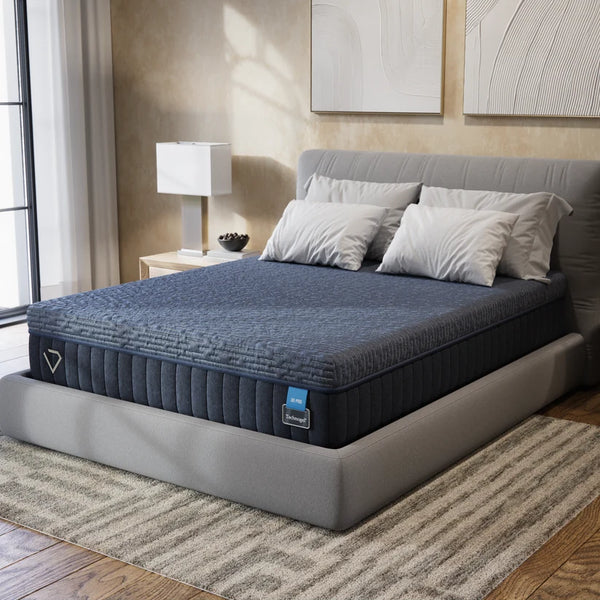
If you want a starting point for a spring-based profile with modern comfort engineering, consider exploring options such as Deluxe Chill Hybrid or Sapira Chill Hybrid. These styles illustrate how coil support and comfort materials can be tuned for both pressure relief and temperature. Always test the feel in your preferred sleep position rather than relying only on specs.
4. Comfort Layer, Firmness, and Sleep Positions
Firmness is not one universal number. It is the combined effect of the comfort layer thickness, the density or firmness of those materials, and the coil support underneath. Treat firmness as a match to your sleep position.
Side sleepers
Side sleeping often requires targeted pressure relief at the shoulders and hips. Look for comfort layers that allow gentle contouring without letting the pelvis sink too far. A mattress that is too firm can create pressure buildup. A mattress that is too soft can reduce spinal alignment by allowing uneven support.
Back sleepers
Back sleepers generally need even support across the lumbar region. The comfort layer should cushion the body while the coil core maintains posture. If your lower back feels unsupported, the mattress may be too plush or the comfort layer may be insufficiently responsive for your body weight.
Stomach sleepers
Stomach sleeping usually requires a firmer feel to prevent hips from sinking. Excess sink can place the spine into an uncomfortable curve. A supportive spring system with a firmer comfort surface can help keep alignment steady.
Combination sleepers
People who change positions during the night need a mattress that feels consistent across surfaces. Look for responsive coil systems and a comfort layer that does not trap you in one contour. The mattress should allow movement while keeping your spine supported as you shift.
As you evaluate feel, pay attention to how you transition between positions. A well-built spring mattress often provides clear support feedback, rather than a slow, collapsing response. That responsiveness can help you settle more easily while maintaining alignment.

Three posture outlines showing shoulder, lumbar, hip support
5. Durability, Motion, and Maintenance
Durability is the practical side of mattress quality. Coils are designed for repeated cycles, but performance depends on build quality, materials, and how the mattress is cared for.
Expected lifespan factors
Several elements influence how long high-quality spring mattresses remain comfortable. Strong materials and stable construction reduce early wear. Compression in the comfort layer can change the feel over time. Proper support from a suitable foundation or base also affects longevity.
Motion transfer and shared sleeping
If you share your bed, motion control becomes a daily comfort factor. Pocketed coil systems often reduce transfer because each coil can react independently. You can also look for quilting and comfort materials that limit surface ripple. Test by applying gentle movement and observing how quickly the surface calms.
Edge usage and wear patterns
Frequent edge sitting can create uneven wear. Choosing a mattress with strong edge support helps maintain usability. Rotating the mattress as recommended can also help balance wear, particularly when you sleep mostly in one spot.
Maintenance routine
- Use a breathable mattress protector to reduce everyday soiling while maintaining airflow.
- Rotate regularly if the manufacturer recommends rotation, and keep track of how the feel changes over time.
- Keep the mattress on a supportive foundation that matches the size and weight load.
- Allow the mattress to rest after unboxing to ensure comfort layers settle correctly.
When to reconsider firmness
If a mattress starts to feel uneven, too soft, or less supportive, it may be time to adjust your expectations or select a different firmness profile. The most common issue is losing support under the back and hips. Paying attention early can prevent discomfort from becoming a recurring problem.
6. How to Test Before You Buy
Testing is essential because sleep comfort is personal. Even high-quality spring mattresses can feel different across body types and sleep preferences.
Evaluate in your real sleep positions
Try side, back, and any preferred transitional position. Spend enough time to feel pressure relief at the contact points. Do not rush your assessment based on the first impression.
Check alignment and sinking
From the side, you should feel supported through the lower back without excessive sinking. If your hips drop too far on your preferred side, your comfort layer may be too soft for your needs. If you feel a firm ridge pressing into your shoulders or hips, the surface may be too firm.
Assess stability on the edge
Edge stability predicts practical comfort. Sit near the edge and stand up. A stable perimeter reduces awkwardness and helps you move confidently.
Confirm temperature comfort
Many shoppers focus on softness and overlook heat. Pay attention to how quickly the surface feels warm and how the mattress responds as you settle. If you sleep warm, prioritize airflow-oriented construction.
In New York and New Jersey, The Sleep Loft showrooms let you try top online mattress brands before you buy, with easy parking. A new location at 1056 3rd Ave, NYC supports in-person comparison across different spring and hybrid profiles. During your visit, ask staff to help you compare feel and support across firmness levels.
For buyers who want to explore spring-influenced comfort and modern construction, you may also review additional options on the site, including Eco Organic Mattress or Avocado Green Mattress. Use these pages to understand construction details, then validate comfort in person.
7. Summary & Takeaway
Choosing high-quality spring mattresses requires more than selecting a firmness label. Focus on coil construction, coil support strength, edge stability, and airflow, then confirm the comfort layer provides appropriate pressure relief. Match the mattress to your sleep position to support alignment during the night. Finally, test it in real positions and maintain it properly to preserve comfort over time.
Q&A Section
How do I tell whether a spring mattress offers enough support?
Focus on spinal alignment and pressure points. When you lie on your side, your shoulders and hips should feel cushioned without deep sinking. When you lie on your back, your lower back should not feel unsupported. A mattress that maintains posture while still providing comfort generally indicates supportive coil construction.
What isn’t as important as shoppers assume: coil count or comfort layer thickness?
Coil count can be a helpful reference, but it is not the only factor. Comfort layer thickness may affect the feel, yet it does not guarantee correct alignment. High-quality spring mattresses require a balanced relationship between the coil core and the comfort materials so that support remains consistent as you settle.
Do high-quality spring mattresses sleep cooler than other types?
Spring cores often promote airflow, which can support cooler sleep compared with some fully foam builds. However, temperature comfort also depends on cover fabric and the comfort layer materials. If you sleep warm, prioritize breathable covers and test the mattress surface as you settle.
How should I maintain a spring mattress to protect its comfort?
Use a breathable mattress protector, rotate if the manufacturer recommends rotation, and keep the mattress on a properly supportive base. Regular care helps reduce uneven wear and can preserve the comfort layer feel. If the mattress begins to feel less supportive, reassess firmness suitability or support needs.
About the Author Section
The Sleep Loft - Online Mattress Showroom supports shoppers through practical guidance and hands-on evaluation. Our expertise focuses on mattress construction, comfort selection, and comparing sleep feel across popular brands. We encourage customers to test in real positions and choose the mattress that best supports alignment. Thank you for reading, and we look forward to helping you find a mattress that fits your sleep preferences.
Disclaimer: This article is for general informational purposes only and does not provide medical advice. Individual comfort needs vary based on personal preferences and body characteristics. Always follow manufacturer instructions for setup, care, and use.
Shop Policies Reference: The Sleep Loft showrooms in NY & NJ let you try top online mattress brands before you buy, with easy parking; new location 1056 3rd Ave, NYC. Policy includes a 365-night trial with one free comfort exchange. Refunds apply only on unopened mattresses. Furniture, adjustable bases and accessories are final sale.
The content in this blog post is intended for general information purposes only. It should not be considered as professional, medical, or legal advice. For specific guidance related to your situation, please consult a qualified professional. The store does not assume responsibility for any decisions made based on this information.