

Updated on: 2026-11-04
Choosing a certified organic mattress is a practical way to align sleep comfort with cleaner materials. These mattresses typically use organic fibers and follow recognized certification standards that address how raw materials are grown and processed. A careful review of certifications, construction layers, and coverage for bedding components can prevent common mismatches between marketing and reality. This guide explains what to check, how to compare models, and how to select the right fit for your bedroom and sleep preferences.
Table of Contents
- What “Certified Organic” Really Means
- Benefits of a Certified Organic Mattress
- How to Choose a Certified Organic Mattress, Step by Step
- Labels, Certifications, and Proof to Look For
- Construction, Materials, and Layering
- Size, Sleep Setup, and Comfort Fit
- Care and Longevity Best Practices
- FAQ
- Closing Thoughts
What “Certified Organic” Really Means
A certified organic mattress is not simply “made with natural materials.” The term signals that specific organic components have been grown and handled under standards set by third-party certification programs. These standards usually cover farming practices, soil and crop management, and restrictions on certain inputs. Certification also tends to apply to how materials are processed before they reach a manufacturer.
From a buyer standpoint, the most important takeaway is specificity. A mattress may include organic materials while still using non-organic foams, fibers, adhesives, or covers. That is why you should assess both the certification documentation and the mattress build details. When the supply chain is verified, you can make a more informed decision based on measurable criteria rather than broad claims.

Icons showing certifications, layers, and verified materials
Benefits of a Certified Organic Mattress
People choose a certified organic mattress for several reasons, including values-based sourcing, comfort preferences, and reduced exposure to certain chemical treatments. Organic fabrics such as wool, cotton, and latex are often selected for their natural properties and responsiveness to body heat.
Beyond the materials, many organic mattress designs emphasize breathable construction. Breathability can help support a more stable sleep surface and may reduce the feeling of trapped heat. Construction choices such as pocketed coils, ventilated cores, and breathable covers can influence airflow and overall temperature regulation.
Finally, a certification-focused approach can simplify long-term confidence. When a product is certified, it is easier to verify the story behind the inputs. That benefit matters most for customers who want consistency over time, especially if they rotate or replace bedding as part of their sleep routine.
How to Choose a Certified Organic Mattress, Step by Step
Use a structured comparison method to reduce uncertainty. Start with the certification details, then validate the layer-by-layer materials, and finally confirm comfort fit based on your sleep position and preferences.
-
Verify the certification scope. Confirm what exactly is certified: the cover, the fill, the latex, or the entire assembly. Look for documentation that is tied to the specific product or manufacturing process.
-
Check the materials used in each layer. Identify the comfort layer and the support core. If you prefer responsive cushioning, look for organic latex or wool batting. If you prefer a more buoyant feel, consider designs that use coil support.
-
Evaluate your comfort needs. Side sleepers often benefit from pressure-relieving top layers. Back sleepers usually need balanced support. Stomach sleepers commonly require firmer support to reduce low-back sink.
-
Confirm firmness rating matches your body and preferences. Firmness is not universal across brands. If possible, compare models using clear layer information and trial terms provided by the retailer.
-
Review cover and care requirements. A breathable organic cover can matter as much as the comfort layer. Check cleaning guidance to protect the certified materials.
-
Match size and bedding compatibility. Ensure your chosen mattress works with your frame and fitted sheet sizes. Consider using an appropriate mattress protector if you want to keep the surface clean.
If you want to compare certified organic-focused options with a transparent checkout process and clear product specifications, you can review offerings from luxury organic mattress selections and related lines on The Sleep Loft. Visiting the showroom can also help you assess feel and support in person.
Labels, Certifications, and Proof to Look For
Certification details can be technical, but you do not need to become a materials analyst to check them responsibly. Focus on whether the certification is real, whether it applies to the specific mattress component, and whether the brand provides accessible proof.
What to verify on the product page
- Certification name and scope: Determine what the certification covers and which mattress components are included.
- Material breakdown: Look for a clear list of the comfort and support layers.
- Manufacturing transparency: Choose brands that explain how certified materials are used in the final build.
- Year-round practicality: Confirm any care guidance for wool, cotton, or latex components so you can maintain the surface.
Common confusion to avoid
Many marketing messages use “natural,” “green,” or “eco-friendly” without confirming organic certification. Those terms may still indicate quality, but they do not provide the same verified standard. If the product does not clearly state what is certified, treat the claim as incomplete.
Construction, Materials, and Layering
Once you confirm certification, the next step is to understand how the certified organic materials function within the mattress. Layering determines pressure distribution, movement isolation, and comfort response.
Comfort layers and feel
Organic mattresses often use wool, cotton, or latex for the upper comfort system. Wool can add softness and help manage moisture. Cotton may provide a smooth surface and breathability. Latex typically offers responsive support and can adapt to body contours without excessive collapse.
Support cores and stability
Support cores may be latex-based or coil-based. Coil systems generally improve airflow and can enhance edge support, depending on pocketing and design. Latex cores can provide consistent support and good resilience over time.
Durability indicators
Durability is not only about the certified materials. It is also shaped by build quality and how layers are bonded or structured. Look for consistent thickness across the main layers, reliable edge support design, and clear explanations of what holds the comfort system in place.

Cross-section diagram showing breathable layers and support core
Size, Sleep Setup, and Comfort Fit
Even the best-certified materials can feel wrong if the mattress and sleep setup do not match. Comfort fit depends on your sleep position, body weight distribution, preferred sleeping temperature, and how you use pillows.
Choose based on sleep position
- Side sleeping: Prioritize a comfort layer that reduces pressure at the shoulder and hip. A responsive top layer can help maintain spinal alignment.
- Back sleeping: Aim for balance, where support prevents excessive sag while cushioning keeps the lumbar area comfortable.
- Stomach sleeping: Favor firmer support to reduce sinking and protect the lower back.
Consider temperature and motion
If you tend to sleep warm, emphasize breathable cover materials and ventilated designs. If you share the bed, pay attention to motion transfer. Coil or certain foam transitions can reduce movement across the surface.
For customers comparing organic-focused options to hybrid alternatives, it is useful to check how support type changes feel. You can evaluate hybrid construction on eco organic mattress pages and confirm what portion of the system is certified and what portion is made with complementary materials.
Care and Longevity Best Practices
A certified organic mattress can remain comfortable longer when you follow consistent care habits. Proper care also helps protect the integrity of natural fibers and support components.
- Use a breathable mattress protector: Choose covers that allow airflow while keeping spills and dust away from the surface.
- Rotate when recommended: Rotation can reduce uneven wear. Follow the brand guidance for your specific build.
- Keep it clean and dry: Address stains promptly using manufacturer-approved methods.
- Support the mattress correctly: Use a compatible base or foundation that prevents sagging and maintains airflow.
- Allow initial airing: If the mattress has any shipping odor, allow adequate ventilation before the first night of use.
In general, mattress performance is influenced by setup. A well-ventilated room and clean bedding practices help the comfort surface maintain its intended feel.
FAQ
Is a certified organic mattress better than a non-certified natural mattress?
Not automatically. A certified organic mattress provides third-party verification for organic components and related production standards. A non-certified natural mattress may still use high-quality materials, but you have fewer verified details about the supply chain. For shoppers who value measurable standards, certification offers clearer proof.
Does certification apply to the entire mattress?
Often, certification applies to specific components such as the cover fabric, latex, or fill. The exact scope depends on the product and manufacturer. You should review the layer breakdown and certification scope details to understand what is certified and what is not.
How should I compare firmness across different brands?
Firmness labels are not universal. Compare by construction and layer composition. If you want to refine your decision, focus on comfort layer materials, support core type, and the stated thickness of each main layer. If available, test in person at a showroom to confirm how your body experiences the surface.
Closing Thoughts
A certified organic mattress can be a thoughtful choice when you want verified standards, breathable comfort, and a mattress build that aligns with your material preferences. By checking certification scope, reviewing layer-by-layer construction, and matching firmness to your sleep position, you can select with confidence. Consider comparing options from reputable retailers and, when feasible, test feel in a showroom environment before finalizing your purchase. Make the decision that supports restful nights and long-term satisfaction.
About the Author Section
The Sleep Loft - Online Mattress Showroom provides practical guidance for shoppers comparing mattress materials, comfort systems, and certifications. The author team focuses on sleep education, transparent product evaluation, and helping customers select an option that fits their bedroom setup and preferred feel. With experience in online mattress retail and showroom-based testing, The Sleep Loft supports informed choices. Thank you for reading, and you are encouraged to review your priorities and choose accordingly.
Disclaimer: This article is for general informational purposes only and does not provide medical or health advice. Mattress comfort and material performance vary by person. Always review product specifications, certification scope, and care instructions provided by the manufacturer before purchase. The Sleep Loft showrooms in NY & NJ let you try top online mattress brands before you buy, with easy parking; new location 1056 3rd Ave, NYC. Policy: 365-night trial with one free comfort exchange; refunds only on unopened mattresses; furniture, adjustable bases and accessories are final sale.
The content in this blog post is intended for general information purposes only. It should not be considered as professional, medical, or legal advice. For specific guidance related to your situation, please consult a qualified professional. The store does not assume responsibility for any decisions made based on this information.
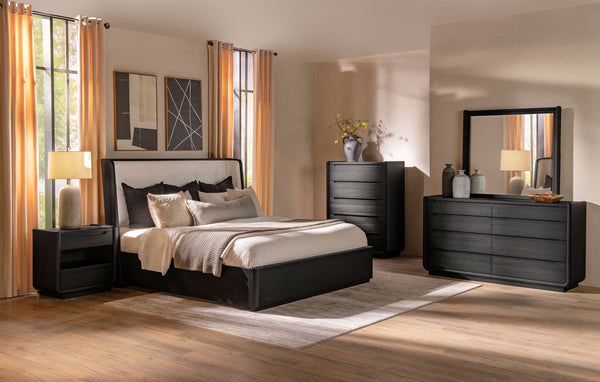
: invalid url input --> "Ergomotion Dawn House Adjustable Hi-Low Smart Bed")