

Updated on: 2026-09-28
A personalized firmness mattress is designed around your sleep preferences instead of using a single feel for everyone. By matching support and pressure relief to your body, you can reduce tossing, improve comfort, and support healthier sleep routines. This guide explains how customized firmness works, how to choose the right comfort level, and what to evaluate before you buy. You will also find practical tips for dialing in firmness based on sleeping position, body weight, and comfort goals.
If you want a mattress that adapts to how you actually sleep, personalization is the most direct path to a better match. The right setup can help you feel balanced from head to hips while staying comfortable through the night.
What a personalized firmness mattress actually means
Why firmness feels different from person to person
Key advantages of choosing a customized-feel mattress
Quick tips for choosing your firmness settings
Visual guide to support, pressure relief, and alignment
What a personalized firmness mattress actually means
A personalized firmness mattress is built to let you select or fine-tune how firm the bed feels across key zones or across different parts of the sleep surface. The main purpose is simple: different bodies need different levels of support and pressure relief. Instead of guessing whether a medium mattress is right for your hips, shoulders, and spine alignment, a personalized approach lets you target your comfort goals more directly.
Customization can appear in several forms. Some designs provide distinct firmness zones so that the mattress supports your hips and upper back differently. Other systems allow adjustments across sides of the mattress or within comfort layers. In all cases, the goal remains consistent: balance support and softness where you need it most, so you can fall asleep more easily and stay comfortable longer.

Firmness zones mapped across a simple body outline
Why firmness feels different from person to person
Firmness is not an absolute value. It is a combination of comfort layer softness, core support characteristics, and how your body weight and shape distribute pressure. Two people can both describe a mattress as “medium,” yet one may feel supported while the other may sink too much at the hips.
Several variables strongly affect perceived firmness:
- Body weight and composition: Higher body weight typically compresses comfort layers more, which can feel softer than expected. Lower body weight may feel firmer because comfort materials compress less.
- Sleep position: Side sleepers often need more cushioning under the shoulders and hips. Back sleepers usually want even support from shoulders to hips. Stomach sleepers often prefer firmer support under the midsection to prevent sagging.
- Body shape and pressure points: Prominent hips or shoulders may require a different balance than a more evenly proportioned frame.
- Material behavior: Cooling covers, foam responsiveness, and hybrid construction can all change how the surface feels and rebounds after pressure.
Because these variables vary between individuals, a personalized firmness mattress reduces guesswork and allows you to align the bed with your biomechanics rather than forcing your body to adapt to a generic profile.
Key advantages of choosing a customized-feel mattress
- Better pressure relief: When the surface matches your pressure points, you are less likely to experience numbness or soreness that builds during the night.
- Improved spinal alignment: Targeted support helps maintain a neutral posture from neck through the lower back.
- More consistent comfort across sleep positions: If you change positions during the night, zones and firmness adjustments can help maintain balance.
- Compatibility for couples: Partners can have different comfort needs without compromising each other’s sleep quality.
- More confident decision-making: Personalization helps you choose with clarity based on how you sleep, not only how a mattress is rated.
- Cooling comfort support: Many customized systems use engineered cooling covers or responsive materials that can help manage surface temperature.
These benefits are most noticeable when the mattress is tuned for your specific comfort priorities. If you select firmness to address both pressure relief and support, the result is often a more stable, less distracting sleep experience.
Quick tips for choosing your firmness settings
Choosing the right firmness level becomes easier when you apply a structured approach. Use the following short checklist to narrow down your best match.
- Start with your primary sleep position: Prioritize the position you use most often.
- Evaluate pressure at shoulders and hips: If you feel excessive sink, choose firmer support. If you feel pressure, choose more cushioning.
- Account for body weight: Heavier sleepers often need more support to prevent bottoming out, while lighter sleepers may prefer comfort layers that feel responsive.
- Consider movement and ease of switching positions: If you wake when you change posture, reassess support firmness and surface responsiveness.
- Choose targeted firmness zones: Zone-based comfort can help address different needs for the upper and lower body.
- Match cooling needs: If you sleep warm, emphasize designs with cooling covers and breathable materials.
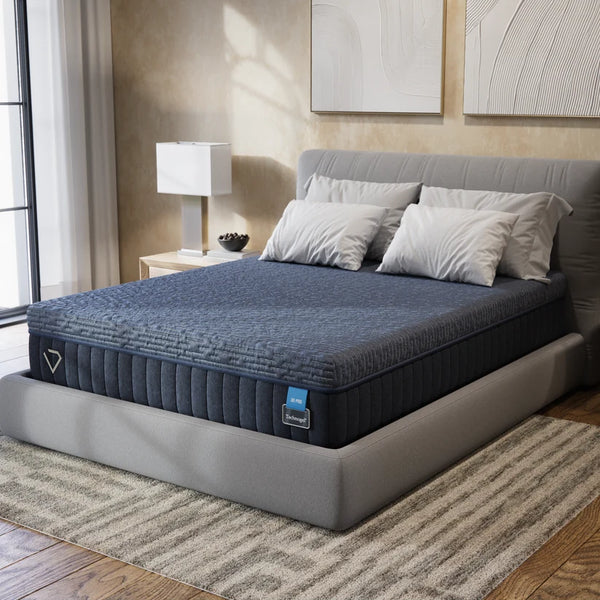
For a concrete example of a customized comfort and cooling approach, you may consider the product below as you compare features like temperature management and surface feel.

Helix Twilight Luxe - Includes GlacioTex™ Cooling Cover
Helix Twilight Luxe
Visual guide to support, pressure relief, and alignment
Understanding how firmness influences your sleep can be easier when you think in three layers: support under the core, cushioning under pressure points, and a surface that keeps your body aligned. A personalized firmness mattress aims to coordinate these elements.
As a quick reference, observe how your body reacts when you lie down:
- Shoulder response: If your shoulder sinks too deeply, the comfort layer may be too soft for your frame.
- Hip response: If your hips feel unsupported, firmness and zone support may need adjustment.
- Lower back feel: If your lower back arches sharply, the midsection may be too firm or too unsupported, depending on your sleep position.

Three-part alignment diagram with arrows for support
How to test a personalized mattress at home
Even with strong guidance, your body is the final evaluator. A practical testing plan can help you decide more confidently.
Try a consistent setup on night one
Use your normal bedding and sleep schedule. Keep your room temperature stable. If possible, start with your usual pillow height so you can evaluate mattress comfort rather than changing too many variables at once.
Assess comfort in short intervals
You do not need to judge comfort only after a full night. Spend several minutes in each common position. Notice pressure under your shoulders and hips, and evaluate whether you feel stable from head through pelvis.
Track comfort changes over several nights
Comfort can shift as your body adapts to a new surface. If you wake with pressure points, the firmness match is likely off. If you wake with a sense of balance and ease, you have probably selected a compatible feel.
Check partner movement impact
If you share the bed, pay attention to how your partner’s movement affects your side. Many sleep systems are designed to reduce motion transfer, which can protect sleep quality for both partners.
When you compare options, also consider how the bed manages temperature. Cooling covers and breathable layers can influence how firm the surface feels in warm conditions.
Common mistakes to avoid
Personalization still requires judgment. These are frequent errors that can reduce satisfaction even when the mattress includes adjustable firmness features.
- Choosing firmness based only on preference terms: Words like “plush” or “firm” can be subjective. Use your pressure and alignment feedback instead.
- Ignoring sleep position: A mattress that feels comfortable while sitting or watching television may not support you during long hours of sleep.
- Changing pillows and mattresses at the same time: Pillow adjustments can mask mattress issues. Keep one variable stable while testing.
- Overcorrecting immediately: If you feel slightly tight after night one, you may be underestimating adjustment time. Evaluate patterns instead of single events.
- Assuming customization removes the need for fit: A personalized firmness mattress can improve accuracy, but the best result still depends on selecting the right settings for your body.
For shoppers who value temperature comfort and consistent feel, reviewing comfort-layer materials and cooling features can help you refine your selection.
Summary & next steps
A personalized firmness mattress can deliver a more accurate balance between pressure relief and structural support. By aligning firmness with your sleep position and comfort needs, you can reduce discomfort and improve overall sleep consistency. Use the quick checklist to select an initial setup, then test in your natural sleep conditions and adjust based on how your shoulders, hips, and lower back feel.
If you are comparing options, focus on zone support, comfort-layer responsiveness, and cooling performance. You can also explore curated mattress options at The Sleep Loft online mattress showroom to better understand how different constructions feel before you decide.
Next, confirm the firmness choices that match your primary sleeping position. Then, commit to a short evaluation period while keeping bedding and pillows stable. This approach typically leads to a clearer decision and a more satisfying purchase.
Q&A Section
How do I determine the right firmness for a personalized mattress?
Start with your main sleep position. Side sleepers usually need cushioning for the shoulders and hips, while back sleepers often benefit from balanced support under the spine. Stomach sleepers often require firmer support under the midsection to prevent sagging. Then evaluate pressure points during several short lying sessions, and refine based on whether your body feels aligned.
Can a personalized firmness mattress work for couples with different comfort preferences?
Yes. Custom firmness designs often support different comfort needs across zones or across sleep surfaces. This can help reduce partner disruption and improve both people’s pressure relief. When choosing for two sleepers, consider each person’s primary position and the areas that usually create discomfort.
Will a customized-feel mattress stay comfortable if I change positions at night?
Many personalized systems are designed with targeted support and comfort, which can help maintain comfort across multiple sleeping positions. If you frequently change posture, prioritize a setup that supports your hips and keeps your spine aligned while still cushioning shoulders and upper body pressure points.
What should I look for if I sleep hot?
Focus on cooling features such as engineered cooling covers, breathable materials, and airflow-friendly construction. Also consider how the mattress responds to body pressure, since trapped heat can increase when comfort layers compress excessively. If personalization allows, choose firmness settings that prevent deep sink while maintaining pressure relief.
Is personalization only about softness or firmness, or is there more to it?
Personalization is about both comfort and support. A good match coordinates cushioning where you need it and firmness where you need structural stability. In practice, this often means evaluating zoned support, surface responsiveness, and temperature management together rather than focusing on firmness alone.
About the Author Section
The Sleep Loft - Online Mattress Showroom is an online mattress store that supports shoppers with informed guidance and a streamlined buying experience. Our team specializes in mattress comfort evaluation, sleep feel comparisons, and helping customers choose a better match for their needs. We encourage readers to review comfort goals, test thoughtfully, and select a sleep setup that supports daily rest. For additional guidance, visit The Sleep Loft and explore options ready for your consideration.
Disclaimer: This article provides general educational information and does not replace professional medical advice. Individual comfort varies, and results depend on body type, sleep habits, and bedding choices. Always consult a qualified healthcare professional if you have concerns related to sleep comfort or underlying conditions.
The content in this blog post is intended for general information purposes only. It should not be considered as professional, medical, or legal advice. For specific guidance related to your situation, please consult a qualified professional. The store does not assume responsibility for any decisions made based on this information.