

Updated on: 2026-09-14
If you share a bed, you already know how small movements can ruin sleep for both people. Motion isolation technology is designed to reduce the spread of motion across the mattress surface. That means fewer wake-ups when your partner shifts, turns, or gets comfortable at night. In this guide, you will learn what it is, how to test for it, and which mattress types are most likely to deliver noticeable results.
What Is Motion Isolation Technology?
Motion isolation technology is the set of design choices that helps a mattress respond to movement without transferring that movement across the sleep surface. When someone rolls, adjusts their position, or pushes up to sit, the mattress should absorb and dampen that energy instead of spreading it like a wave.
Most sleepers feel the difference in two ways: first, your side of the bed stays calmer when your partner moves; second, you experience fewer micro-wake-ups that come from sudden surface shifts. Instead of “feeling every turn,” you get a more stable feel from head to toe.
How it works in simple terms: the mattress materials and internal layers are engineered to flex locally. Softer, contouring layers can help limit the way movement travels, while supportive layers keep your body aligned so you do not need to readjust as often. The result is a smoother ride for both people, even on nights when sleep is restless.

Wave damping concept: motion fades across layers
Why Motion Isolation Matters for Couples and Sleepers
For couples, sleep disruption is often small and frequent. It is not usually a full wake-up. It is the brief shift in attention that makes it harder to fall back asleep. Motion isolation technology can help reduce those “almost wake-ups,” especially when one partner is more active at night.
Even if you do not share a bed, motion isolation still helps. Many people move more than they realize—stretching, changing posture, or turning over during lighter sleep stages. A mattress that dampens motion can feel more consistent from one position to the next, which supports uninterrupted rest.
To make this practical, think about your typical nighttime routine. If you slide into bed, then settle in, you want the bed to stay quiet. If you wake and reposition, you want the rest of the mattress to feel stable so you do not drag that movement into your partner’s side. That is the value motion isolation is built to protect.
Did You Know?
- Some mattresses feel stable because of layered design, not just firmness.
- Calmer sleep often comes from reduced surface “travel,” not from a softer top alone.
- When motion moves less, you may need fewer adjustments during the night.
- Side sleepers often benefit because their body shape creates natural pressure mapping.
- Edge support can affect how much you shift when you sit up, so overall comfort matters too.
Expert Tips
Before you choose a mattress, you want to know what to look for. Here are practical guidance points that help you shop with confidence.
- Press and release test: Press near your hip area and release. A good motion-isolating feel is where the surface quiets quickly.
- Try the “sit then roll” check: Sit near the edge, then gently roll a few inches. If you feel big movement across the mattress, you may need a more isolating build.
- Match the comfort layer to your sleep style: If you sleep on your side, you may need more contouring for pressure relief, which can also help localize movement.
- Check firmness consistency: A mattress can be firm but still isolate movement if internal layers flex locally.
- Look for balanced support: If the mattress is too soft, you might shift to stay comfortable, which can create more motion in the first place.
If you want a deeper shopping shortcut, explore options such as Deluxe Chill Hybrid Mattress for a comfort-and-support feel that many couples enjoy. If you prefer a plushier contour, you can compare with Dream Hybrid Mattress.
Personal Anecdote
I still remember the first time I realized how much motion isolation technology affects real sleep. I tested two mattresses back-to-back with a simple routine: I would settle into one position, then make small movements—turning my shoulders, shifting my hips, and changing how I lay. On one mattress, every shift felt like it echoed across the surface. On the other, my movements felt localized. I could tell quickly because the “quiet” side of the bed felt more stable.
That is when I understood that the goal is not to stop movement entirely. The goal is to reduce the way movement travels. A mattress that isolates motion helps you stay comfortable with fewer repositioning cycles. You do not just feel better in the moment; you spend more of the night sleeping instead of reacting to motion.
2026 New Brooklyn Bedding Titan Plus Elite

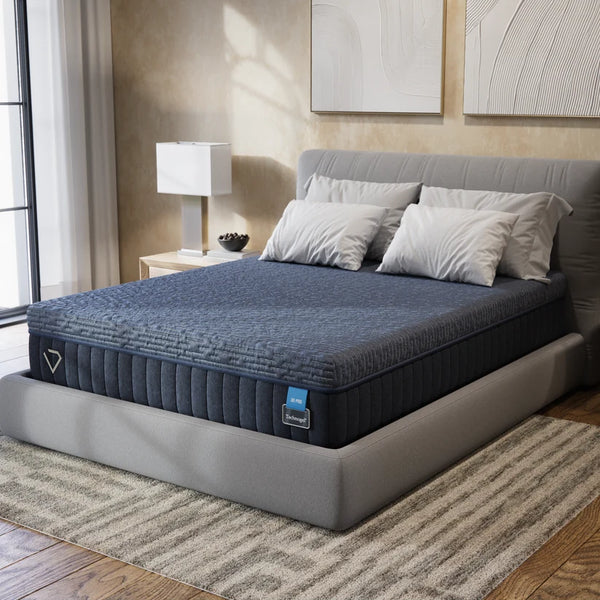
For shoppers who want a supportive feel with a calmer experience when the other person moves, the Brooklyn Bedding Titan Plus Elite is a strong candidate to consider. You can view it here: 2026 Brooklyn Bedding Titan Plus Elite.
Best Use Cases by Sleep Style
Motion isolation technology is not a single-size feature. The benefits show up differently depending on how you sleep and who you share the bed with.
Couples with different schedules
If one person goes to sleep earlier, moves more often, or changes positions more frequently, motion isolation can help protect the second sleeper. You get a more “quiet zone,” so your rest is less dependent on your partner’s night routine.
Light sleepers
Light sleepers often wake from small changes in surface feel. When the bed dampens movement, you may find it easier to stay asleep even when your body naturally shifts through the night.
Side and combo sleepers
Side sleepers need comfort that hugs pressure points. When the mattress supports your shape and limits movement travel, you can maintain a steadier feel when you change positions. Combo sleepers also benefit because the mattress helps your body transition without causing a big ripple.
Home offices and guest rooms
A mattress with better motion control is also helpful in guest rooms. Guests may get comfortable in new ways, and you want the sleeping experience to feel calm, not reactive, if they roll or shift.
How to Test at Home Like a Pro
Shopping online should still feel real. You can test motion isolation technology in a practical way, even if you cannot physically take a mattress home right away.
1) Use a partner-friendly movement plan
Lie on one side. Have a partner gently shift positions on the other side. Pay attention to what you feel: do you sense a rolling wave across your body, or do you feel mostly localized movement? The better isolating build makes your side feel calmer.
2) Focus on your typical sleep posture
If you mostly sleep on your side, test near where your shoulder and hip land. If you sleep on your back, test near the mid-back and legs. Motion isolation should still feel controlled where your body naturally contacts the mattress.
3) Give the mattress a few minutes
Many people make a quick judgment too fast. Let your body settle and see how the surface feels after small adjustments. A motion-isolating design often becomes more apparent after you stop moving and feel the mattress quiet down.
4) Compare similar firmness levels
Firmness affects how you move. If you compare two mattresses with very different feels, it can be harder to judge motion isolation fairly. Try to keep the comparisons close in support level so you can focus on movement transfer.
When you are ready to try options in person, The Sleep Loft Showroom is ready for you to test your favorite online beds before you buy. Conveniently located in New York & New Jersey, the mattress store offers a large, comfortable space with ample parking and an easy-to-find location. You can also visit the New location at 1056 3rd Avenue, New York, NY.

Couple test: one side shifts, other stays calm
Summary & Takeaways
Motion isolation technology helps reduce how much movement travels across a mattress. That matters most for couples, light sleepers, and anyone who wakes from sudden surface shifts. The best mattress is the one that feels stable in your usual sleep position, while still offering comfort and alignment. Use the tests above to judge movement transfer and choose a bed that supports uninterrupted rest.
- Look for localized response to movement, not just softness.
- Test in the posture you actually sleep in.
- Compare similar firmness levels for fair motion isolation evaluation.
- Shop with real-world comfort goals: calmer sleep, fewer adjustments, better consistency.
If you want a streamlined path to a motion-calmer mattress experience, compare a few options that match your preferred feel. For example, you may like the supportive comfort of Sapira Chill Hybrid Mattress, or explore an organic-forward option such as Luxury Organic Mattress if you prefer natural materials.
Call to action: Visit The Sleep Loft Showroom or browse top picks online, and choose the mattress that helps you sleep through the night instead of reacting to motion.
Q&A Section
How can I tell if a mattress has strong motion isolation?
A quick indicator is how your side feels when your partner shifts on the other side. Strong motion isolation technology should feel localized, with minimal ripple travel. You can also press and release near your hips and shoulders; the surface should quiet down rather than continue moving.
Is motion isolation technology only important for couples?
No. Even solo sleepers benefit. If you tend to move during the night, a mattress that reduces movement travel can help you stay comfortable without the bed amplifying each adjustment.
Do softer mattresses always isolate motion better?
Not always. Softer layers can contour well, but motion isolation also depends on how the mattress layers flex and recover. The best results come from designs that limit movement spread while still providing support so you do not keep shifting to maintain comfort.
Does motion isolation mean the bed feels “too still”?
It should not feel lifeless. You want gentle stability, not a stiff or unresponsive surface. Good motion isolation technology reduces disruptive transfer while maintaining comfort and natural give where your body contacts the mattress.
About the Author
The Sleep Loft - Online Mattress Showroom
Our team at The Sleep Loft - Online Mattress Showroom is focused on helping shoppers find a bed that matches their sleep needs and comfort preferences. We specialize in mattress education, setup guidance, and choosing the right materials for different sleep styles. If you want a smoother, calmer night of rest, we are here to help you compare options and feel confident in your choice. Our friendly team looks forward to welcoming you in New York & New Jersey.
Disclaimer: This article is for general information only and does not provide medical advice. Mattress comfort and performance can vary by person, body type, and sleep habits. Always review product details and warranty terms before purchase.
The content in this blog post is intended for general information purposes only. It should not be considered as professional, medical, or legal advice. For specific guidance related to your situation, please consult a qualified professional. The store does not assume responsibility for any decisions made based on this information.