
Updated on: 2026-05-20
Choosing mattresses for back pain is not only about softness. The right level of support helps keep your spine in a neutral position. The best option depends on your sleep position, body weight, and how you experience pressure and stiffness. In this guide, you will learn practical selection criteria and a simple setup routine to improve comfort. You will also find product directions from The Sleep Loft to help you narrow choices faster.
If you experience back discomfort, you need more than a mattress that feels soft. You need balanced support that reduces pressure while keeping your spine aligned. The goal is a surface that distributes your weight evenly and maintains a comfortable hip and lumbar curve. In this article, you will learn how to evaluate firmness, materials, and sleep position so you can choose mattresses for back pain with confidence.
Product Spotlight: Back-Pain Support Meets Comfort
When people search for mattresses for back pain, they often picture one single “ideal” firmness. In practice, the best experience depends on how your body settles into the top layers and how the support core prevents excessive sink. If you like a medium-to-supportive feel and want modern pressure relief, a hybrid design is a common starting point because it blends contouring with stability.
One example to consider is the Deluxe Chill Hybrid Mattress. Hybrid constructions typically use a supportive base with comfort layers that can cradle your shoulders and hips. For back comfort, this matters because pressure tends to build when your hips sink too far or when the lumbar region does not receive enough support. A supportive response can help you maintain a more neutral alignment through the night.
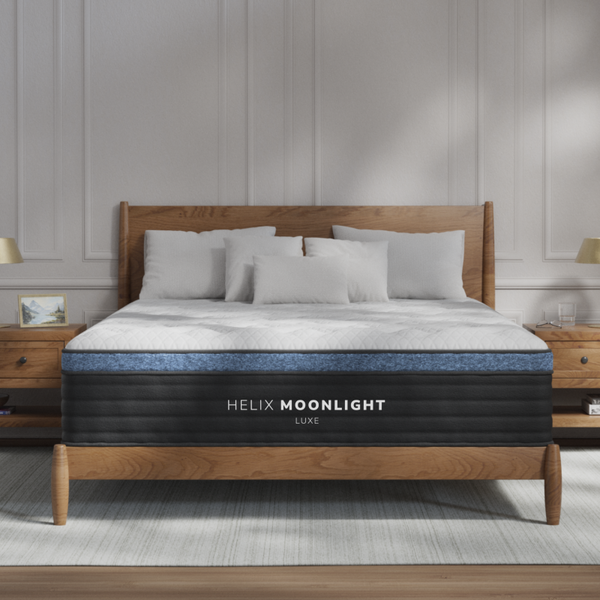
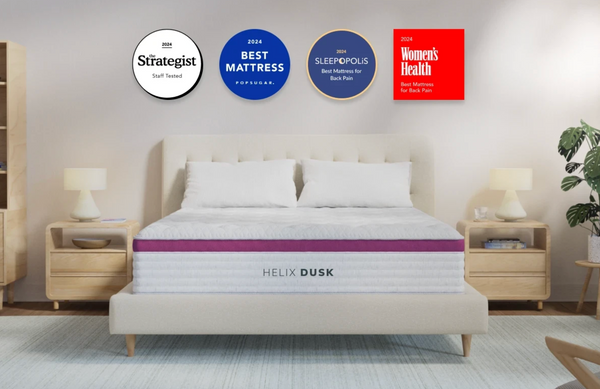
For shoppers who prefer a firmer or more buoyant sensation, another direction is the Helix Midnight Luxe. A supportive surface can reduce motion and maintain structure. If you frequently change positions, that stability can be important because your body does not have to “fight” the mattress every time you move.
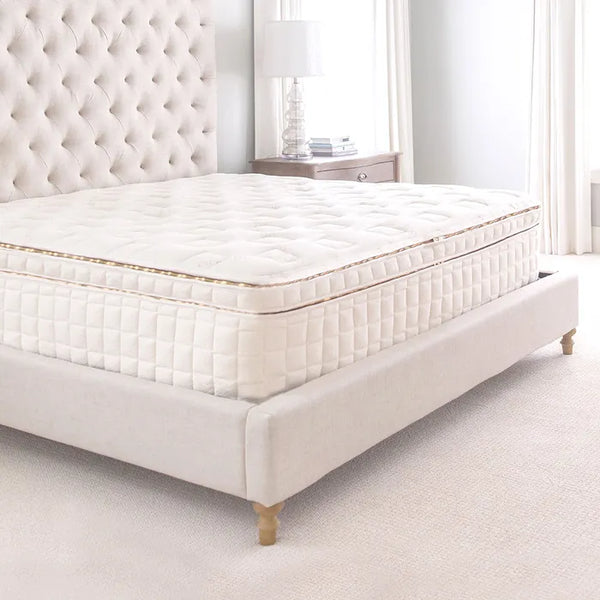
For customers who strongly prefer natural materials, consider the Luxury Organic Mattress. Natural comfort layers may appeal to people who want a responsive surface and careful material selection. While comfort is personal, natural and well-constructed layers can support consistent alignment and pressure management.

Neutral spine diagram with pressure points
Step-by-Step How-To: Choose Mattresses for Back Pain
Use this structured process to narrow your choices. The goal is not to guess once. The goal is to select a mattress configuration that matches your sleep biomechanics.
-
Identify your main sleep position. Side sleepers often need more pressure relief at the shoulder and hip. Back sleepers usually benefit from targeted lumbar support. Stomach sleeping typically requires a more supportive feel to reduce the chance of excessive sag in the midsection.
-
Estimate firmness based on how you feel at pressure points. If you wake with stiffness, your mattress may be too soft for your body. If you wake with discomfort that feels “pinching,” the mattress may be too firm or not contouring enough.
-
Check for lumbar support, not only overall firmness. The lumbar region should feel supported while the shoulders and hips should feel comfortable. A mattress that supports your midsection without creating hard edges can help you maintain a neutral spinal curve.
-
Choose materials that match your sensitivity. Foam layers can provide close contouring. Latex and responsive foams can offer a different balance of bounce and pressure relief. Hybrids often combine comfort with a more stable base.
-
Use body weight as a tuning factor. Heavier sleepers typically need a more supportive core to prevent excessive sink. Lighter sleepers may prefer more contouring so pressure points receive cushioning.
-
Evaluate temperature behavior if you sleep warm. Heat buildup can increase discomfort and restlessness. Look for design cues that support airflow, such as open coil systems or breathable covers. Comfort is not only about pressure; it is also about staying at a tolerable sleeping temperature.
-
Test with a routine, not a quick first impression. Lie in your normal position for a practical period. Pay attention to how your hips settle and whether your lower back feels supported after you exhale and relax your body.
-
Consider your sleep partner. If you share a bed, motion transfer and edge stability can influence comfort. Couples often need a balance that prevents one person from sinking more deeply than the other.
-
Plan for adjustment time. Your perception changes as your body learns the new support pattern. Use a consistent evaluation plan over several nights to determine whether the mattress supports your spine as intended.
Simple checklist for back comfort
- Shoulders and hips feel cushioned without feeling swallowed.
- Lower back feels supported, especially when you are on your back.
- When you shift positions, you do not feel trapped or pushed upward.
- You can relax your spine rather than “holding yourself straight.”
- You wake without increased stiffness that you did not have before.
To see how different construction styles feel in real conditions, it helps to compare options with a comfort-first approach. If you want a cooling-forward hybrid experience, the Sapira Chill Hybrid Mattress can be a relevant comparison point. If you prefer a foam-focused contour, the Casper One Foam Mattress may fit a comfort style that prioritizes pressure relief.

Step checklist icons: position, support, pressure, comfort
Personal Experience: What Changed After a Better Fit
A common reason shoppers delay a decision is that many back-related discomfort patterns are subtle at first. I previously assumed that a softer bed would “take pressure off” right away. I chose comfort that felt good during a brief test, but it did not support my lower back after a full night of sleep. Within days, I noticed a pattern: when I lay on my back, my hips sank more than I expected, and my lower back felt compressed rather than supported.
After I changed the approach, I focused on how my body settled instead of only how the top felt. The difference was immediate. On a more supportive surface, my hips aligned more consistently with my spine. I also paid attention to pressure at the shoulders during side sleeping. When the shoulder felt cushioned without collapsing too deeply, I stopped waking with a twisted posture and began sleeping more evenly through the night.
This is why mattresses for back pain should be selected with an alignment mindset. The best mattress does not feel perfect at the start. It supports a neutral curve long enough for your muscles to relax.
Summary & Recommendations
Back comfort is the result of multiple factors working together: firmness level, pressure relief, lumbar support, sleep temperature, and how your body weight settles into the comfort layers. When you choose mattresses for back pain, prioritize neutral alignment and even weight distribution. If you are unsure, begin with a supportive hybrid direction or a tailored foam feel, then test using your normal sleep position and a consistent evaluation routine.
Recommendations you can act on now:
- Match mattress firmness to your sleep position and your pressure needs.
- Look for stable support that prevents excessive hip sink.
- Consider breathability and cooling features if you sleep warm.
- Test systematically and evaluate over several nights, not only during a quick visit.
- If you share a bed, select a construction that limits motion transfer.
If you want to compare options quickly, start by reviewing the product pages on The Sleep Loft and shortlist two or three candidates. The Sleep Loft Showroom is ready for you to try your favorite online beds before you buy. Conveniently located in New York and New Jersey, the mattress store offers a large, comfortable space with ample parking and an easy to find, convenient location. Our new location at 338 2nd Street, Jersey City can help you evaluate support in person.
Call to action: Create a short shortlist using the checklist above, then try the options in-store so you can feel how your hips and shoulders settle. If you want a hybrid comparison, begin with Deluxe Chill Hybrid Mattress or Sapira Chill Hybrid Mattress. If you prefer a foam-forward feel, compare Casper One Foam Mattress with your preferred firmness level.
Q&A Section
What firmness level is best for mattresses for back pain?
There is no universal firmness. Many people with back discomfort prefer a medium-to-supportive feel because it helps prevent excessive hip sink while still cushioning pressure points. The best firmness is the one that keeps your spine neutral in your usual sleep position without creating hard pressure on shoulders or the lumbar area.
Are hybrid mattresses better for lower back support?
Hybrid mattresses can be a strong option because they often combine comfort layers with a stable coil-based core. This balance can help maintain alignment by limiting excessive sink. However, the ideal choice depends on your body weight, sleep position, and how sensitive you are to pressure relief versus responsiveness.
How do I know if my mattress is causing my back discomfort?
You may notice increased stiffness after waking, discomfort that improves when you change positions, or a pattern that worsens as the night progresses. A clear sign is that the mattress no longer supports a neutral curve, especially in the hips and lower back. If you recently changed your routine and your discomfort increased after switching beds, the mattress may be contributing.
Should I use a mattress topper for back pain?
A topper can sometimes help when a mattress is slightly too firm or too soft. For back comfort, choose a topper that adds controlled contouring without allowing excessive sink. If your mattress already allows hips to sink too far, a thick soft topper may worsen alignment. For best results, evaluate the underlying support first and then decide on topper thickness and firmness.
About the Author Section
Name: Jordan Rivera
Expertise: Jordan Rivera specializes in sleep comfort strategy, mattress material performance, and support-focused selection guidance. He advises shoppers on how to evaluate alignment, pressure relief, and temperature comfort to make informed choices.
Bio: Jordan works with The Sleep Loft - Online Mattress Showroom to help customers understand how different constructions feel in real sleep conditions. He focuses on practical criteria such as spinal alignment, pressure distribution, and durable comfort planning. For those in New York and New Jersey, he encourages in-person testing so shoppers can compare support levels with confidence. Thank you for reading.
Disclaimer: This article provides general educational information and does not replace professional medical advice. Back pain can have many causes, and you should consult a qualified healthcare professional for diagnosis and treatment. Mattress comfort may vary by individual anatomy, health status, and sleeping habits.
The content in this blog post is intended for general information purposes only. It should not be considered as professional, medical, or legal advice. For specific guidance related to your situation, please consult a qualified professional. The store does not assume responsibility for any decisions made based on this information.