

Updated on: 2026-08-15
If you’ve ever felt stuck between “too firm” and “not supportive enough,” a mattress comparison guide can save you time and frustration. It helps you match your sleep needs to the right materials, comfort level, and support system. You’ll also learn how to compare temperature control, motion isolation, and edge support without guessing. By the end, you’ll know exactly what to look for and which type of bed is most likely to feel great every night.
What a Mattress Comparison Guide Actually Does
Why Comparing Matters (Even If You Think You Already Know)
How to Use a Mattress Comparison Guide
Feel vs. Support: The Two Parts You Must Balance
Match the Bed to Your Sleep Style
Foam, Hybrid, and Natural Options: What the Labels Mean
When to Choose Based on Temperature and Movement
What a Mattress Comparison Guide Actually Does
A mattress comparison guide turns “shopping anxiety” into clear choices. Instead of relying on a single review or a vague firmness label, you compare key factors that affect how your body feels in real life. That includes pressure relief, spinal alignment, responsiveness, and durability. When those pieces line up, your bed feels less like a gamble and more like a plan.
This guide also helps you narrow down mattress types faster. For example, if you sleep hot, you want airflow and heat-dispersing comfort layers. If you share the bed, you want motion isolation so you’re not bouncing whenever someone shifts. If you wake up with aches, you need better support where it matters most: around the hips and lower back.
Scales showing comfort layer vs support core balance
Why Comparing Matters (Even If You Think You Already Know)
Many shoppers pick a mattress based on how it feels for five minutes in a store. The problem is that comfort changes over time. A bed can feel “fine” at first and then create pressure or heat once you’re fully relaxed for hours. Comparing helps you avoid that common mistake.
- Firmness is not a universal scale. Two mattresses labeled “medium” can feel very different.
- Support systems vary. Springs, foam, and hybrid builds offer different levels of lift and contouring.
- Edge performance matters. If you sit or sleep near the edge, you want stability that doesn’t collapse.
- Partner comfort is a real factor. Different sleeping positions require different responsiveness.
When you compare the right details, you make fewer returns and more confident buys. That’s the real win.
How to Use a Mattress Comparison Guide
The easiest way to use a mattress comparison guide is to treat it like a decision funnel. Start broad, then get specific. First, identify your top comfort goals. Next, match them to mattress construction. Finally, confirm the features that affect your nightly routine.
Step 1: List your top sleep priorities
Choose the top two or three issues you want to solve. Are you trying to reduce back pressure? Do you need cooler sleep? Is your partner’s movement waking you up? Write them down and keep them visible while you shop.
Step 2: Compare comfort feel you can predict
Look for comfort materials and how they behave. Some surfaces slow you down and contour closely. Others feel more responsive and “bounce” back faster. Your goal is not just softness. It’s pressure relief without sinking too far.
Step 3: Compare support that protects alignment
Support is where most differences show up. A mattress should feel stable in your hips and lower back. If you’re a side sleeper, you usually need more contouring at the shoulders and hips. If you sleep on your back, you typically want support that keeps your spine neutral.
Step 4: Check motion isolation and edge support
If you share a bed, motion isolation can be a deal-maker. If you like to sit on the edge or sleep near it, edge support matters for comfort and usability. Comparing these features helps you choose a mattress you’ll enjoy every day, not only at bedtime.
Step 5: Make your final choice based on your most likely problem
Most shoppers are not unsure about everything. They’re unsure about the one thing that bothers them most. If heat is your issue, prioritize breathability. If pressure points wake you up, prioritize contouring and support balance. Then verify that your chosen build fits your body weight range and sleeping posture.
Feel vs. Support: The Two Parts You Must Balance
When people say a mattress is “too firm,” they often mean they’re not getting enough pressure relief. When they say it’s “too soft,” they often mean they’re sinking and losing alignment. A good mattress comparison guide helps you separate feel from support so you can pick what you actually need.
Comfort layers shape how you sit and lie down. They can cushion joints, soften the surface, and reduce pressure buildup. Support cores help keep your spine in a healthier position and prevent excessive sink. Together, they help you sleep deeper because your body can relax instead of bracing all night.
- Side sleepers usually need comfort that cushions shoulders and hips while support keeps the hips from sinking too far.
- Back sleepers often do best with a balance of contouring plus a stable base that supports the lumbar area.
- Stomach sleepers generally need less sink and a firmer support feel to help keep the hips from dropping.
Match the Bed to Your Sleep Style
Comparing by sleep position is one of the fastest ways to narrow your options. You don’t need complicated testing. You just need to match your body’s shape to the mattress behavior you’re likely to feel.
Side sleepers
Choose comfort that helps your shoulders and hips settle without collapsing. If you wake up with numbness or soreness, your bed may be missing pressure relief or may allow too much sink.
Back sleepers
Look for support that keeps your spine neutral. You want enough cushioning to avoid hard pressure while still feeling lifted in the right areas.
Combination sleepers
If you frequently change positions, you’ll likely prefer a surface that’s responsive enough to move easily. At the same time, you still need contouring so your comfort doesn’t disappear when you stop moving.
Couples
If one person moves more than the other, you’ll benefit from better motion isolation. You may also want edge support so both partners can use the full sleep area.
Diagram showing motion ripples dampened across mattress layers
Foam, Hybrid, and Natural Options: What the Labels Mean
Another key part of a mattress comparison guide is understanding what mattress “type” really offers. Labels like foam, hybrid, and natural can help, but you still need to compare how those materials work together.
All-foam comfort and contour
Foam mattresses often excel at pressure relief and quiet sleep. They usually feel more contouring and can be great for people who want a hugging sensation. If you sleep hot, you may need a model designed for cooling and airflow.
Hybrid for balanced feel
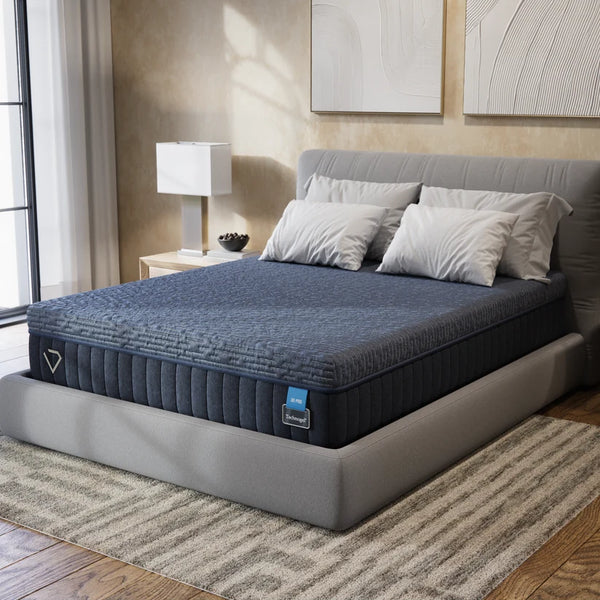
Hybrid mattresses pair comfort layers with a supportive spring or coil system. Many shoppers love hybrids because they combine pressure relief with a more breathable, responsive feel. If you want a balance of comfort and lift, hybrids are often a strong choice.
Natural and organic choices
Natural and organic mattresses can be a great option if you prefer thoughtfully sourced materials and a “clean” feel. Always compare construction, not just marketing words. Focus on comfort layers, support durability, and whether the design fits your sleep needs.
Want to compare specific styles in one place? Explore options like a cooling hybrid at The Sleep Loft, and use your priorities list to decide what feels right.
When to Choose Based on Temperature and Movement
Some shoppers only realize temperature and movement issues after they buy. A smart mattress comparison guide helps you catch those factors early.
- Temperature control: If you wake up sweaty or feel overly warm, prioritize breathable builds, cooling comfort features, and materials that help heat escape.
- Motion isolation: If you share the bed, look for designs that absorb movement. You want your partner’s shifts to stay local.
- Responsiveness: If you change positions often, you’ll want a mattress that moves with you instead of feeling stuck.
- Edge stability: If you use the edge to sit, or if you sleep near it, choose a mattress that holds its shape at the perimeter.
This is also where customer experiences help. While every body is different, repeated themes like “stays cooler,” “less partner disturbance,” or “better morning comfort” can guide you toward the right construction.
Your Quick Comparison Checklist
Use this checklist while you compare. It keeps the process simple and prevents decision fatigue.
- Comfort feel: Do you want more contour or more lift?
- Pressure relief: Are shoulders and hips supported without hard spots?
- Support stability: Does the bed prevent excessive sink?
- Temperature: Will heat move away from your body during the night?
- Motion isolation: Will you stay asleep if your partner moves?
- Edge support: Does the bed feel usable from head to edge?
- Durability: Does the construction look designed for long-term support?
If you want a practical starting point, compare a couple of options across different builds. For example, try a cooling hybrid such as Sapira Chill Hybrid if you prioritize airflow and a balanced feel. If you prefer a natural direction, browse models like Luxury Organic to see whether natural comfort aligns with your needs.
For shoppers who want a classic all-around balance, you can also review DreamCloud Premier Hybrid to compare how a hybrid comfort layer feels against a supportive core.
Best Next Step: Shop Smarter with The Sleep Loft
After you compare, buying should feel straightforward. The Sleep Loft Showroom is ready for you to try your favorite online beds before you buy. Conveniently located in New York & New Jersey, with an easy-to-find spot and ample parking, you can test comfort in a calm environment rather than rushing through guesses.
If you want help choosing between a few winners, focus on your top priorities list and start narrowing from there. Then use your comparison checklist to confirm the details that matter most for your sleep.
Call to action: Visit The Sleep Loft to explore your best-fit mattress options, compare comfort styles, and feel the difference for yourself. New location at 1056 3rd Avenue, New York, NY.
FAQ Section
How long should a mattress feel good before I decide it’s the right one?
Most people need time to notice changes in pressure relief and comfort after fully settling into the first few nights. Compare comfort feel and support during real sleep patterns, and use your priorities list as a guide. If a mattress doesn’t support your comfort goals after a reasonable adjustment period, it may not be the right match.
Is a mattress comparison guide better than reading customer reviews?
Reviews help, but they often describe personal preferences. A comparison guide organizes the factors that cause those experiences, such as support stability, pressure relief, temperature behavior, and motion isolation. When you use both, you get a clearer picture of what you’ll likely feel.
What’s the safest approach if I’m between firmness levels?
Instead of choosing a label, compare how the mattress handles your most important problem. For example, if you want less pressure, choose contouring that still maintains spinal support. If you sink too much, choose a design with firmer support stability. Your body position and comfort priorities should drive the final decision.
Summary & Final Thoughts
A mattress comparison guide helps you shop with confidence by focusing on what truly affects your sleep: comfort feel, support stability, temperature control, and movement behavior. Once you match those factors to your sleep style, the right option becomes much easier to find. If you want the fastest path to a better night’s rest, bring your priorities list to The Sleep Loft and feel the difference in person.
Next step: Explore your top options at The Sleep Loft and choose a mattress that supports your nights, not just your checkout moment.
About the Author Section
The Sleep Loft - Online Mattress Showroom shares practical guidance for mattress shopping, with topic expertise in comfort matching, construction basics, and choosing the right fit for real sleep. Our team is focused on helping you compare clearly and shop with confidence. Thanks for reading, and we hope you find the mattress that makes mornings feel easier.
Disclaimer: This article is for general informational purposes only and does not replace professional medical advice. Comfort preferences vary by person, so results may differ. Always review product details and return policies before purchasing.
The content in this blog post is intended for general information purposes only. It should not be considered as professional, medical, or legal advice. For specific guidance related to your situation, please consult a qualified professional. The store does not assume responsibility for any decisions made based on this information.