
Updated on: 2026-05-22
Buying a mattress online can feel uncertain without live testing. This guide explains how to use fitting routines and return policies to choose with confidence. It also lists mattress brands to try before you buy, with practical tips for comfort, support, and temperature control. You will finish with clear recommendations and a checklist you can use in-store or at a showroom.
1. Why “Try Before You Buy” Changes the Outcome
2. What to Check During a Mattress Test
3. Common Challenges When Testing Mattresses
4. Comparison of Popular Options
Why “Try Before You Buy” Changes the Outcome
Choosing a mattress is not only about brand recognition. It is about how your body fits the materials and how you sleep in your real routines. The phrase mattress brands to try before you buy matters because feel and support are highly personal. Two people can sleep on the same firmness setting and report very different comfort. A showroom test reduces this risk by letting you compare firsthand.
It also prevents a common pattern: selecting based on marketing language rather than sleep experience. When you lie down, you can evaluate pressure relief, spinal alignment, and airflow. You can also notice whether the surface feels responsive or slow to return. These details are hard to infer from specifications alone.
At The Sleep Loft Showroom, the focus is simple: you can try multiple beds in one visit. You can compare foams, hybrids, and natural comfort layers without guessing. The location in Jersey City is convenient, with ample parking and an easy-to-find setup at 338 2nd Street.
What to Check During a Mattress Test
A successful test is structured. Plan a short sequence so you evaluate the same factors each time. Start with your preferred sleeping positions and spend enough time to notice your comfort trends.
1) Pressure and comfort in your main contact points
Your shoulders and hips usually carry the highest pressure load. Lie in your typical position and pay attention to how the surface responds under those areas. A mattress should feel supportive without creating a “bottoming out” sensation. If you feel sharp pressure, the comfort layer may be too firm or poorly matched to your body shape.
2) Support and alignment across the spine
For back sleeping, your midsection should not sink too far. For side sleeping, your shoulders and hips should sink enough to relieve pressure while keeping your spine roughly straight. For stomach sleeping, excessive sink can strain the lower back. During your test, shift slightly and observe whether your body stays centered.
3) Edge support and ease of getting in and out
Edge support matters for sitting, standing, and for couples who sleep near the border. Press your hands or sit near the edge and evaluate whether the perimeter feels stable. If the edge feels unstable, you may lose usable sleep space.
4) Temperature and airflow perception
Temperature comfort is influenced by cover materials, airflow, and how quickly the mattress returns to shape. If you feel heat buildup during your test, the surface may not be ventilated enough for your needs. This becomes more relevant if you sleep warm or use heavy blankets.
5) Motion isolation and partner comfort
Even in single-person households, motion control can improve sleep quality. If you share your bed, test by shifting positions and noticing whether movement travels across the surface. Hybrid builds often vary in how they manage motion, so comparison is valuable.

People test posture, pressure points, and edge stability
3. Common Challenges When Testing Mattresses
Testing is helpful, but it is not always straightforward. Several challenges can lead shoppers to misjudge a mattress during a short in-store session. The solutions are practical and grounded in repeatable evaluation methods.
Challenge 1: Misreading firmness on a floor model
Many customers focus on firmness alone. However, firmness rating is not a direct proxy for comfort. Comfort depends on layering, fill density, and support mechanics. A medium mattress can feel supportive or too springy depending on the materials.
Solution: Compare comfort and support as a pair. Spend time in your main position and test your tolerance to pressure. When you compare two beds, focus on how your shoulders and hips feel after you stop moving.
Challenge 2: Short sessions do not reveal the full comfort pattern
A few minutes can highlight pressure relief, but it might not show how your body settles after a longer rest. You may also feel a “first impression” comfort that changes as you still your muscles.
Solution: Use a repeatable routine. Try 5 to 8 minutes per bed, then repeat a brief check after you shift posture. Your goal is to capture both the initial feel and the settled feel.
Challenge 3: Couples have different sleep preferences
Couples often need both pressure relief and motion control, but they may prefer different firmness. One partner may prioritize sinking comfort, while the other may prioritize spinal alignment and stability.
Solution: Test for motion and edge stability. Place one person in the primary side position and the other in the position they use most. Confirm that each sleeper feels supported without excessive roll together.
Challenge 4: Temperature comfort varies by time of day
Heat sensitivity differs between individuals. Even if you feel comfortable in-store, you may experience heat buildup at home, especially if you sleep in a warmer room.
Solution: Prioritize airflow design cues. Look for breathable covers and ventilated structures. If you sleep hot, add a temperature-focused comparison: feel how the surface responds after you lie still for several minutes.
Challenge 5: Brand marketing overshadows real fit
Customers may assume that a popular brand is automatically the best choice. Yet different mattress brands can use similar words while producing distinct sleep experiences.
Solution: Treat brand as a starting point only. Base your final choice on your fit test: pressure, support, motion, and temperature. If you are unsure, test multiple options in one session and compare side-by-side.
4. Comparison of Popular Options
Below is a practical comparison approach. It is not a ranking. Each option can be suitable depending on your sleep position, weight range, and comfort preference.
Quick pros and cons guide
| Type and example brands | Pros for many sleepers | Potential drawbacks to test |
|---|---|---|
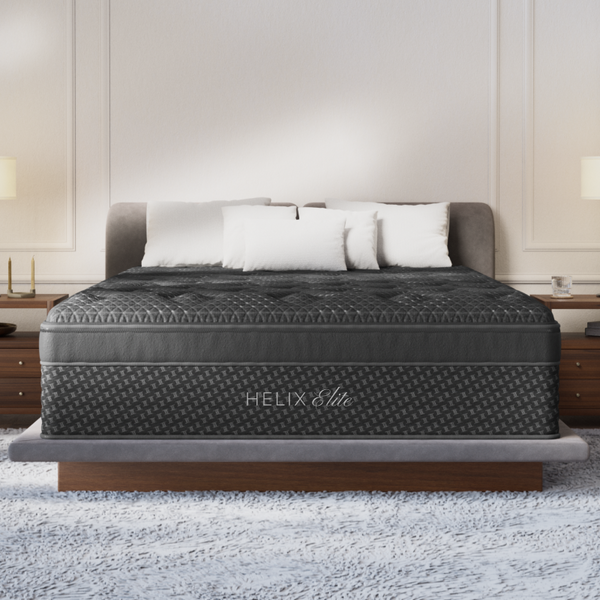
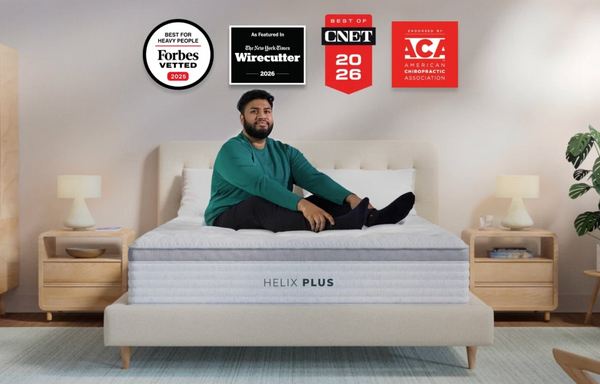
| Hybrid comfort (e.g., Helix collections) | Often balanced support and airflow; generally good motion control | Some feels may be springier; edge support varies by model |
| Organic and natural comfort builds | Breathable materials; strong surface feel for many | Firmness perception can differ; confirm pressure relief for side sleeping |
| Cool-feel hybrid and targeted cooling models | Temperature comfort focus; responsive surface | Test motion transfer if you share; comfort depth can vary |
| Foam and adaptive comfort options | Often strong pressure relief; quiet feel | Heat retention can be an issue for some; confirm airflow and surface response |
To help you create a short list, consider trying a mix of hybrid and natural or foam-focused constructions. If you want to compare specific models online after your showroom test, you may review options such as:
Do not treat these links as a substitute for a fit test. Use them as a continuity step after you confirm what you like in person.

Decision chart comparing support, motion, and temperature
5. Summary & Recommendations
The most effective way to choose mattress brands to try before you buy is to align your body needs with the right construction type. Use your showroom time to evaluate pressure relief, spinal support, edge stability, motion transfer, and temperature comfort. A mattress that feels comfortable immediately can still fail after you settle, so include a brief repeat check in your routine.
When comparing options, keep your criteria consistent. Avoid switching priorities between beds. If you sleep on your side, emphasize shoulder and hip comfort while maintaining alignment. If you sleep on your back, validate midsection support and prevent excessive sink. If you sleep on your stomach, ensure the surface does not push your lower back upward.
If you share the bed, motion isolation and edge stability become even more important. A mattress can feel excellent for one sleeper but create partner disturbance through movement transfer. Test together and focus on how you both feel after you stop moving.
For comfort continuity, consider reviewing models online after your in-person comparison. If you prefer a hybrid feel, compare multiple hybrid options. If you prioritize natural comfort, validate how the materials perform for your pressure points. If you prefer foam, confirm the temperature and response characteristics during your test.
6. How to Build a Shortlist Near New York and New Jersey
Many shoppers want to try beds without making multiple long trips. A practical approach is to build a short list before you visit and then test only those options. Start with your sleep position and your top two priorities: comfort depth, support stability, cooling feel, or motion control. Then select a small set of beds that cover different construction types.
The Sleep Loft Showroom is designed for this exact workflow. You can try multiple beds in one location and compare their feel. The showroom is conveniently located in New York and New Jersey, with an easy-to-find address at 338 2nd Street, Jersey City, and ample parking. This reduces friction in the decision process and supports confident selection.
If you want to continue your research after the visit, you can browse and compare product details on the official site. For example, you may review:
- Deluxe Chill Hybrid Mattress
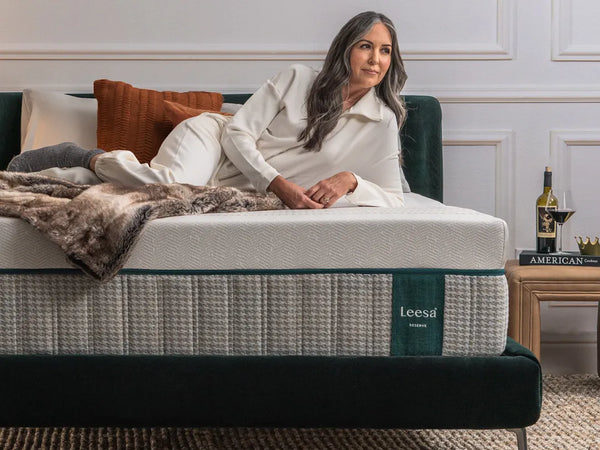
- Leesa Reserve Hybrid
- Eco Organic Mattress
- DreamCloud Premier Hybrid Mattress
Always remember: the best mattress is the one that matches your comfort needs. Online descriptions can help you understand construction, but live testing is where you confirm your fit.
7. Q&A
How many mattresses should I try before deciding?
Most shoppers make a strong decision after trying three to six mattresses. Try a small range that covers different constructions, such as hybrid and foam, while keeping your main testing criteria consistent. If you feel torn, you can narrow further by retesting the top two and repeating your posture checks.
What is the best position to test for side sleepers?
Side sleepers should test their primary side posture and include a brief check after settling. Focus on shoulder pressure relief and hip comfort without excessive sink. If your spine feels curved or your shoulder feels compressed, adjust your selection by testing a different comfort depth or firmness range.
Do mattress brands to try before you buy depend on weight or body type?
Body fit matters because cushioning depth and support response can feel different across weight ranges. Instead of relying only on firmness labels, evaluate how your body settles in your common sleeping position. Edge support and midsection alignment often reveal fit issues quickly during a showroom test.
How can I judge temperature comfort during a short in-store visit?
You can start with how the surface feels after you stop moving for several minutes. Also pay attention to airflow cues in the construction and cover. If you sleep warm, compare options with ventilation-focused designs and prioritize how quickly the mattress feels comfortable during your test.
8. About the Author
The Sleep Loft - Online Mattress Showroom
The Sleep Loft - Online Mattress Showroom specializes in helping customers choose the right mattress through guided comparison and practical in-store testing. The team focuses on comfort fit, material performance, and sleep-position matching rather than vague marketing language. Visit the showroom to try your preferred options before you commit, and close the gap between online research and real sleep feel. Our New location at 338 2nd Street, Jersey City, is designed for an easy experience with ample parking and clear access.
Disclaimer: This article is for general informational purposes only and does not provide medical advice. Individual comfort needs vary by person, and results from mattress testing may differ based on body shape, sleeping habits, and personal preference. Always review the retailer’s policies and product details before purchase.
The content in this blog post is intended for general information purposes only. It should not be considered as professional, medical, or legal advice. For specific guidance related to your situation, please consult a qualified professional. The store does not assume responsibility for any decisions made based on this information.