

Updated on: 2026-10-11
A hypoallergenic mattress can support a cleaner sleep environment by reducing the factors that often trigger irritation. The right materials, a well-designed cover, and good ventilation all matter more than marketing language. In this guide, you will learn what features to prioritize, how to evaluate common claims, and how to match a mattress to your sensitivities. You will also find practical buying steps and answers to frequently asked questions.
Product Spotlight
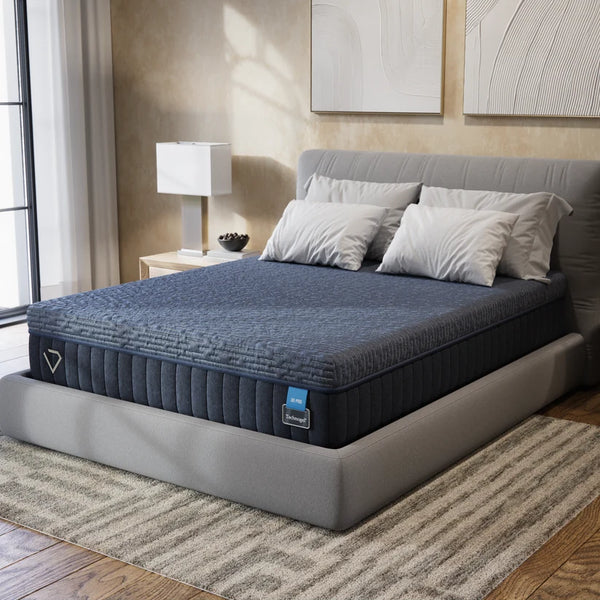
If you are exploring a hypoallergenic mattress approach that also targets comfort and temperature control, consider the Helix Twilight Luxe. This model is built with a cooling cover designed to help manage heat at the surface. It is intended for shoppers who want a more breathable sleep feel without sacrificing the layered comfort that many people prefer. When you evaluate options, focus on how the cover works with your climate and bedding routine.

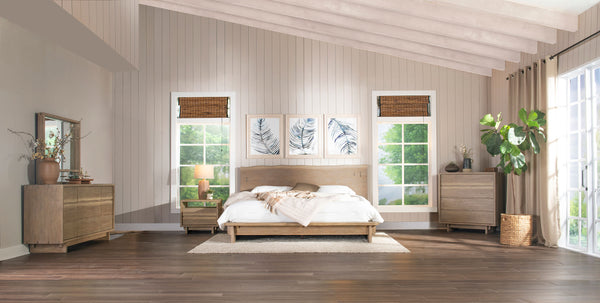
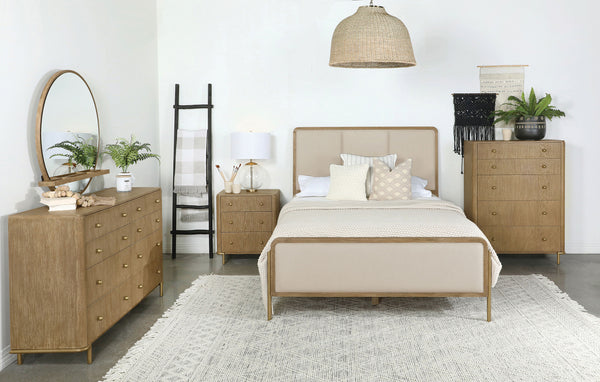
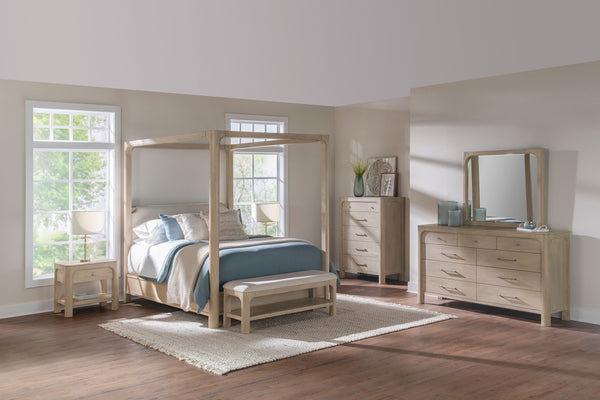
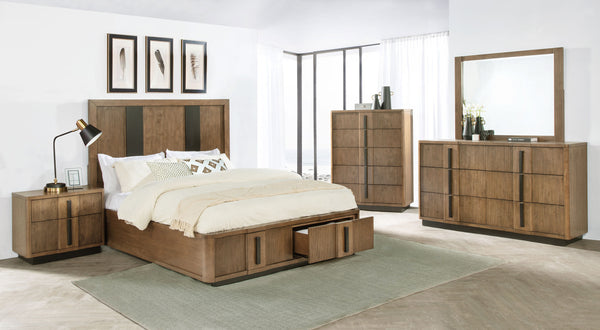
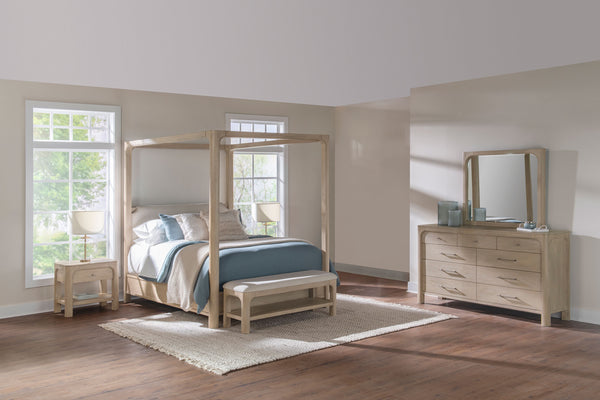
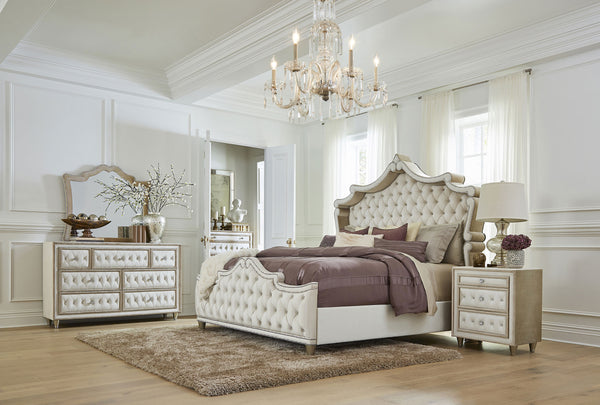
Bedroom fabric layers symbolizing breathable, hypoallergenic care
To compare product-level details and comfort structure, you can review options through The Sleep Loft’s collection pages. One model worth examining is the following:
Helix Twilight Luxe
Helix Twilight Luxe
What a Hypoallergenic Mattress Should Do
The goal of a hypoallergenic mattress is straightforward: help create fewer irritants in the sleep environment. This usually means reducing exposure to dust and supporting a surface that stays cleaner and more breathable. Many issues people associate with “allergies” during sleep come from the bedroom ecosystem, including bedding that traps particles, moisture that encourages microbial growth, and materials that shed or compress in a way that makes cleaning harder.
When a mattress is designed for sensitivities, it typically emphasizes tight construction, better airflow, and covers that are easier to keep fresh. It does not replace good hygiene habits, but it can reduce the number of variables that you need to manage.
Myths vs. Facts
Myth: A hypoallergenic mattress eliminates allergens completely.
Fact: No mattress can guarantee zero allergens. However, a well-designed sleep system can reduce the amount of dust that accumulates and help you maintain cleaner conditions through easier care and ventilation.
Myth: Natural materials are always hypoallergenic.
Fact: Natural does not automatically mean non-irritating. Sensitivity varies by person, and the safest approach is to match material choices with how you react, how the cover is constructed, and how often you launder bedding.
Myth: A mattress label is enough to protect you.
Fact: Labels are starting points. You should review the cover design, layer composition, and maintenance recommendations. A mattress may be marketed as hypoallergenic, but performance depends on build quality and day-to-day upkeep.
Key Features to Look For
Not every hypoallergenic mattress is built the same way. Use this checklist to evaluate options in a structured manner.
- Encapsulation-style cover or tight stitching: Look for covers that limit particle transfer and keep fibers more contained.
- Moisture-resistant or breathable top layer: A surface that manages humidity can help reduce conditions that worsen odor and irritation.
- Stable support layers: A mattress that maintains structure can reduce sagging, which makes cleaning and bedding fit more consistent.
- Low-shedding components: Materials should be tightly bound and designed to minimize loose debris.
- Ease of cleaning: If the cover can be wiped or laundered according to instructions, maintenance is more reliable.

Checklist visuals for cover, airflow, and maintenance priorities
How to evaluate “hypoallergenic” claims
When you compare products, prioritize details over broad phrases. A credible description often points to construction choices, barrier layers, and practical care guidance. If a listing avoids specifics, treat it as a marketing statement rather than a performance spec.
Materials and Covers That Reduce Irritation
Material selection shapes how a mattress interacts with heat, moisture, and airborne particles. While personal sensitivity varies, these design themes are commonly used in better-performing hypoallergenic mattress setups.
Breathable covers and cooling textiles
A surface cover that supports airflow can help reduce the sensation of trapped heat. Over time, less heat buildup can improve sleep comfort, which may indirectly influence how often you adjust bedding. If you sleep in a warm room or sweat at night, consider a cover that targets temperature regulation. Surface comfort also affects whether you keep your bedding routine consistent.
Foams and layer stability
Many mattresses use layered foam systems. For allergy-prone sleepers, the key consideration is not only material type, but also the construction density and how the foam is enclosed. Better encasement can reduce the release of fine particles. Stability matters as well. A mattress that holds its form helps prevent uneven compression, which can create pockets where dust collects.
Organic and performance-driven choices
Some shoppers prefer organic or eco-forward materials. These may appeal because of sourcing values and perceived natural feel. Still, a hypoallergenic mattress should be assessed on construction and maintainability, not only on origin. If you want to explore organic-leaning options, you can review additional collections on The Sleep Loft site.
For example, shoppers who prioritize organic materials may review:
Care, Covers, and Maintenance
A hypoallergenic mattress works best when paired with routine maintenance. Even the best build quality cannot stop all dust exposure from everyday movement and bedding changes.
Use the right encasement and protectors
Many people benefit from mattress protectors that are designed to be breathable and easier to clean. The goal is to reduce direct contact between your body and the sleeping surface while also simplifying washing routines. Select a protector that fits securely and does not bunch, because wrinkles can trap debris.
Launder bedding on a consistent schedule
Sheets, pillowcases, and duvet covers are where most cleaning impact comes from. Wash these items using the method recommended on labels. If you have sensitivities, consider laundering more frequently and using breathable fabrics that do not hold odors.
Keep airflow moving in the bedroom
Moisture management is a practical strategy. If you sleep in a humid environment, maintain proper ventilation in the room and allow bedding to dry fully. If your mattress has a removable cover, follow care instructions exactly. For mattress bases and frames, ensure there is adequate airflow under the bed.
Avoid harsh treatments that can damage fabric
Strong chemicals can affect fabric integrity and may create lingering odors. Instead, use cleaning methods that match the manufacturer guidance. When in doubt, start with gentle surface care and maintain your cleaning schedule rather than relying on aggressive spot treatments.
What to Expect After Switching
When you move to a hypoallergenic mattress approach, comfort and cleanliness may improve gradually. The timeline depends on your existing bedding routine, room humidity, and how frequently you clean the surrounding textiles.
- Comfort adaptation: A new mattress changes the way your body distributes weight, which can affect pressure relief and sleep posture.
- Reduced irritant contact: If you use a fitting protector and wash bedding consistently, your exposure to dust accumulation typically decreases.
- Cover behavior: Cooling or breathable covers can change how warm you feel during the night, especially during seasonal shifts.
It is also normal for a mattress to feel different in the first days while the bedding settles. Focus on comfort basics: consistent bed making, proper bedding fit, and room ventilation.
Frequently Asked Questions
Are hypoallergenic mattresses suitable for people with sensitive skin?
They can be, but suitability depends on your personal sensitivity. Look for tight covers, breathable materials, and straightforward care instructions. A mattress protector and frequent bedding washing usually matter as much as the mattress itself.
Do hypoallergenic mattresses work without an allergen-proof protector?
Many shoppers notice improvements with only a mattress change, especially when the build reduces dust transfer. However, a protector adds an additional barrier and makes cleaning more consistent.
How long does it take to notice improvements?
Some people notice comfort changes immediately. Others see the clearest improvements after adjusting bedding routines and maintaining consistent ventilation. The more disciplined your cleaning schedule, the sooner results typically become apparent.
Final Recommendations
To choose a hypoallergenic mattress with confidence, start with a practical framework:
- Match construction to your needs: prioritize tight covers, stable layers, and materials designed to limit particle release.
- Support the system with bedding: use a well-fitting protector and wash linens on a consistent schedule.
- Confirm comfort and temperature fit: choose a cover style that suits your room conditions and sleep habits.
- Test in a showroom when possible: Comfort should be verified, not assumed from specs alone.
The Sleep Loft showrooms in NY and NJ let you try top online mattress brands before you buy, with easy parking. The new location is 1056 3rd Ave, NYC. You can also review product details online and choose the option that fits your comfort goals and sensitivity preferences.
For any final decision, review store policies: a 365-night trial with one free comfort exchange is available. Refunds apply only on unopened mattresses, and furniture, adjustable bases, and accessories are final sale.
Q&A Section
What should I check on the mattress before purchasing?
Focus on cover design, layer encasement, and care instructions. Look for information that explains how dust and particles are contained, how the top surface manages moisture, and how you should clean the cover. If details are limited, treat broad claims as less reliable.
Can cooling features help with allergy-related discomfort at night?
Cooling features usually address temperature comfort rather than allergy causation. However, better temperature control can reduce sweating and nighttime disruptions, which may support a cleaner bedding routine. When you sleep more consistently, it becomes easier to keep linens fresh and your sleep environment stable.
Should I choose foam, hybrid, or latex for a hypoallergenic mattress plan?
The best choice depends on how each material is built and enclosed. Hybrid designs can offer airflow and comfort variety, while foam-based systems often provide supportive, layered feel. Latex can offer a distinct support profile. Your priority should be construction quality, tight encasement, and how the mattress behaves with your bedding protector and cleaning habits.
About the Author
The Sleep Loft - Online Mattress Showroom
Our team at The Sleep Loft - Online Mattress Showroom specializes in helping customers select sleep systems that balance comfort, durability, and practical maintenance. We focus on how mattress construction and cover design affect everyday hygiene and temperature comfort. If you want expert guidance, you can visit our showrooms or review product details online. Thank you for reading, and we wish you restful, consistent nights.
Disclaimer: This article is for general informational purposes and does not provide medical advice. If you have a diagnosed allergy or skin condition, consult a qualified healthcare professional for personalized guidance.
The content in this blog post is intended for general information purposes only. It should not be considered as professional, medical, or legal advice. For specific guidance related to your situation, please consult a qualified professional. The store does not assume responsibility for any decisions made based on this information.