
Updated on: 2026-05-30
A hybrid mattress combines comfort layers with a supportive coil system. This design often improves airflow and helps the bed maintain its shape over time. Many shoppers choose a hybrid because it can balance pressure relief and responsive movement. In this guide, you will learn how to compare hybrid options, avoid common mistakes, and select the right feel for your sleep style.
2. Key Benefits of a Hybrid Mattress
3. How a Hybrid Mattress Is Built
4. Choosing the Right Feel (Firmness and Support)
What Is a Hybrid Mattress?
A hybrid mattress is a sleep system that blends foam or latex comfort layers with an internal support core, typically made of pocketed coils. The comfort layers cushion the body, while the coil system adds structure, breathability, and movement. Many people start their search because they want a surface that feels supportive yet comfortable, especially when they change sleep positions during the night.
Compared with all-foam beds, a hybrid mattress often manages heat better due to airflow paths around coils. Compared with all-innerspring designs, a hybrid mattress frequently offers a smoother pressure-relieving feel because foam or latex layers contour to the body. This balance is why hybrid models are widely recommended for a wide range of sleep preferences, including side, back, and combination sleepers.
Key Benefits of a Hybrid Mattress
The main reason shoppers consider a hybrid mattress is the combination of comfort and support. Foam layers can reduce pressure points, while coils can distribute weight more evenly. Many hybrids also offer a more resilient surface, which can help you get in and out of bed with less sink-in.
Another benefit is airflow. A coil core creates channels that encourage heat to move away from the body. This can be especially useful if you tend to sleep warm, use heavier bedding, or live in a climate where indoor temperatures fluctuate. The result is often a cooler and more consistent sleep surface.
Hybrid designs may also help with edge support. When the perimeter includes reinforced coils or structured support, the mattress can feel more stable near the sides. This can matter for couples, people who sit on the edge while getting ready, and anyone who prefers a larger usable sleep area.

Diagram showing airflow channels through coil support
How a Hybrid Mattress Is Built
Hybrid mattresses usually follow a layered construction. While the exact materials vary by brand, a typical build includes three parts: comfort layers, transition layers, and a coil support core. Comfort layers may be made from memory foam, polyfoam, latex, or specialty foams. Transition layers often sit between comfort and coils to manage firmness and reduce the feeling of coil texture.
The coil core is the technical heart of many hybrids. Pocketed coils are commonly used because each coil can move independently. That independence may help with pressure relief for hips and shoulders while still providing a stable overall base. Some models also use support coils in different zones, such as extra reinforcement around the lower back.
Cover materials also matter. A breathable cover can support the airflow benefits of coils. Some covers include cooling or moisture-wicking fabrics designed to improve comfort during the night. You should treat these features as part of an overall system rather than a single solution for temperature control.
Choosing the Right Feel (Firmness and Support)
Choosing the right hybrid mattress often starts with firmness. Firmness is not a single number across brands. It is influenced by foam type, coil gauge, coil count, and how thick each layer is. A medium feel in one model can feel firmer or softer than another model labeled the same way.
Side sleepers generally benefit from comfort layers that allow the shoulders and hips to sink enough to reduce pressure. A hybrid mattress with a responsive, contouring top layer can help maintain spinal alignment. Back sleepers often need steady support across the lower back with less sink. They usually do well with medium to medium-firm configurations that keep the pelvis from dropping.
Combination sleepers need a balance of cushioning and responsiveness. The goal is a surface that stays supportive when you change positions. Many hybrid mattress shoppers prefer a surface that supports quick movement without excessive deep sink. If you share a bed, motion transfer also becomes a factor. Pocketed coils can reduce motion spread, while thicker comfort layers can further limit top-layer movement.
Weight can change the way a mattress feels. Heavier sleepers may experience more compression, which can make a medium hybrid mattress feel softer than expected. Lighter sleepers may feel more of the coil responsiveness and may prefer comfort layers that offer extra contouring.
For evaluation, use a structured approach. First, identify your primary sleep position. Second, decide your target firmness range. Third, test for pressure relief and edge stability. Finally, check how your body reacts after 10 to 15 minutes of lying still. You should aim for comfort without feeling stuck, and you should avoid pressure that builds quickly.
Product Spotlight
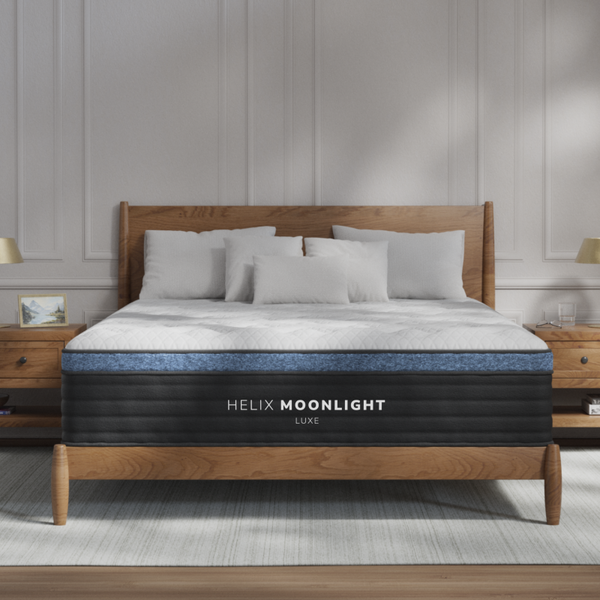
One hybrid mattress option that many shoppers consider for its balance of support and comfort is the Deluxe Chill Hybrid Mattress. This style is built for sleepers who want a breathable feel and responsive support, without sacrificing the cushioning needed for pressure relief. When comparing hybrids, focus on coil support, top-layer responsiveness, and the overall height, because these elements shape how the mattress feels across different sleep positions.
Helix Plus Elite

If you want a more targeted recommendation for support, the Helix Plus Elite is positioned for a supportive and comfortable sleeping experience. When you evaluate a hybrid mattress for your needs, consider how thick the comfort and transition layers are, because they influence how the surface responds to body weight and movement.
What to Look For in Any Hybrid Mattress
Coil type and support zoning: Pocketed coils can offer structured support and improved motion control.
Comfort layer material: Memory foam can contour more slowly, while latex can feel more responsive. Specialty foams can offer a middle ground.
Edge support: Reinforced perimeter support often improves stability when you use the bed edge.
Breathability: A breathable cover and open coil structure may help manage heat.
Motion performance: Couples often benefit from reduced movement transfer between sides.

Layer cross-section with comfort, transition, coil zones
Myths vs. Facts About Hybrid Mattresses
Myth: A hybrid mattress is always cooler than an all-foam mattress.
Fact: Breathability depends on multiple factors, including cover fabric, foam density, and how the internal structure promotes airflow. Many hybrids have an advantage due to coil channels, but temperature performance is still a system-level outcome.
Myth: All hybrid mattresses feel the same because they use coils.
Fact: Coil count, coil gauge, foam thickness, and the firmness of comfort layers vary widely. Two hybrids can feel very different, from plush contouring to more supportive, medium-firm experiences.
Myth: A firmer hybrid mattress will always reduce discomfort.
Fact: Comfort and support must match your body and sleep position. Side sleepers often need cushioning to reduce pressure. Back sleepers often need stable lumbar support. A hybrid mattress should fit your pressure relief needs first, then your desired firmness.
Myth: Motion transfer is the same across hybrids and innersprings.
Fact: Pocketed coil designs typically reduce motion spread. Comfort layer placement can also affect how easily you feel movement when a partner shifts positions.
Frequently Asked Questions
How long should a hybrid mattress last? Many well-constructed hybrid mattresses are designed to provide long-term comfort. The lifespan depends on materials, proper use, and consistent support. Using a suitable base and rotating the mattress when recommended can help maintain performance.
Do hybrid mattresses work for both side and back sleeping? Yes. A hybrid mattress can support different sleep positions when the comfort and support layers are selected appropriately. Side sleepers typically benefit from more contouring, while back sleepers often need steadier support under the lower back.
Are hybrid mattresses good for couples? Many hybrids are designed for shared sleep because coil cores can reduce motion transfer and provide stable support. You should also consider edge support if both partners sit near the perimeter.
Can a hybrid mattress be too firm? Yes. If the comfort layer is thin or firm, a hybrid may feel harsh for pressure-prone areas. Firmness selection should align with your body type and primary sleep position.
Final Recommendations
Start by identifying your sleep position and comfort priorities. If you sleep on your side and feel pressure in your shoulders or hips, prioritize a hybrid mattress with a comfortable top layer and a transition layer that reduces harshness. If you sleep primarily on your back, look for a model that supports the lower back while staying stable under the pelvis.
Next, evaluate responsiveness. Combination sleepers and frequent position changers often prefer a hybrid with a responsive feel that allows easier movement. If you share the bed, motion control becomes important, so favor pocketed coil designs and balanced comfort layers.
Then, test the edge stability. A hybrid mattress with reinforced perimeter support can feel more usable and comfortable, especially if you sit on the edge while getting dressed. Finally, choose materials you will tolerate long-term. If you prefer an environmentally minded option, consider organic latex and natural fiber comfort layers in models designed for breathable sleep.
If you want to compare additional hybrid options from The Sleep Loft, you can explore Sapira Chill Hybrid Mattress or DreamCloud Premier Hybrid Mattress. The goal is not to find the most popular option. The goal is to find the option that matches your body and sleep habits.
For shoppers in New York and New Jersey, The Sleep Loft Showroom is ready for you to try your favorite online beds before you buy. Conveniently located in New York & New Jersey, the mattress store offers a large, comfortable space with ample parking and an easy to find, convenient location. Our new location at 338 2nd Street, Jersey City can help you confirm the feel of your chosen hybrid mattress in person.
Q&A Section
What is the difference between a hybrid mattress and a foam mattress?
A foam mattress relies entirely on foam layers for comfort and support. A hybrid mattress uses foam or latex comfort layers plus a coil support core. This often improves airflow and can change how the bed responds to movement.
Will a hybrid mattress work for hot sleepers?
Many hot sleepers prefer hybrid mattresses because the coil structure can promote airflow. However, comfort temperature also depends on cover fabric and the density of foam layers. Selecting a breathable cover and an appropriate comfort thickness can support cooler sleep.
How do I know if a hybrid mattress has enough support?
A well-supported hybrid should feel stable when you lie on your back and should not cause your hips to sink too far. When you lie on your side, your shoulders and hips should feel cushioned rather than compressed. If you notice rapid discomfort, the firmness balance may not suit your body.
Do hybrid mattresses reduce motion for couples?
Many hybrids reduce motion transfer due to pocketed coils that move independently. The comfort layer also plays a role because thicker, well-designed foams can dampen surface movement.
About the Author Section
The Sleep Loft - Online Mattress Showroom is an informed, customer-focused mattress authority that helps shoppers choose based on comfort, support, and fit. Our team expertise includes evaluating mattress construction, comparing feel profiles, and guiding customers through practical selection criteria. We encourage readers to prioritize personal testing and to choose a hybrid mattress that matches their sleep style. You are welcome to visit and explore options in person for a more confident purchase decision.
Disclaimer: This article is for general educational purposes and does not provide medical advice. Individual results vary based on body type, sleep habits, and product configuration. Always follow manufacturer instructions for setup, support foundations, and care.
The content in this blog post is intended for general information purposes only. It should not be considered as professional, medical, or legal advice. For specific guidance related to your situation, please consult a qualified professional. The store does not assume responsibility for any decisions made based on this information.