

Updated on: September 13, 2026
If you sleep hard, host guests often, or share your bed with kids or pets, you need a mattress that can take daily pressure. A durable mattress for heavy use should keep its shape, support your body, and stay comfortable night after night. The right build also helps reduce sagging so you can wake up with less stiffness and fewer “bottoming out” moments. In this guide, you will learn how to choose one, what features matter most, and which options from The Sleep Loft make the decision easier.
Table of Contents
How to Choose a Durable Mattress for Heavy Use
Shopping for a durable mattress for heavy use gets easier when you focus on the parts that matter: support, materials, and construction. Heavy sleepers and high-traffic households create more stress during the night, and the mattress must handle repeated force without losing its comfort.
Start with the right support system
Look for a strong internal support core that limits sagging. In many well-built mattresses, dense coils and reinforced layers help maintain alignment. If you feel the bed “give” too much when you sit or change positions, that is a sign the support is not built for long-term heavy use.
When possible, choose designs that spread weight more evenly across the surface. Better distribution often means less pressure buildup and fewer dips over time.
Choose comfort layers that resist long-term wear
Support is only half the story. Comfort layers control how the mattress feels when you lie down, and they can also affect how quickly the bed softens. For heavy-use needs, aim for layers with good resilience—materials that bounce back after movement rather than flattening permanently.
Medium-firm and firm comfort levels often work well for people who want stable support. Still, comfort depends on your sleep style, so use these ranges as a starting point, not a rule.
Check firmness with a “movement test” in mind
Heavy-use mattresses should feel steady when you roll, sit at the edge, or shift throughout the night. When you test a mattress, focus on these moments:
- How it feels when you sit near the edge
- How the surface responds when you turn onto your side
- Whether you feel a quick “sink” or a gradual, supportive feel
If you notice quick sinking, the mattress may not hold up as well under consistent pressure.
Prioritize breathable materials for cooler sleep
Durability and comfort go together. A breathable build can help regulate temperature, which is important because overheating can lead to more tossing and turning. More movement means more stress on the mattress. When you sleep cooler and more comfortably, you also reduce unnecessary strain.
Look for features that promote airflow, especially in hybrid builds.
Match the mattress to your home and routine
Consider how the mattress will be used. Frequent guests, kids who jump on the bed, or pets who share the sleep space all raise wear levels. A mattress designed for heavy use should be able to handle these patterns without losing support fast.

Weight distribution visuals with stable, even support
Key Advantages of a Heavy-Use-Ready Mattress
A durable mattress for heavy use is not just about lasting longer. It also improves everyday comfort, sleep quality, and convenience. Here are the benefits most shoppers notice when they choose a stronger build.
- Less sagging over time helps the bed stay supportive, so you do not feel trapped in a worn-out dip.
- Better edge stability supports sitting and getting in and out of bed, which is useful for daily routines.
- More reliable pressure relief means fewer sore spots when you change positions during the night.
- Consistent feel across seasons because resilient materials tend to maintain comfort even as temperature changes.
- Improved motion isolation on many hybrid and layered designs, which can help if you share the bed.
When a mattress holds its shape, you sleep more evenly. That often leads to better rest and fewer wake-ups caused by discomfort.
Real-Life Use Cases That Need Extra Durability
Heavy-use durability shows up in real households. If your mattress must work hard, you will benefit from a construction that can handle repetition.
Family bedrooms with constant activity
Children change positions often. Pets hop in and out. Guests may stay longer than planned. A heavy-use-ready mattress is built to survive frequent pressure changes without losing its supportive structure.
Couples who move more throughout the night
Even if you are not a heavy sleeper, many people switch sides and adjust pillows multiple times. Stronger cores and resilient comfort layers help the mattress feel stable, even with movement.
Home offices that double as guest spaces
If your “extra room” becomes a work setup, then turns into a guest bed at night, durability matters. A mattress that withstands varied use reduces replacement frequency and supports a better guest experience.

Hybrid layers diagram showing resilient, long-term support
A Product Pick for Confident, Long-Lasting Comfort
If you want a clear starting point, consider a mattress designed for strong support and lasting performance. One option that fits the goal of durable, heavy-use comfort is:
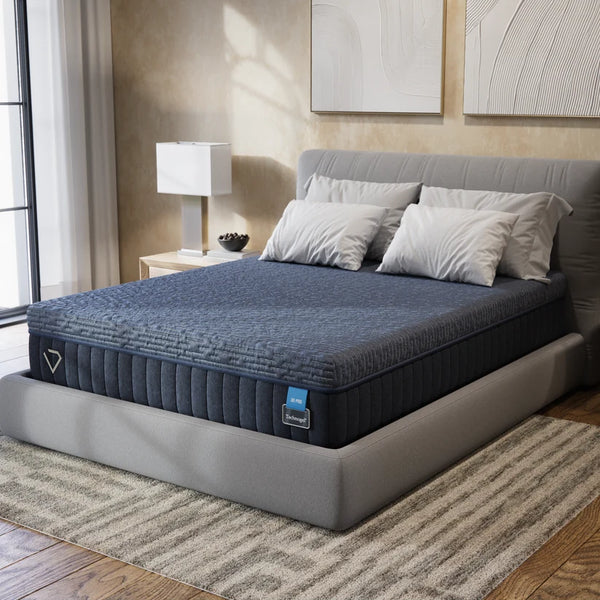
2026 New Brooklyn Bedding Titan Plus Elite

This type of mattress is designed to handle weight and motion with a supportive feel. In a heavy-use home, the goal is stability: you want a surface that responds to movement without quickly forming deep impressions. When the bed stays supportive, it can also help you maintain a comfortable sleep posture.
For shoppers who like a guided pick, here are a few related options worth comparing based on comfort goals:
- Durable hybrid with cooling comfort
- Support-focused hybrid option
- Natural-leaning feel for everyday durability
- Premium support and materials
Even if you end up choosing something else, the Titan Plus Elite example can help you understand what to prioritize: supportive construction, resilient layers, and a comfort feel that stays consistent through daily use.
How to know it is the right fit for heavy use
Use these quick checks after you narrow your choices:
- Edge comfort: you can sit without feeling unstable.
- Response: movement feels controlled, not like you drop into a pocket.
- Posture: your back and hips feel supported, not compressed.
- Comfort consistency: the bed still feels similar after repeated changes in position.
These points map directly to the real-world problems people face with mattresses that wear out too fast.
Summary & Next Steps
A durable mattress for heavy use should protect your sleep by maintaining support, resisting sagging, and staying comfortable as your nightly routine repeats. Choose a mattress with strong internal support, resilient comfort layers, and breathable construction that supports cooler rest. Then match firmness to how you sleep and how your home uses the bed.
Next steps:
- Pick your ideal feel (medium-firm to firm is often a strong starting point for heavy-use comfort).
- Compare support systems and movement response.
- Choose a model that fits your household routine.
If you want help deciding, The Sleep Loft Showroom is ready for you to try your favorite online beds before you buy. Conveniently located in New York & New Jersey. Our mattress store offers a large, comfortable space with ample parking and an easy to find, convenient location. Our New location at 1056 3rd Avenue, New York, NY.
Q&A
What makes a mattress truly durable for heavy use?
A durable mattress for heavy use usually has a supportive internal core, resilient comfort layers that bounce back, and construction that resists deep impressions. It should also feel stable when you sit at the edge and when you shift positions. The best signs are a controlled response to movement and consistent comfort over time.
How firm should I choose for heavy sleepers?
Many heavy-use shoppers find medium-firm to firm comfort levels work well because they reduce excessive sink and help keep the body aligned. That said, your sleep position matters. Side sleepers often benefit from a comfort layer that cushions pressure points while still keeping the hips supported.
Will a heavy-use mattress stay comfortable for guests and families?
Yes—when you choose a construction built for repeated pressure, it can stay supportive for many different body types and activity levels. A mattress designed to handle daily stress can also create a more consistent guest experience, especially if your bed is used frequently by multiple people.
What should I look for if I feel “bottoming out”?
Bottoming out can happen when comfort layers soften too quickly or when the support system cannot handle repeated weight. Focus your search on stronger support cores, resilient comfort materials, and designs known for stability under movement. A mattress that feels steady when turning is usually a better match for long-term heavy-use comfort.
About the Author
The Sleep Loft - Online Mattress Showroom is focused on helping shoppers choose better sleep with expert guidance and a comfort-first approach. Our team understands mattress fit for heavy use, everyday durability, and how materials feel in real homes. We are ready to help you compare options confidently—so you can find the right mattress for your routine.
Thanks for reading, and we hope you enjoy your next step toward more restful nights.
Disclaimer: This article is for general informational purposes only and does not provide medical advice. Mattress comfort and durability can vary by person and usage patterns.
The content in this blog post is intended for general information purposes only. It should not be considered as professional, medical, or legal advice. For specific guidance related to your situation, please consult a qualified professional. The store does not assume responsibility for any decisions made based on this information.