

Updated on: 2026-08-29
If you want a healthier bedroom without giving up comfort, focusing on sustainable mattress materials is one of the smartest upgrades you can make.
This guide breaks down what “sustainable” means in real mattress terms, where the biggest impact comes from, and how to choose materials that fit your sleep style.
You’ll also find practical use cases, common myths vs. facts, and easy shopping tips to help you feel confident at checkout.
By the end, you’ll know what to look for, what to avoid, and which next step to take if you want a cleaner, more sleep-friendly option.
What are sustainable mattress materials?
When shoppers search for sustainable mattress materials, they usually want two things at once: comfort they can feel and choices that reduce long-term impact. In practice, “sustainable” can include how raw materials are sourced, how much waste is generated during production, and whether components are built to last and be recycled or repurposed when possible.
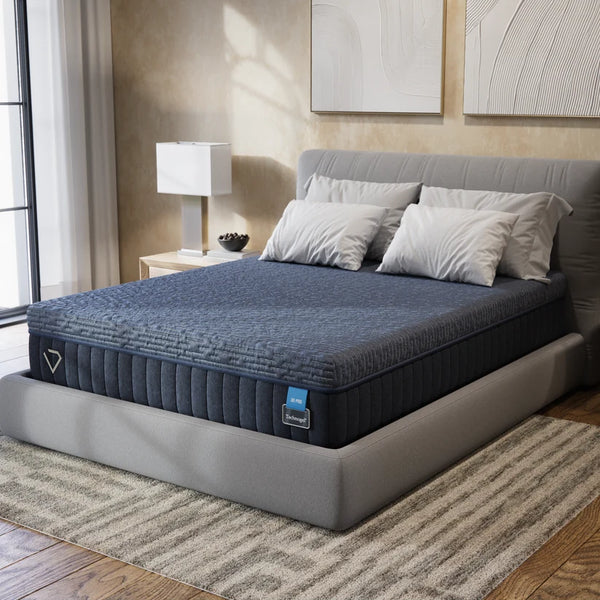
Instead of treating sustainability like a marketing buzzword, look at the mattress layer stack. Many eco-forward designs use materials such as natural latex, plant-based foams, organic or responsibly farmed fibers, and durable support cores. The goal is to create a mattress that sleeps well today and holds up through years of nightly use.
One more benefit often overlooked: quality materials can support better temperature control and pressure relief. That means fewer “hot spots,” less sink-in, and a calmer sleep surface—especially if you’re sensitive to heat or you share a bed with someone whose sleep pattern is different from yours.

Natural fibers, leaf icons, and layered mattress silhouette
Myths vs. Facts
-
Myth: “Sustainable” always means firm and uncomfortable.
Fact: Sustainable mattress materials come in many comfort feels, from plush to supportive. The best option matches your pressure relief needs, not a one-size rule. -
Myth: Natural materials are automatically hypoallergenic for everyone.
Fact: Comfort and sensitivity vary. If allergies are a concern, look for breathable covers, quality construction, and appropriate certifications where available. -
Myth: Eco options cost more, so they’re not worth it.
Fact: A long-lasting mattress can reduce replacement frequency. Durability often matters as much as the material label. -
Myth: Sustainable mattresses perform worse than modern hybrids.
Fact: Many designs blend eco materials with smart support systems. You can still get responsive bounce, strong edge support, and airflow.
Why it matters to your sleep
Your mattress is the nightly surface where comfort meets recovery. Sustainable mattress materials can improve your sleep experience in several practical ways:
- Better airflow: Breathable layers can help reduce heat buildup for warmer sleepers.
- Pressure relief: Quality foams and resilient comfort layers can help cradle shoulders and hips without excessive sink.
- Support that stays consistent: Durable support cores can help reduce premature sagging, so your alignment stays closer to what your body needs.
- Cleaner-feeling comfort: Many shoppers notice a more “fresh” feel when materials are selected for quality and reduced harshness.
Even if you don’t track every ingredient, you feel the results: fewer wake-ups from discomfort, easier transitions to sleep, and more stable comfort as the weeks roll by.
Personal Experience
I used to think mattress shopping was only about firmness. I tried a few beds that felt great for the first few weeks, then started to feel slightly “off.” My shoulders would wake me up first, and I also noticed I ran warmer at night than I used to.
When I started focusing on sustainable mattress materials, I looked for two things: comfort layers designed for support and materials that feel breathable. The difference surprised me. My sleep felt more even across the night, and I didn’t have that early-morning stiffness that used to show up too quickly.
Most importantly, I realized sustainability is not just about what you buy. It’s about choosing a mattress that respects your daily routine. When the materials are chosen with longevity and performance in mind, you stop second-guessing your purchase every time you lie down.
How to choose the right mattress materials
To make the decision easier, use a simple checklist when you compare models. This is where most people get stuck, because “eco” can mean many different design paths.
1) Match the comfort feel to your sleep position
Side sleepers usually need a comfort layer that cushions shoulders and hips. Back sleepers benefit from balanced support that keeps the spine aligned. Stomach sleepers often do best with less sink-in so the lower back doesn’t over-arch.
2) Look for breathable construction
If you run warm, prioritize materials that promote airflow. In hybrid designs, airflow channels and breathable covers can also help. You may also want responsive layers that keep you from feeling trapped on the bed surface.
3) Check support quality, not just the top layer
Sustainability isn’t only about the visible comfort surface. The support core affects how the mattress holds up, which impacts comfort consistency over time. A strong core can reduce the “hammock effect” that makes pressure relief fade.
4) Consider your household needs
Motion transfer matters if you share a bed. Couples often prefer responsive, well-supported designs that reduce rolling and keep the sleep surface stable. Edge support also matters if you sit or sleep near the perimeter.
If you want a natural-forward option, an organic mattress can be a great direction. For shoppers who want a comforting, eco-friendly design, you can compare an option like Eco-friendly organic mattress and see how the materials and feel align with your preferences.

Checklist icons: airflow, support, comfort layers, and alignment
Use cases that make a difference
Sustainable mattress materials can shine in real-life scenarios. Here are common use cases where choosing the right material mix can improve day-to-day comfort.
Eco-minded first-time bed buyers
If you’re upgrading from a worn hand-me-down or a mattress that no longer supports you, this is a prime time to choose responsibly sourced comfort layers. You’ll likely feel the difference quickly—especially if your current bed has uneven pressure or heat retention.
Parents setting up a calmer sleep space
Families often focus on safety and comfort from the start. A mattress built with high-quality components can help create a more consistent sleep environment. Look for breathable materials and stable support so the mattress stays comfortable through active years.
People who share a bed
When two sleepers have different schedules and movement patterns, the right support structure and comfort response can reduce disruption. Hybrids and well-engineered foams can provide a balance of comfort and responsiveness, helping both people settle faster.
Hot sleepers who want better temperature balance
Heat buildup is one of the most common reasons people stop loving their mattress. Materials that encourage airflow and reduce pressure hotspots can make the bed feel more breathable. If you’ve tried “cooling” claims that didn’t help, pay attention to the construction as a whole.
Long-term comfort seekers
A mattress is a home investment. Many shoppers who care about sustainable choices also want durability. The best result comes from selecting materials that support consistent comfort over time rather than only looking at the top layer.
To explore different comfort styles in one place, you can browse popular options at ÉDITION GOURDE for broader lifestyle inspiration, then come back to compare mattresses by feel and materials.
Final Thoughts & Takeaways
Choosing sustainable mattress materials is about more than following a trend. It’s a practical path to better comfort, steadier support, and a bedroom setup that feels good to live with. When you focus on breathable, durable construction and match the comfort layer to your sleep position, you’re far more likely to love your mattress long after the first week.
If you’re ready to shop with confidence, start with your sleep needs—pressure relief, temperature balance, motion control, and long-term support. Then compare materials and construction, not just firmness labels.
Call to action: Visit The Sleep Loft to explore mattress options designed for comfort and thoughtful materials. If you prefer trying in person, remember the showroom is located in New York & New Jersey, with an easy-to-find location at 1056 3rd Avenue, New York, NY.
Q&A
Are sustainable mattress materials actually comfortable?
Yes. Sustainable materials can be just as comfortable as conventional options when the mattress is built for your sleep position. Many designs use quality comfort layers and supportive cores, which helps with pressure relief, temperature balance, and long-term comfort consistency.
What materials are most common in eco-forward mattresses?
Common examples include natural latex, organic or responsibly sourced fibers, and foams made with plant-based ingredients. Some hybrids also use engineered support systems designed to improve airflow and durability. The best choice depends on the feel you want and your specific comfort needs.
How can I tell if a mattress is truly built for longevity?
Look at the full construction, especially the support core and how the comfort layers are engineered to resist sagging. A mattress that maintains its shape over time usually delivers more consistent alignment and pressure relief, which is where “quality” becomes visible in real use.
Do I need a special setup to keep a sustainable mattress performing well?
Not usually. Using a supportive foundation, rotating the mattress when recommended, and keeping the sleep surface clean can help maintain comfort. If you’re sensitive to heat or allergens, choosing the right breathable cover and maintaining good airflow in the room can also make a noticeable difference.
About the Author
The Sleep Loft - Online Mattress Showroom helps shoppers choose beds that feel right from the first night. Our team focuses on product expertise across mattress comfort, materials, and fit for different sleep styles. We’re here to make your decision easier and help you find a mattress you can trust. Thanks for reading, and we hope you sleep better soon.
Disclaimer: This article is for general informational purposes only and does not provide medical advice. Mattress comfort and material performance can vary by person and sleeping conditions. Always review product details and care instructions before purchase.
The content in this blog post is intended for general information purposes only. It should not be considered as professional, medical, or legal advice. For specific guidance related to your situation, please consult a qualified professional. The store does not assume responsibility for any decisions made based on this information.