

Updated on: 2026-08-26
Struggling to stay comfortable all night is more common than you think. A high-density memory foam mattress can help by offering steady support and responsive pressure relief. It’s designed to contour to your body while keeping you aligned from head to hips. In this guide, you’ll learn what to look for, how it differs from other foam types, and how to choose the right feel for your sleep style.
Did You Know? | Comparison: Pros & Cons | Buyer’s Checklist | Final Thoughts & Advice | Q&A Section | About the Author
Did You Know?
- Higher foam density usually means the mattress can maintain its shape longer, which helps prevent the “sinking” feeling many sleepers dislike.
- Memory foam works by responding to your body heat and weight, which is why many people feel more pressure relief at the shoulders and hips.
- Not all “memory foam” feels the same. The comfort layer thickness and the support core matter just as much as the foam density.
- If you share a bed, a well-designed foam mattress can reduce motion transfer, so one person’s movements feel less disruptive.
Comparison: Pros & Cons
- Pros: Pressure relief for side sleepers; helps reduce “hot spots”; steady support when paired with the right core; often quieter than spring-based designs.
- Pros: Responsive feel that molds to your shape, which can feel comforting for restless sleepers who need gentle support.
- Cons: Many foam beds can feel warmer at first if airflow is limited, so cooling features and cover materials matter.
- Cons: Memory foam can take a little getting used to if you prefer a very bouncy, quick-response surface.
Why a high-density memory foam mattress is a smart comfort upgrade
If you wake up with shoulder pressure, hip stiffness, or that “stuck in the bed” feeling, your mattress may be doing more harm than good. A high-density memory foam mattress is built to offer a supportive comfort layer that responds to your body shape while helping you stay more evenly supported throughout the night. That balance can make a big difference in how you feel when you roll out of bed.
Many sleepers choose higher density foam because it tends to hold up better over time. Instead of softening quickly, it can keep its structure and support, which helps you maintain the sleeping surface you originally liked. In simple terms: you get comfort that is less likely to disappear after months of use.
There’s also the day-to-day benefit you may not realize you need: less tossing. When your mattress distributes weight effectively, your body can settle more easily. That can be especially helpful if you sleep on your side, spend lots of time curled up, or shift positions often due to discomfort.

Layered comfort concept: pressure points softened
Comfort that targets pressure without losing support
A premium foam setup usually has two jobs. First, the comfort layer shapes around your shoulders, ribs, and hips. Second, the support core keeps your spine aligned and prevents your body from sinking too deeply. When both work together, you may feel less strain in high-pressure areas and more consistent support from morning to night.
Choosing a high-density build can also help if you’re on the heavier side or if you’re buying for someone who prefers a firmer feel. Denser foam often resists compression better, which can help the mattress feel stable rather than overly soft.
Cooling and airflow matter more than most people think
Memory foam can be cozy, but comfort is not just about softness. Many people want a sleep surface that stays comfortable even when the room runs warm. Look for cooling cover materials, breathable fabrics, and thoughtful ventilation in the foam structure. While no mattress can guarantee “cool all night” for every sleeper, the right design can reduce heat buildup and help you stay comfortable.
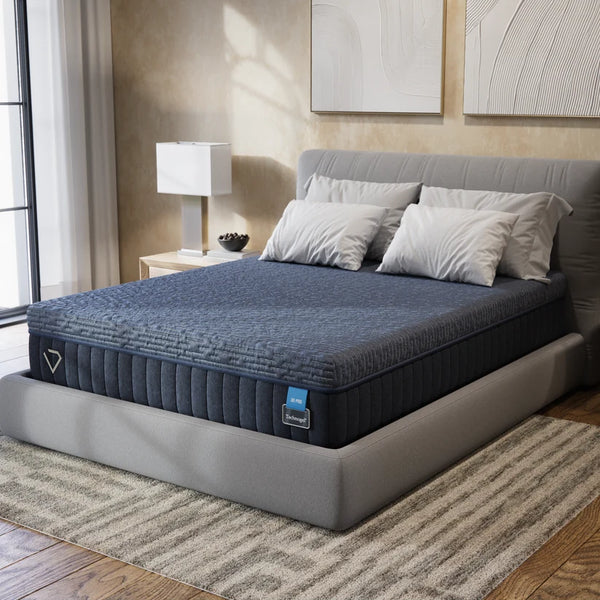
One practical way to shop smarter is to start by checking what the top layer is designed to do. A cooling cover can be a strong starting point, especially if you tend to run warm or wake up sweating.

Helix Twilight Luxe - Includes GlacioTex™ Cooling Cover
How to choose the right high-density memory foam feel
“High-density” tells you something important, but the overall feel comes from more than one factor. The comfort layer thickness, firmness level, and foam blend all change how the mattress responds when you lie down.
Match the firmness to your sleep position
- Side sleepers: You usually want enough contouring to cushion shoulders and hips without letting the lower back drop too far.
- Back sleepers: You typically benefit from a balance of support and softness, so your spine stays aligned while your body relaxes.
- Stomach sleepers: Many people prefer a firmer surface to reduce deep sink and help keep the hips from pulling downward.
If you’re unsure, consider choosing a medium feel as a safe baseline. Then, refine based on whether you want more contouring or more stability.
Look for support core strength
A strong support core helps your body rest on the mattress instead of sinking into it. When the core is designed well, pressure relief can feel easier to maintain without losing structural support. That’s one reason shoppers often prefer foam systems that combine comfort layers with durable base materials.
Durability isn’t just about longevity. It’s also about consistency. The mattress should feel similar night after night rather than changing dramatically as you break it in.
Real-world use cases: who benefits most
A high-density foam bed can fit many lifestyles. Here are common situations where sleepers often notice a difference.
1) Couples who want less motion disruption
When one person shifts during the night, a responsive foam surface can help reduce the “wave” effect you get from some spring systems. For partners who share a bed and have different schedules, this can mean fewer wake-ups and a smoother night.
2) People who need pressure relief for everyday aches
Anyone who experiences pressure at the shoulders, hips, or upper back can benefit from a comfort layer that contours. The goal is simple: help your body feel supported where it matters most, so you spend the night resting rather than bracing.
3) Home offices and frequent recliners becoming “sleepers by accident”
Many people spend long hours sitting and notice stiffness when it’s finally bedtime. A supportive mattress can help you recover more comfortably by encouraging better spinal alignment during sleep. If your bedtime routine includes stretching or rolling onto your side, a foam mattress can feel like a natural next step.
What shoppers say: comfort that feels easy to live with
While every sleeper’s experience is personal, many reviews share similar themes about foam mattresses: they feel calming, they reduce pressure, and they help sleepers settle faster. People also often mention that once the mattress matches their preferred firmness, the “support” becomes noticeable in everyday comfort.
It’s also common to hear comments about the adjustment period. Memory foam can feel different from what you’re used to, especially if you previously slept on a very bouncy surface. The good news is that most shoppers find the feel becomes familiar quickly, especially when they select the right firmness level for their sleep position.

Sleep routine timeline: comfort, settle, wake refreshed
Tips to shorten the adjustment period
- Give your body a few nights to adapt to the contouring feel.
- Use a pillow that keeps your head aligned with your spine, especially for side sleeping.
- If you’re between firmness options, lean toward the one that keeps your hips from sinking too much.
Buyer’s Checklist
Use this quick checklist to shop with confidence for a high-density memory foam mattress.
- Check the firmness level: Choose based on your sleep position and how much contouring you want.
- Look for durability signals: Higher density foam often helps maintain support and shape.
- Review cooling features: Consider breathable covers, cooling fabrics, or ventilation design.
- Confirm edge support needs: If you sit near the edge to get dressed, look for stable support.
- Pick the right thickness: Comfort layer depth affects how “hugging” the bed feels.
- Match your preferences: If you like a quick rebound feel, test a design that balances memory foam with supportive layers.
- Buy with an easy return path: Comfort is personal. A flexible policy helps you shop with less stress.
Try before you commit with a showroom experience
If you want the confidence of trying a mattress in person, The Sleep Loft Showroom is ready for you to try your favorite online beds before you buy. Conveniently located in New York & New Jersey. Our mattress store offers a large, comfortable space with ample parking and an easy to find, convenient location. Our New location at 1056 3rd Avenue, New York, NY. You can also explore options online and then validate the feel with a hands-on test.
Prefer to start by browsing a specific category? Visit chill-ready hybrid comfort to compare how foam and support systems feel together.
And if you enjoy comfort tools at home, here’s another resource that some shoppers also explore: InfraredWorldUSA.
Final Thoughts & Advice
A high-density memory foam mattress can be an excellent choice when you want pressure relief, supportive comfort, and a calmer sleep experience. The key is to shop beyond the label. Pay attention to firmness, cooling design, and the balance between the comfort layer and the support core.
If you’re ready to upgrade, start by choosing the feel that matches your primary sleep position. Then test the mattress (online or in-store) and give yourself a few nights to adapt. When the mattress fits your body, comfort stops feeling like a gamble and starts feeling like a reliable routine.
Call to action: Want help finding your best match? Browse our curated selection at The Sleep Loft, then visit our showroom at 1056 3rd Avenue, New York, NY to feel the difference for yourself.
Q&A Section
Is a high-density memory foam mattress better than a standard memory foam bed?
Higher density memory foam often helps the mattress hold its shape and support over time. That can mean fewer changes in feel as you use the bed. However, the overall comfort experience still depends on firmness level, comfort layer thickness, and cooling features.
Will a memory foam mattress trap heat?
Some memory foam setups can feel warmer, especially if they lack breathable materials or cooling design. The best approach is to look for a cooling cover or airflow-focused construction. Room temperature, bedding, and your personal sensitivity to warmth also play a role.
What firmness should I choose if I sleep on my side?
Side sleepers typically do well with a medium-to-medium-firm feel that contours enough to cushion the shoulders and hips while keeping the lower back supported. If you notice deep sinking at the hips, move toward a firmer option or add a supportive pillow to maintain alignment.
How do I know if edge support will be good enough?
If you often sit on the edge of the bed, choose a mattress design that includes a stable support foundation. In a showroom, try sitting near the edge and shifting your weight. A supportive feel can make getting dressed and moving around easier.
About the Author
In the mattress space, practical guidance matters. The Sleep Loft - Online Mattress Showroom helps shoppers choose comfort with confidence through hands-on experience and product-focused recommendations. The author team specializes in sleep comfort strategy, including how materials, firmness, and cooling features work together for real-life users. Thanks for reading—happy mattress shopping.
The content in this blog post is intended for general information purposes only. It should not be considered as professional, medical, or legal advice. For specific guidance related to your situation, please consult a qualified professional. The store does not assume responsibility for any decisions made based on this information.