

Updated on: 2026-09-15
Eco-friendly mattresses can help you sleep better while reducing your impact on the planet. In this guide, you’ll learn what actually makes a mattress greener, from materials to manufacturing choices. You’ll also get practical tips for choosing the right feel and support for your body. By the end, you’ll know which features to compare and where to shop with confidence.
Table of Contents
- Did You Know?
- Expert Tips
- Personal Experience
- What Makes Eco-Friendly Mattresses Truly Eco-Friendly?
- How to Choose the Right Eco-Friendly Mattress for Your Needs
- Sleep Setup and Care for Long-Lasting Comfort
- Real-World Reasons Shoppers Love These Beds
- Summary & Takeaways
Did You Know?
- “Natural” materials are only part of the eco story; the rest is how the mattress is made.
- Comfort layers can affect heat retention, motion transfer, and pressure relief.
- Certifications and transparent supply chains make it easier to compare brands fairly.
- Durability matters for sustainability, because a longer-lasting bed reduces replacements.
Expert Tips
- Start with how you sleep: back, side, or stomach. Then match support to your position.
- Look for breathable comfort systems if you run warm at night.
- Check for quality foams and natural fillings, and confirm what’s inside the layers.
- Don’t ignore edge support. It helps you get in and out and feel more stable when you sit.
- Choose the right firmness level for your comfort goals, not just for “preference.”
Personal Experience
I used to think mattress shopping was only about feel. Then I started focusing on what was inside the layers and how the materials were sourced. Once I matched my sleep position to the support design and chose a more breathable, thoughtfully built option, my evenings felt calmer and my mornings felt easier. It wasn’t about perfection. It was about choosing a bed that supported my body and aligned with the values I wanted to live by.
What Makes Eco-Friendly Mattresses Truly Eco-Friendly?
Eco-friendly mattresses are not just “one thing.” They are usually a combination of cleaner materials, more responsible sourcing, and construction methods that reduce waste. The biggest wins tend to show up in two places: how the mattress is built and how it helps you sleep day after day.
Here are the key factors that separate genuinely greener options from vague marketing:
- Material choices: Many eco-forward beds use natural fibers, responsibly sourced plant-based foams, or organic materials in comfort layers.
- Reduced chemical exposure: People often want fewer harsh odors and a cleaner feel. Look for transparent ingredient details and widely recognized standards.
- Durability engineering: A mattress that holds its shape and support longer can lower how often you replace it.
- Breathability and airflow: Better airflow can support a cooler sleep climate, which helps many sleepers feel more comfortable.
- Manufacturing responsibility: Packaging and production efficiency also matter, even if they’re harder to see.

Layer diagram with airflow arrows and material icons
When you compare eco-friendly mattresses, focus on the layer roles. The comfort layer influences pressure relief and feel. The support system influences spinal alignment and long-term durability. If those parts are built well, your sleep often improves—regardless of whether your main priority is comfort, materials, or both.
If you want an easy way to start narrowing down your options, consider browsing well-reviewed lines that emphasize sustainable comfort systems, breathable designs, and high-quality construction. For example, you can explore organic-focused choices like eco-organic mattresses for a nature-forward feel.
How to Choose the Right Eco-Friendly Mattress for Your Needs
Buying eco-friendly mattresses gets simpler when you decide what you need most. Comfort is personal, but the fundamentals are consistent: support where it counts, comfort where you feel it, and airflow where you need it.
Match firmness to your sleep style
Firmness affects how your body sinks. Side sleepers usually benefit from a comfort layer that cushions shoulders and hips, while back sleepers often need steady support that keeps the lower back feeling aligned. If you sleep on your stomach, you may prefer a slightly firmer feel to help prevent your hips from dropping too far.
Prioritize pressure relief without sacrificing support
Pressure points can steal sleep. A well-designed comfort system can reduce that “stuck” feeling and help you transition positions more easily. If you share a bed, motion control also matters, because it can reduce wake-ups when your partner moves.
Choose temperature management features
Many eco-friendly beds lean into breathable comfort. That can help you sleep cooler, especially if you tend to overheat. Look for designs that promote airflow rather than trapping heat.
Consider hybrid builds for balanced feel
If you want the responsiveness of coil support with a more thoughtfully sourced comfort layer, a hybrid mattress can be a great fit. Hybrids often feel supportive and bouncy, while still offering comfort that reduces pressure.
To help you picture the range, here are a few ways shoppers typically choose:
- Natural-forward sleepers: Look at organic and plant-based comfort layers.
- All-night temperature seekers: Prioritize breathable designs and airflow-friendly materials.
- Couples: Compare motion transfer and edge stability.
Prefer a more classic eco look and feel? You can check Avocado Green Mattress options for a nature-driven comfort experience.

Comparison cards showing support, comfort, and cooling icons
Use a quick comparison checklist
Before you commit, compare these features across the beds you’re considering:
- Comfort layer material and thickness
- Support system type and stability
- Breathability or cooling design cues
- Firmness options and who they fit best
- Durability indicators and return policies
This checklist keeps you focused on outcomes: a bed that feels good, supports you correctly, stays comfortable over time, and matches your eco priorities.
Sleep Setup and Care for Long-Lasting Comfort
Choosing the right eco-friendly mattress is step one. Caring for it properly helps it keep its shape, support, and comfort feel for longer. If you want your investment to last, use these best practices.
Start with the right foundation
Make sure your mattress sits on a supportive base. A solid foundation can improve stability and help your mattress feel consistent across the surface.
Rotate on a simple schedule
Rotating helps balance wear. Even high-quality beds can develop dips where body weight stays concentrated. A routine rotation can help you maintain a more even feel.
Use a breathable protector
A mattress protector can reduce spills and everyday wear. Choose one that does not trap heat. Cooler sleep often depends on airflow.
Let it settle after delivery
Many mattresses ship compressed or packaged for transport. Allow them time to expand and settle before judging the final feel. This also helps reduce the “new bed” scent that can happen with certain materials.
Watch for comfort drift
If your bed starts to feel uneven or your sleep quality drops, treat it as a clue. A small change—like adjusting your foundation or re-checking rotation—can restore comfort while extending mattress life.
If you like shopping with confidence, The Sleep Loft Showroom offers a stress-free path to testing comfort before you buy. You can visit the showroom for a hands-on experience in New York, or explore beds online when you’re ready. Our team is here to help you match the right construction to your sleep goals.
Real-World Reasons Shoppers Love These Beds
When people switch to an eco-friendly mattress, they usually mention two things: how comfortable the bed feels and how good it feels to choose materials they feel better about. Here are common themes from real-world customer experiences—summarized from feedback patterns you’ll often see when shoppers upgrade their sleep.
1) Better comfort without the “hot” feeling
Many shoppers say they notice a more comfortable temperature at night. Breathable comfort systems and airflow-friendly materials can help reduce the sense of overheating that interrupts sleep. When you sleep cooler, you tend to move less and settle faster.
2) Support that feels steady through the night
People often describe a mattress that keeps its support feel. That stability can help your body stay aligned, which is especially helpful for back and side sleepers. Couples also like support consistency because it can reduce rolling and shifting.
3) A more mindful purchase
Eco-focused shoppers feel good about choosing a mattress that aligns with their priorities. They like having clearer information about materials and construction. Even when comfort is the biggest reason to buy, values can make the final decision feel easier.
What to consider next
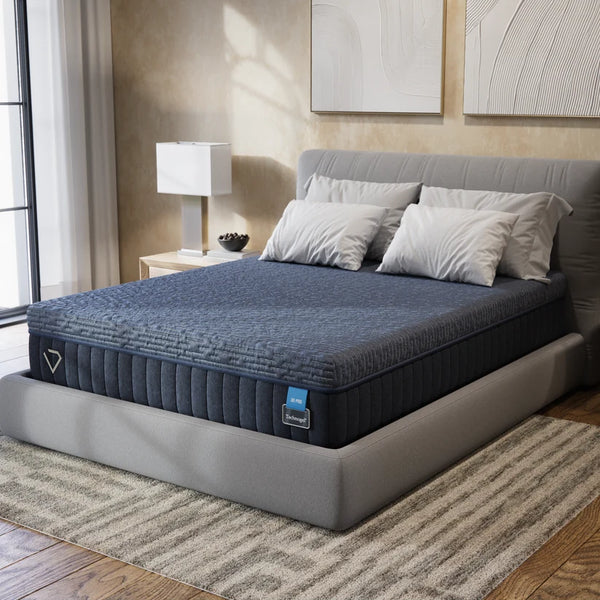
If you’re ready to explore options, you can compare specific builds and comfort goals right on the product pages. For a cooling hybrid direction, you might like Deluxe Chill Hybrid Mattress for a supportive, temperature-friendly approach. If you prefer a different hybrid feel, you can also compare choices like Avocado Green Pillow Top (Medium).
For those who want a more traditional foam-forward comfort experience, consider options such as Eco-Organic Mattress to see how natural materials and supportive construction work together.
Summary & Takeaways
Eco-friendly mattresses can be a smart upgrade when you care about both comfort and sustainability. Look for transparent materials, supportive layer engineering, and breathable designs that help you sleep cooler. Choose firmness based on your sleep position, and use a simple checklist to compare comfort, support, and durability signals.
- Prioritize what’s inside the layers, not just the label.
- Match firmness and support to how you sleep.
- Choose temperature-friendly construction for all-night comfort.
- Protect and rotate your mattress to keep it feeling great longer.
Ready to find your best fit? Visit The Sleep Loft to explore eco-friendly mattress options and test comfort in a welcoming showroom. If you’re already set on buying online, you can browse product pages and compare builds to choose with confidence.
Q&A Section
Are eco-friendly mattresses actually better for health?
Many people choose eco-friendly mattresses to feel more comfortable and to reduce exposure to strong odors from certain materials. The best approach is to look for transparent layer details, clear standards, and reputable sourcing. While comfort is personal, choosing a mattress with responsibly selected materials can make your sleep environment feel cleaner and more enjoyable.
Do eco-friendly mattresses sleep cooler than conventional ones?
They often do, but it depends on the design. Breathable comfort materials, good airflow, and smart construction can help prevent heat build-up. If you sleep warm, focus on cooling cues like ventilation-friendly layers and temperature-balancing comfort systems, rather than relying on marketing alone.
What firmness is best for side sleepers?
Side sleepers usually benefit from a comfort layer that cushions the shoulders and hips, while still providing enough support to keep the spine aligned. Many shoppers find medium or medium-plush options strike a balance. The best way to confirm is to choose based on your pressure relief needs and test the feel in person or through a reliable return policy.
About the Author Section
The Sleep Loft - Online Mattress Showroom
The Sleep Loft - Online Mattress Showroom is known for helping shoppers find the right bed by connecting comfort preferences to mattress construction. Our expertise focuses on support, comfort feel, and practical buying guidance—so you can choose eco-friendly mattresses with confidence. We invite you to try your favorites online and, when you’re in the area, visit our convenient New York and New Jersey showroom experience. Thanks for reading, and happy mattress hunting.
Disclaimer: This article is for general informational purposes only and does not provide medical advice or diagnose health conditions. Individual comfort and results vary by person. Always review product specifications, care instructions, and return policies before purchase.
The content in this blog post is intended for general information purposes only. It should not be considered as professional, medical, or legal advice. For specific guidance related to your situation, please consult a qualified professional. The store does not assume responsibility for any decisions made based on this information.