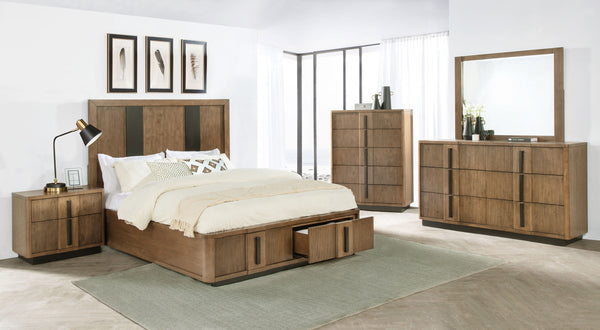

For urban dwellers in New York City, finding the perfect balance between luxury and sustainability is a top priority for creating a restful sanctuary. As environmental awareness grows, more sleepers are transitioning to natural materials, seeking the best organic mattresses in NYC to ensure their home environment remains toxin-free.
Understanding the Value of Eco-Friendly Mattresses in New York
Modern urban living often exposes residents to high levels of environmental stressors, from noise pollution to air quality concerns. Choosing eco-friendly mattresses in New York is more than a trend; it is a strategic decision to minimize chemical exposure during the eight hours spent in bed each night.
Organic mattresses typically utilize materials like GOLS-certified organic latex, GOTS-certified organic cotton, and ethically sourced wool. Unlike traditional synthetic options, these materials are naturally hypoallergenic, dust-mite resistant, and temperature-regulating. By investing in these sustainable assets, you are actively reducing your indoor carbon footprint and supporting healthier sleep hygiene.
Key takeaways for identifying high-quality organic materials:
- Look for GOTS (Global Organic Textile Standard) certification for cotton and wool.
- Verify GOLS (Global Organic Latex Standard) status to ensure the rubber is harvested responsibly.
- Prioritize natural fire barriers, such as wool, over chemical flame retardants.
Assessing Sleep Loft: Why Local Expertise Matters
When evaluating Sleep Loft mattress reviews, it becomes clear that local service centers offer advantages that purely digital retailers cannot replicate. The ability to physically test the tension, edge support, and material responsiveness allows for a data-driven approach to purchase decisions. Sleep Loft stands out by curating a selection that emphasizes both durability and sustainable sourcing, catering to the specific needs of NYC apartment living.
Their approach focuses on longevity. Because an organic mattress is an investment, the focus remains on high-density materials that resist premature sagging. For those living in smaller spaces, the expert guidance provided at a physical location helps narrow down the choices based on frame size, weight, and personal sleep posture, rather than relying on guesswork.
How to Select the Right Organic Sleep System
Finding your ideal mattress requires a structured approach to evaluation. Use the following checklist to ensure you are comparing products based on performance and health metrics rather than just marketing claims.
- Audit your current sleep position: Determine if you are a side, back, or stomach sleeper, as this dictates the necessary firmness level for spinal alignment.
- Verify certification documentation: Ask the retailer for proof of certifications to ensure you are not buying “green-washed” products.
- Assess breathability requirements: If you tend to overheat, prioritize latex or wool-heavy constructions over memory foam alternatives.
- Measure your bedroom footprint: Ensure the model you choose fits your current frame or determine if a new foundation is needed for proper ventilation.
- Inquire about the “break-in” period: Ask how long it typically takes for the natural fibers to settle and provide the intended comfort feel.
Performance Comparison: Organic vs. Traditional Synthetic
To better understand why organic sleep systems are gaining market share, compare the performance metrics of high-end natural materials against standard synthetic polyurethane foams often found in big-box stores.
Real-World Application: Improving Sleep Quality in NYC
Consider the case of a professional living in a compact Manhattan studio. After struggling with disrupted sleep and lingering respiratory sensitivities, they shifted from a conventional synthetic foam mattress to an organic latex-core mattress from Sleep Loft. By removing the VOC (volatile organic compound) off-gassing from their bedroom environment, they reported a noticeable improvement in overall morning recovery within three weeks. This transition illustrates that environmental health in the bedroom is a critical component of professional productivity and daily performance.
Frequently Asked Questions
What makes an organic mattress different from a “natural” one? “Organic” refers to materials grown without synthetic pesticides or fertilizers, verified by third-party certification bodies. “Natural” is a marketing term that lacks a strict legal definition and can be used to describe products that still contain synthetic adhesives or fire retardants.
Do organic mattresses cost more than traditional options? Yes, the initial investment is typically higher due to the cost of sourcing sustainable, certified raw materials. However, their lifespan is generally longer, often resulting in a lower cost-per-year over the life of the product.
Are organic mattresses suitable for all body types? Absolutely. The key is choosing the correct density of organic latex or the right coil gauge for internal support. Expert consultants at Sleep Loft can guide you toward specific models engineered for heavier or lighter builds.
How should I maintain an organic mattress to ensure it lasts? Use a breathable, waterproof organic protector to keep moisture out, and rotate the mattress every six months to prevent uneven compression.
The transition to an organic mattress is a move toward a cleaner, more restorative lifestyle. By prioritizing transparency in manufacturing and quality in materials, you can significantly enhance the quality of your sleep. Explore our resources to learn more about the latest innovations in sustainable bedding or visit our showroom to experience the difference firsthand.