

Adaptive focus is a term gaining traction in the mattress industry, promising a more customized sleep experience. But what exactly does adaptive focus mean, and how can it transform the way you rest? In this article, we’ll break down the concept and explore why it could be the secret to better sleep.
What Does “Adaptive Focus” Mean in Mattresses?
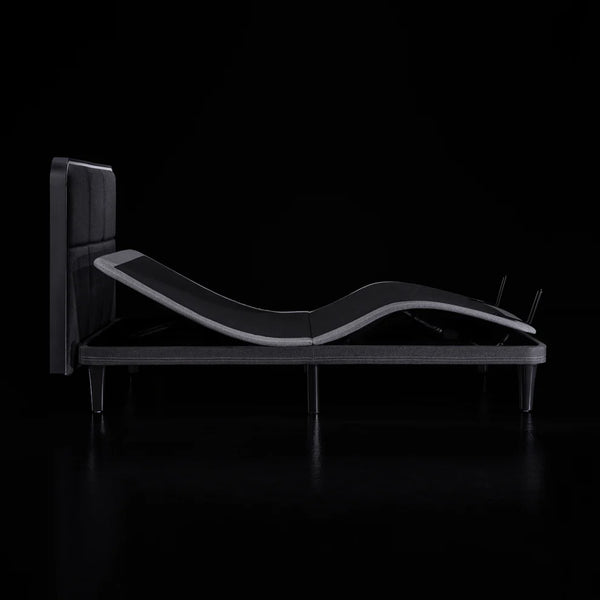
Adaptive focus refers to a mattress’s ability to adjust its support and comfort based on your body’s unique needs. Instead of offering a one-size-fits-all solution, adaptive focus mattresses respond to changes in your weight distribution, sleeping position, and pressure points throughout the night. This technology can include specialized foams, zoning layouts, or smart sensors that “read” your body and adapt accordingly.
Why Is Adaptive Focus Important for Sleep Quality?
Sleep quality depends heavily on spinal alignment and pressure relief. Traditional mattresses may not account for variations in body shape or movement, leading to discomfort or frequent tossing and turning. Adaptive focus ensures your mattress:
- Supports your natural posture, reducing back and joint pain
- Minimizes motion transfer, so you and your partner sleep undisturbed
- Adjusts to your movements, maintaining comfort all night
How Does an Adaptive Focus Mattress Work?
Adaptive focus mattresses combine advanced materials and innovative design to deliver personalized support. Some common features include:
- Zoned support layers: Different areas of the mattress provide varying firmness, targeting shoulders, hips, and legs.
- Responsive foams: High-quality memory or latex foams contour and rebound quickly as you move.
- Smart technology: Sensors or adjustable air chambers fine-tune firmness based on feedback from your body.
Step-by-Step: Choosing the Right Adaptive Focus Mattress
- Assess Your Sleep Needs: Consider your favorite sleep position, any pain points, and if you share your bed.
- Research Material Options: Look for mattresses with zoned foam, responsive coils, or smart tech features.
- Read Reviews and Test: Check verified customer reviews and, if possible, try the mattress in-store or during a home trial.
- Check for Certifications: Ensure materials are non-toxic and meet safety standards.
- Review Warranty and Return Policies: Opt for brands offering risk-free trials and robust warranties.
FAQ: Adaptive Focus Mattresses
Q: What makes adaptive focus different from regular memory foam?
A: While memory foam contours to your body, adaptive focus goes further by actively adjusting support based on your movements and pressure points.
Q: Are adaptive focus mattresses good for all sleep positions?
A: Yes, because they adapt to your body, they’re suitable for side, back, and stomach sleepers alike.
Q: Do adaptive focus mattresses require special care?
A: Most require standard maintenance, like rotating the mattress and using a protective cover, but always follow the manufacturer’s instructions.
Q: Can adaptive focus help with back pain?
A: Many users find relief from back pain thanks to improved spinal alignment and tailored support.
Key Takeaways
- Adaptive focus means the mattress adjusts to your body’s needs in real time.
- It enhances sleep quality by improving support, comfort, and motion isolation.
- Look for zoned designs, responsive foams, or smart features when shopping.
- Suitable for all sleep styles and can help with pain relief.
Conclusion
Adaptive focus is changing the way we think about mattresses, offering the promise of truly personalized sleep. If you’re ready to upgrade your rest, consider exploring adaptive focus options for your next mattress. Better nights—and brighter mornings—could be just a mattress away!