

How Much Sleep Does a Pregnant Woman Need?
Getting enough sleep during pregnancy is essential for both mother and baby, but it can be challenging due to physical and hormonal changes. Below, we break down sleep needs and tips for each stage of pregnancy, and answer common questions for 2026.
Sleep Needs by Trimester
First Trimester
- Increased fatigue: Most women feel very tired due to hormonal shifts and physical changes.
- Common sleep disruptors: Nausea, frequent urination, back pain, and sleep disorders like sleep apnea can worsen.
-
Tips for better sleep:
- Nap during the day if needed.
- Keep a consistent bedtime routine.
- Avoid caffeine and sugary foods before bed.
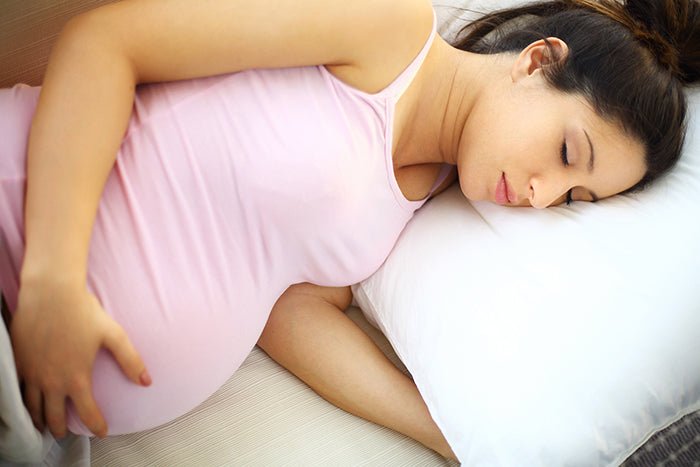
- Try sleeping on your left side to improve blood flow and relieve backaches.
- Keep bland snacks like crackers nearby to help with nighttime nausea.
Second Trimester
- Recommended sleep: Aim for at least 7 hours per night, though discomfort and emotional changes can interfere (source).
- Improvements: Hormonal changes often stabilize, and some early pregnancy symptoms ease.
-
Tips for better sleep:
- Eat healthy meals and stay hydrated to reduce nighttime bathroom trips.
- Sleep on your left side to support your baby and organs.
- Take short naps if needed, but avoid oversleeping during the day.
Third Trimester
- Increased sleepiness: Physical discomfort, aches, and a growing belly can make sleep difficult.
- Common issues: Women may feel warmer or sweatier at night due to a higher metabolic rate (source).
- Sleep quality: Some women experience better sleep in the second trimester, but third trimester sleep is often interrupted by aches, stress, or sleep apnea.
- Potential risks: Severely disrupted sleep in late pregnancy may be linked to longer labors and higher cesarean rates (source).
Fourth Trimester (Postpartum)
- Rest is still important: The early postpartum period can be exhausting.
-
Tips for better sleep:
- Stick to a regular sleep and wake schedule.
- Avoid caffeine late in the day.
- Limit water intake before bed to reduce nighttime awakenings.
- Ask for help if you feel overwhelmed or stressed.
Frequently Asked Questions
How many hours of sleep does a pregnant woman need?
Most pregnant women should aim for 7–9 hours of sleep per night. Some may need more, especially in the first trimester due to increased fatigue.
Why is sleep difficult during pregnancy?
Sleep can be disrupted by hormonal changes, physical discomfort (such as back pain or a growing belly), frequent urination, nausea, and emotional stress.
Is it safe to nap during pregnancy?
Yes, short naps can help restore energy, especially if nighttime sleep is interrupted. However, avoid long naps late in the day to prevent trouble falling asleep at night.
What is the best sleep position during pregnancy?
Sleeping on the left side is recommended, as it improves blood flow to the baby and reduces pressure on internal organs.
Can lack of sleep affect pregnancy or labor?
Severely disrupted sleep in late pregnancy may be linked to longer labor and higher rates of cesarean delivery. Prioritizing rest is important for both mother and baby.
Key Takeaways
- Aim for 7–9 hours of sleep per night during pregnancy.
- Adjust sleep habits as pregnancy progresses to manage discomfort and fatigue.
- Don’t hesitate to ask for support or speak to your healthcare provider if sleep problems persist.
Feeling unusually tired during pregnancy is normal, but making sleep a priority can help you feel your best throughout this exciting journey in 2026.