Overview
Sleep is essential for mental health, impacting conditions like anxiety and depression. Prioritizing quality sleep through good sleep hygiene, relaxation techniques, and a consistent routine can significantly improve mental well-being. Creating a comfortable sleep environment and making healthy lifestyle choices further enhances sleep quality, leading to a more resilient and adaptable mind. Invest in your sleep for a happier and healthier life.
Table of Contents
- The Science Behind Sleep and Mental Health
- The Sleep Cycle Explained
- How Sleep Affects Mental Health
- Anxiety and Sleep Deprivation
- Depression and Insomnia
- Ways to Improve Sleep Quality
- Create a Sleep Sanctuary
- Limit Screen Time
- Practice Relaxation Techniques
- The Importance of a Sleep Routine
- The Impact of Lifestyle Choices
- Nutrition and Sleep
- Physical Activity
- Nurturing Mental Health Through Sleep
- The Routine of Rest
- Your Path to Peaceful Nights
Frequently Asked Questions
1. How does sleep affect mental health?
2. What are the different stages of sleep?
3. What are some strategies to improve sleep quality?
4. Why is a consistent sleep routine important?
5. How can lifestyle choices impact sleep?
In today’s fast-paced world, sleep is often sacrificed at the altar of productivity. However, the relationship between sleep and mental health is crucial, especially for those seeking a peaceful mind and rejuvenated body. At The Sleep Loft, we understand that quality sleep can transform not only your nights but also enhance your overall mental well-being. This article explores the intricate connection between your sleep patterns and mental health, emphasizing the importance of prioritizing rest.
The Science Behind Sleep and Mental Health
Sleep is not merely a time of rest; it is an active period where considerable brain activity occurs. During sleep, your brain processes information, consolidates memories, and repairs itself. Research has shown that inadequate sleep can lead to various mental health issues, including anxiety and depression.
The Sleep Cycle Explained
The sleep cycle consists of several stages, including REM (rapid eye movement) and non-REM sleep. Each stage serves a unique function in maintaining mental health:
- Non-REM Stage 1: The lightest sleep phase where you drift in and out of consciousness.
- Non-REM Stage 2: The beginning of deeper sleep, where your heart rate slows.
- Non-REM Stage 3: Deep sleep, crucial for physical recovery and growth.
- REM Sleep: Essential for cognitive functions like memory and emotional regulation.
Disrupting any of these stages can have profound effects on your mental state, making it crucial to develop habits that promote restorative sleep.
How Sleep Affects Mental Health
Studies have shown a bidirectional relationship between sleep and mental health conditions. Poor sleep can lead to mental health issues, and vice versa. Understanding this connection can inspire you to take steps toward improving both your sleep and mental well-being.
Anxiety and Sleep Deprivation
Individuals suffering from anxiety often experience disrupted sleep patterns. This can create a vicious cycle: anxiety leads to poor sleep, which in turn exacerbates anxiety symptoms. Techniques such as relaxation exercises, meditation, or even setting up a cozy Eastern King Sleigh Bed can create an inviting sleep environment, promoting better rest.
Depression and Insomnia
Insomnia is prevalent among those suffering from depression. Lack of sleep can reduce motivation, increase feelings of hopelessness, and diminish overall mood. Addressing sleep disorders can significantly improve moods and overall mental health. Simple adjustments like maintaining a regular sleep schedule and investing in quality bedding, such as an Eastern King Sleigh Bed, may produce positive changes in your sleep quality.
Ways to Improve Sleep Quality
Emphasizing good sleep hygiene is essential in promoting better mental health. Here are some actionable strategies:
Create a Sleep Sanctuary
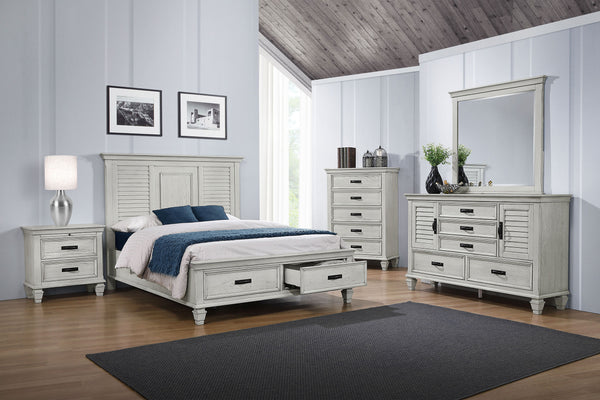
Your bedroom should be a sanctuary. Ensure that your Eastern King Sleigh Bed is comfortable, the room is dark, and the temperature is cool. Soft bedding, calming colors, and minimal clutter can create a relaxing environment conducive to sleep.
Limit Screen Time
Blue light emitted from screens interferes with the production of melatonin, the hormone responsible for regulating sleep. Aim to limit screen use at least one hour before bedtime.
Practice Relaxation Techniques
Incorporate techniques such as deep breathing, meditation, or gentle yoga into your evening routine. These techniques can significantly help in reducing stress and preparing your mind for a peaceful night's sleep.
The Importance of a Sleep Routine
Having a consistent bedtime routine reinforces your body’s natural sleep-wake cycle. Here’s a simple routine to try:
- Set a consistent bedtime and wake-up time, even on weekends.
- Limit caffeine intake in the afternoon.
- Create a calming bedtime ritual—read a book or take a warm bath.
- Ensure your Eastern King Sleigh Bed is the focal point of your relaxation routine, making it synonymous with rest.
The Impact of Lifestyle Choices
Alongside sleep environments and routines, lifestyle choices play a pivotal role in sleep quality. Consider how the following factors affect your ability to sleep:
Nutrition and Sleep
Your diet can significantly impact your sleep quality. Foods rich in magnesium, such as almonds, spinach, and avocados, promote better sleep. Additionally, consider cutting down on sugar and heavy meals close to bedtime.
Physical Activity
Regular physical activity can help tire your body, making it easier to fall asleep. However, avoid rigorous exercise right before bedtime, as it may have the opposite effect.
Nurturing Mental Health Through Sleep
Maintaining mental health is paramount, and sleep is one of the most effective tools at your disposal. By prioritizing sleep, you are investing in a brighter, healthier future. The connection between sleep and mental health is undeniable; a well-rested mind is more resilient, adaptable, and better equipped to tackle day-to-day challenges.
The Routine of Rest
Creating a restful environment, like an inviting Eastern King Sleigh Bed, incorporating healthy lifestyle choices, and understanding the science behind sleep can lead you to improvement in not only sleep but also your overall mental health. Start today by making small adjustments, developing effective sleep strategies, and recognizing the vital role sleep plays in your mental well-being.
Your Path to Peaceful Nights
There's no doubt that sleep is a powerful healer. By recognizing its importance, you can establish healthy habits that integrate better sleeping patterns into your life. Remember, healthy sleep is not just about the quantity of hours you clock in; it's equally about the quality of those hours. So, invest in your sleep, nurture your mind, and elevate your mental health for a happier, healthier you.
Glossary
| Term | Meaning |
|---|---|
| Sleep Hygiene | Practices that promote quality sleep, such as a consistent routine and a comfortable environment. |
| REM Sleep | A sleep stage essential for memory and emotional regulation, characterized by rapid eye movement. |
| Non-REM Sleep | Stages of sleep that include light and deep sleep, crucial for physical recovery. |
| Insomnia | A sleep disorder marked by difficulty falling or staying asleep, often linked to mental health issues. |
| Anxiety | A mental health condition that can disrupt sleep patterns and worsen sleep quality. |
| Sleep Sanctuary | A restful bedroom environment designed to enhance sleep quality. |
| Melatonin | A hormone that regulates sleep-wake cycles, often affected by screen time. |
| Sleep Cycle | The progression through different sleep stages, including REM and non-REM sleep. |
| Sleep Routine | A consistent bedtime and wake-up schedule that supports better sleep quality. |
| Relaxation Techniques | Methods like meditation and deep breathing that help prepare the mind for sleep. |
Linked Product

Graffenstaden - Eastern King Sleigh Bed With Curved Headboard And Footboard - Cappuccino
The Graffenstaden Eastern King Sleigh Bed features a rich cappuccino finish and a curved headboard and footboard, making it a stylish addition to any bedroom decor. Its solid wood and MDF construction ensures durability and stability, while the slatted design promotes airflow for added comfort. With generous dimensions, this bed maximizes sleeping space and can accommodate various interior styles from traditional to contemporary.
View Product