
Overview
The mattress industry is increasingly focusing on sustainability, with manufacturers adopting eco-friendly materials like natural latex, organic cotton, and wool. Innovations in manufacturing processes, such as zero-waste production and energy efficiency, are also on the rise. Certifications like GOTS and CertiPUR-US are helping consumers make informed choices. Life Cycle Assessments (LCAs) are becoming essential for identifying environmental impacts and engaging consumers. As consumer preferences shift towards sustainable products, the industry is poised for further growth, with trends like smart mattresses and enhanced customization leading the way. Investing in sustainable mattresses not only promotes better sleep but also supports a healthier planet.
Table of Contents
- The Rise of Eco-Friendly Materials
- Natural Latex
- Organic Cotton and Wool
- Innovative Manufacturing Processes
- Zero-Waste Production
- Energy-Efficient Manufacturing
- Regulatory Standards and Certifications
- The Growing Importance of Life Cycle Assessments
- Understanding Impact
- Engaging Consumers
- Consumer Behaviors and Preferences
- Research and Reviews
- Social Responsibility
- Future Trends in Sustainable Mattresses
- Smart Mattresses
- Enhanced Customization
- Why Choose a Sustainable Mattress?
- Join the Movement Towards Eco-Friendly Sleep
Key Takeaways
- Eco-Friendly Materials: Natural latex, organic cotton, and wool are becoming popular choices for sustainable mattresses, offering comfort without harmful chemicals.
- Innovative Manufacturing: Manufacturers are adopting zero-waste production techniques and energy-efficient processes to minimize environmental impact.
- Regulatory Standards: Certifications like GOTS, CertiPUR-US, and OEKO-TEX ensure mattresses meet strict environmental and health standards.
- Life Cycle Assessments: LCAs help manufacturers identify sustainability improvements and engage consumers in informed purchasing decisions.
- Consumer Preferences: Shoppers increasingly prioritize eco-friendly products and are willing to pay more for sustainable options.
- Future Trends: Smart mattresses and enhanced customization are emerging trends that combine technology with sustainability for improved user experience.
- Health and Longevity: Sustainable mattresses contribute to better indoor air quality and are built to last, reducing the need for frequent replacements.
Sustainability has become a pressing concern across various industries, and the mattress industry is no exception. With increasing awareness about climate change and the impacts of consumer habits, manufacturers are stepping up their efforts to create durable beds that are not only comfortable but environmentally friendly as well. In this blog post, we will explore the latest developments in sustainability within the mattress industry, highlighting new materials, improved manufacturing processes, and certification standards that prioritize eco-conscious choices.
The Rise of Eco-Friendly Materials
The journey towards sustainability in the mattress industry begins with the materials used in production. Traditional mattresses often contain a host of chemicals, synthetic foams, and non-renewable resources—elements that can be harmful to both our health and the environment. However, innovations and shifts in consumer preferences are leading manufacturers to explore more sustainable options.
Natural Latex
One of the most significant changes is the growing popularity of natural latex. Sourced from rubber trees, this material is biodegradable and has a low environmental footprint. Durable beds made from natural latex offer both comfort and longevity, reducing the need for frequent replacements. Moreover, natural latex is free from harmful chemicals commonly found in synthetic materials, making it a healthier choice for consumers.
Organic Cotton and Wool
In addition to natural latex, organic cotton and wool are becoming staples in sustainable mattress construction. Organic cotton is grown without pesticides or synthetic fertilizers, ensuring that the farming process is kinder to the planet. Similarly, organic wool is sourced from sheep raised in humane conditions. Both materials contribute to the durability and breathability of mattresses, providing a comfortable sleeping environment without compromising ecological values.
Innovative Manufacturing Processes
Beyond material choices, the manufacturing processes of mattresses are also evolving to become more sustainable. Companies are re-evaluating their production methods to mitigate waste, reduce energy consumption, and minimize their carbon footprint. Here are some notable trends:
Zero-Waste Production
Many manufacturers are adopting zero-waste production techniques, where every component of the mattress is utilized, and waste is minimized. This approach not only conserves resources but also appeals to eco-conscious consumers looking to make responsible purchases. Some companies even recycle outdated materials from old mattresses to create new ones, fostering a circular economy.
Energy-Efficient Manufacturing
Energy consumption is a crucial factor in sustainability. New technologies are emerging that enable manufacturers to produce durable beds using significantly less energy compared to traditional methods. By optimizing their supply chains and utilizing renewable energy sources, these manufacturers are reducing the environmental impact of their operations.
Regulatory Standards and Certifications
The mattress industry is also witnessing an increase in regulatory standards and certifications that encourage sustainability. These guidelines are crucial for consumers who are looking for trustworthy products. Some significant certifications include:
- Global Organic Textile Standard (GOTS): Ensures that textiles are free from harmful substances and are made from organic materials.
- CertiPUR-US: Validates that foam products are made without harmful chemicals and meet specific environmental standards.
- OEKO-TEX Standard 100: Guarantees that textiles are free from harmful substances and safe for human use.
With these certifications, manufacturers are held accountable, fostering transparency and consumer trust while emphasizing the importance of sustainability in the mattress industry.
The Growing Importance of Life Cycle Assessments
Life Cycle Assessments (LCAs) are systematic analyses that evaluate the environmental impacts of a product throughout its entire life cycle, from raw material extraction through manufacturing, usage, and disposal. In the mattress industry, LCAs are becoming invaluable tools for manufacturers aiming to enhance sustainability.
Understanding Impact
By conducting LCAs, mattress producers can identify key areas where they can improve sustainability. For example, they may realize that sourcing certain materials is more harmful to the environment than they initially believed. This awareness drives companies to seek more sustainable alternatives and refine production methods—all while creating durable beds that consumers can feel good about.
Engaging Consumers
The insights gained from LCAs can also be leveraged to engage consumers. By educating potential buyers about the life cycle of their products, manufacturers can encourage informed purchasing decisions based on environmental impacts. Consumers are increasingly drawn to brands that share their sustainability efforts and outcomes.
Consumer Behaviors and Preferences
As sustainability emerges as a priority for many consumers, their behaviors are shifting towards eco-friendly products. More shoppers are willing to pay a premium for durable beds that are sustainably produced. This trend influences how mattress brands market their products and adapt their strategies to align with modern consumer values. Let's take a look at some of these key behaviors:
Research and Reviews
Today’s consumers are savvy, often conducting extensive research and reading reviews before making a purchase. They seek transparency in sourcing, production processes, and environmental impacts. Brands that can showcase their commitment to sustainability through detailed information and customer testimonials tend to outperform competitors.
Social Responsibility
More than ever, consumers want to support companies that operate with social responsibility. This includes fair labor practices, community involvement, and environmental stewardship. Mattress companies that actively share their sustainability initiatives and engage in social causes are more likely to build lasting relationships with their customers.
Future Trends in Sustainable Mattresses
The mattress industry is poised for continued growth in sustainability, with several exciting trends on the horizon. These trends will likely reshape how we think about sleep and how our choices impact the planet.
Smart Mattresses
As technology advances, smart mattresses are becoming increasingly popular. These innovative products provide personalized sleep experiences while promoting sustainability by tracking sleep patterns and adjusting support levels automatically. Manufacturers are now integrating sustainable materials into these high-tech solutions, ensuring that performance and eco-friendliness go hand in hand.
Enhanced Customization
Customization is another trend gaining traction. Consumers are looking for mattresses tailored to their specific needs, and companies are responding by offering more options, such as adjustable firmness levels and materials. This quest for personalization not only enhances comfort but also contributes to sustainability. A durable bed crafted with the right materials for each user can significantly extend its lifespan, reducing waste in the long run.
Why Choose a Sustainable Mattress?
The decision to invest in a sustainable mattress is about more than just comfort; it's a step toward a more Eco-conscious lifestyle. Here are some compelling reasons to consider:
- Health Benefits: Sustainable mattresses are often made without harmful chemicals, improving indoor air quality and promoting a healthier sleep environment.
- Longevity: Durable beds are constructed with high-quality materials, ensuring they last longer—resulting in less frequent replacements.
- Environmental Impact: Choosing a sustainable mattress reduces your carbon footprint and supports ethical production practices.
Investing in a sustainable mattress is not just a choice for better sleep but a commitment to the planet and future generations.
Join the Movement Towards Eco-Friendly Sleep
As we navigate a world increasingly focused on sustainability, the mattress industry is taking significant strides to adapt and innovate. By embracing eco-friendly materials, rethinking manufacturing practices, and adhering to stringent certifications, the market for durable beds is evolving rapidly. As a consumer, you hold the power to influence these changes. Your purchasing choices shape the industry, prompting more brands to prioritize sustainability. In doing so, not only will you enhance your sleep experience, but you will also contribute to a healthier planet. Together, let's champion the cause of sustainability within the mattress industry and enjoy a good night's sleep, knowing our choices impact the world we inhabit.
Frequently Asked Questions
1. What are some eco-friendly materials used in sustainable mattresses?
2. How are mattress manufacturers improving their production processes for sustainability?
3. What certifications should I look for when choosing a sustainable mattress?
4. Why are Life Cycle Assessments (LCAs) important in the mattress industry?
5. What benefits do sustainable mattresses provide for consumers?
Glossary
| Term | Meaning |
|---|---|
| Sustainability | Practices aimed at minimizing environmental impact and promoting health. |
| Natural Latex | Biodegradable material from rubber trees, free from harmful chemicals. |
| Organic Cotton | Cotton grown without pesticides, supporting eco-friendly farming. |
| Zero-Waste Production | Manufacturing method that minimizes waste by using all components. |
| Energy-Efficient Manufacturing | Production processes that reduce energy consumption and environmental impact. |
| Life Cycle Assessment (LCA) | Analysis of a product's environmental impact throughout its life cycle. |
| Global Organic Textile Standard (GOTS) | Certification ensuring textiles are organic and free from harmful substances. |
| CertiPUR-US | Certification for foam products made without harmful chemicals. |
| OEKO-TEX Standard 100 | Guarantee that textiles are safe for human use and free from harmful substances. |
| Smart Mattresses | Innovative mattresses that use technology for personalized sleep experiences. |
Linked Product

Skye - Durable Bed
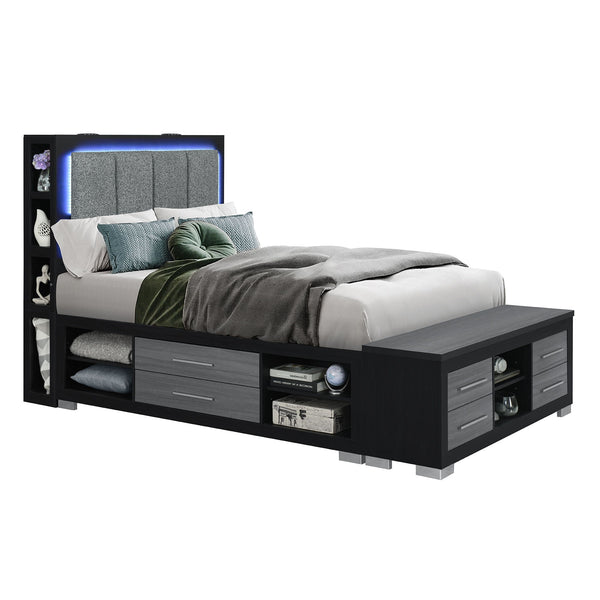
The Skye Bed combines an elegant design with functionality, featuring a padded headboard and footboard that enhance any bedroom aesthetic. Its built-in LED lighting adds a modern ambiance, while the solid rubberwood construction ensures long-lasting durability and support. This bed is available in both king and queen sizes, catering to different space requirements.
View Product