

Overview
Understanding the impact of your environment on sleep is vital for improving rest quality. This article explores the psychology of sleep and offers tips for creating an ideal sleep space, including managing light, temperature, and noise, as well as incorporating calming colors and natural elements. Establishing good sleep hygiene and evening rituals can further enhance your sleep experience. Small changes can lead to significant improvements in your overall well-being.
Table of Contents
- The Science of Sleep
- The Role of Sleep Hygiene
- Your Sleep Environment: The Key Factors
- Light Control
- Temperature Regulation
- The Comfort of Your Mattress
- Color Psychology and Sleep
- Incorporating Nature Into Your Space
- The Scent of Sleep
- Minimizing Noise Disruptions
- Personalizing Your Space
- The Role of Evening Rituals
- Invite Serenity into Your Sleep Space
Key Takeaways
- Understand Sleep Stages: Recognize the importance of REM and non-REM sleep for mental and physical health.
- Establish Sleep Hygiene: Maintain a consistent sleep schedule and create a relaxing bedtime routine.
- Control Light: Use blackout curtains and dimmable lights to manage light exposure in your bedroom.
- Regulate Temperature: Keep your bedroom cool, ideally between 60-67°F (15-19°C), for optimal sleep conditions.
- Invest in a Quality Mattress: Choose a mattress that provides proper spinal alignment and comfort tailored to your needs.
- Incorporate Calming Colors: Use soothing colors like blue, green, and soft neutrals to enhance relaxation in your sleep space.
- Minimize Noise Disruptions: Utilize soundproofing, white noise machines, or earplugs to reduce sleep disturbances.
In our fast-paced world, the significance of sleep is often overlooked. While we all know that a good night’s rest is essential for our health, understanding how our environment influences our sleep can further enhance our ability to recharge. This article dives deep into the psychology of sleep and offers practical tips to create an ideal sleep environment that promotes relaxation and rejuvenation.
The Science of Sleep
To grasp how to optimize your sleep space, it's crucial to understand what happens during the sleep cycle. Sleep consists of multiple stages, each playing a vital role in our mental and physical health. REM and non-REM sleep contribute to memory consolidation, mood regulation, and body recovery. The quality of our sleep is directly affected by our surroundings, making it essential to create a space that promotes restful slumber.
The Role of Sleep Hygiene
Sleep hygiene refers to the habits and practices that are conducive to sleeping well on a regular basis. It encompasses various factors including bedtime routines, sleep schedules, and the ambiance of your sleeping area. By refining your sleep hygiene, you can significantly improve your sleep quality.
- Stick to a consistent sleep schedule, even on weekends.
- Establish a relaxing bedtime routine to signal to your body that it's time to wind down.
- Avoid screens at least an hour before bed to reduce blue light exposure.
- Caffeine and heavy meals should be avoided before bedtime.
Your Sleep Environment: The Key Factors
The environment in which you sleep significantly affects your overall sleep quality. Here are some essential components that can transform your space into a sleep sanctuary:
Light Control
Light plays a crucial role in regulating our circadian rhythms. Exposure to natural light during the day helps maintain healthy sleep patterns, whereas artificial light in the evening can disrupt them. Here are some tips for managing light in your sleep environment:
- Invest in blackout curtains to eliminate light pollution.
- Consider using dimmable lights in your bedroom to create a calming atmosphere.
- Utilize night lights that emit soft, warm colors to guide you during nighttime trips.
Temperature Regulation
Temperature is another critical factor influencing sleep quality. A cool room is often conducive to better rest. Here are some ways to regulate temperature:
- Set your thermostat to a comfortable level, generally between 60-67°F (15-19°C).
- Choose breathable bedding materials, such as cotton or linen.
- Consider a fan for white noise while also promoting air circulation.
The Comfort of Your Mattress
Investing in the right mattress is vital for achieving quality sleep. A hybrid mattress, for example, combines the advantages of both innerspring and foam mattresses, providing support and comfort tailored to your needs. Proper spinal alignment and pressure relief can enhance your overall sleep experience.
Color Psychology and Sleep
Did you know that the colors in your bedroom can also affect your mood and sleep quality? Color psychology is the study of how colors influence our feelings, and it can be utilized to create a calming sleep environment. Here are some colors and their implications:
- Blue: Calming and serene, blue hues can help lower heart rates and promote relaxation.
- Green: Associated with nature, green provides a restful and restorative atmosphere.
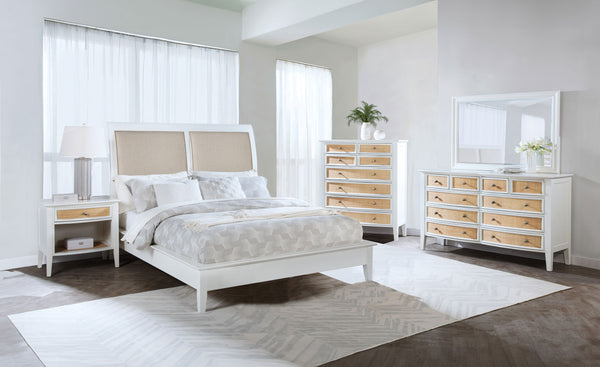
- Soft Neutrals: Colors like beige, gray, and soft whites can create a soothing environment that minimizes distractions.
Incorporating Nature Into Your Space
Biophilic design, which incorporates natural elements into interior design, has been linked to enhanced well-being and better sleep. Bringing a slice of nature into your sleep space can take many forms:
- Live plants can improve air quality while adding aesthetic appeal.
- Natural materials such as wood or stone can create a calming atmosphere.
- Soothing nature sounds can be integrated with machines producing white noise or by playing ambient playlists.
The Scent of Sleep
Aromatherapy can also play a significant role in enhancing sleep quality. Certain scents have calming properties that can help to create a more restful environment:
- Lavender: Known for its soothing effects, lavender can promote relaxation and decrease anxiety.
- Chamomile: Often used in tea, chamomile can be an effective relaxant when diffused in the bedroom.
- Sandalwood: Promotes a sense of peace and can help to induce sleep.
Minimizing Noise Disruptions
Noises, both external and internal, can significantly disrupt your sleep. Here are some effective strategies to reduce potential disturbance:
- Soundproof windows can be a strong investment if you live in a noisy area.
- White noise machines or fans can mask disruptive sounds with soothing background noise.
- Consider earplugs if you are particularly sensitive to sounds while sleeping.
Personalizing Your Space
Creating your ideal sleep environment also involves personal touches that make the space uniquely yours. Here are some ideas for personalization:
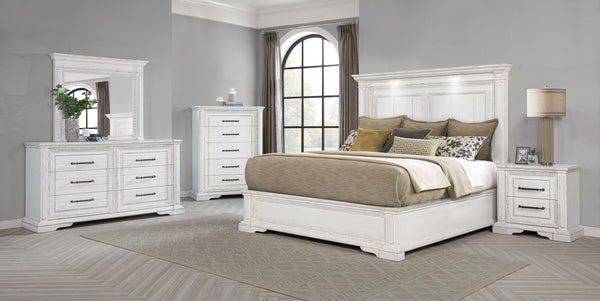
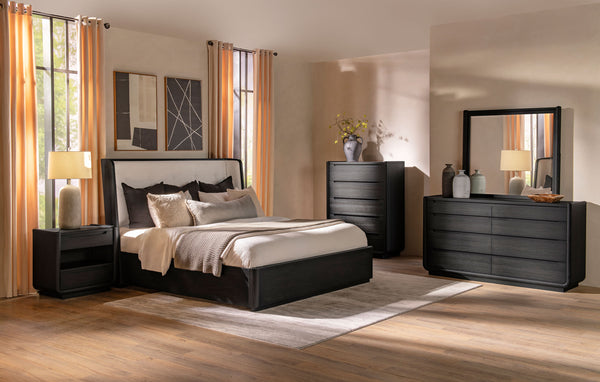
- Add soft textiles such as throws and pillows that suit your comfort needs.
- Incorporate artwork that brings you joy and relaxation.
- Keep your side tables clutter-free to maintain a relaxing aesthetic.
The Role of Evening Rituals
Establishing a calming evening ritual can prepare your mind and body for sleep. Engaging in calming activities signals to your body that it’s time to unwind. Here are some rituals you can incorporate:
- Engage in gentle stretches or yoga before bed.
- Read a book or listen to soothing music to help drift into sleep.
- Practice mindfulness or meditation to clear your mind of the day's stresses.
Invite Serenity into Your Sleep Space
Your sleep environment plays a crucial role in the quality of your rest. By understanding the psychology of sleep and implementing strategies to create your ideal haven, you can truly transform your nightly routine. Remember, each small change can culminate in significant improvements in your sleep quality. Embrace the journey towards better sleep and enjoy the benefits of a well-rested mind and body.
Frequently Asked Questions
1. Why is sleep important for our health?
2. What is sleep hygiene?
3. How can I optimize my sleep environment?
4. What role does aromatherapy play in sleep?
5. What strategies can help minimize noise disruptions during sleep?
Glossary
| Term | Meaning |
|---|---|
| Sleep Hygiene | Practices that promote regular, quality sleep. |
| REM Sleep | A sleep stage important for memory and mood regulation. |
| Non-REM Sleep | Stages of sleep that aid in body recovery and rest. |
| Circadian Rhythm | Your body's internal clock regulating sleep-wake cycles. |
| Biophilic Design | Incorporating natural elements to enhance well-being. |
| Aromatherapy | Using scents to promote relaxation and better sleep. |
| Color Psychology | The study of how colors affect mood and emotions. |
| White Noise | Consistent sound used to mask disruptive noises. |
| Sleep Sanctuary | A personalized, calming sleep environment. |
| Evening Rituals | Activities that signal it's time to wind down for sleep. |
Linked Product

Leesa Legend Chill Hybrid Mattress
The Leesa Legend Chill Hybrid Mattress is designed for hot sleepers, featuring a billowy quilt top infused with phase-change fibers that effectively draw heat away from the body. With an ultra-breathable dual spring system of up to 3,788 springs, it provides exceptional pressure relief and motion isolation, ensuring a comfortable night's sleep. Additionally, its luxurious design details cater to style-conscious consumers looking for both comfort and aesthetic appeal.
View Product