

Overview
Moving your mattress requires careful attention to ensure it remains in top condition during the transition. By following practical tips for cleaning, transporting, and setting up your mattress, you can protect your investment and enhance your sleep quality. Implementing proper maintenance techniques after the move will help extend its lifespan and keep it comfortable for years to come.
Table of Contents
- Preparing for the Move
- 1. Clean Your Mattress
- 2. Gather the Right Supplies
- 3. Check Bed Frame Compatibility
- How to Transport a Mattress
- 1. Use a Mattress Bag
- 2. Keep It Upright
- 3. Secure It Properly
- Unpacking and Setting Up Your Mattress
- 1. Inspect for Damage
- 2. Allow It to Breathe
- 3. Properly Position It on the Frame
- Keeping a Mattress Safe
- 1. Invest in a Quality Mattress Protector
- 2. Rotate Regularly
- 3. Manage Humidity and Temperature
- Understanding Different Mattress Types
- 1. Memory Foam Mattresses
- 2. Innerspring Mattresses
- 3. Hybrid Mattresses
- After the Move: Keeping Your Mattress in Good Shape
- 1. Regular Cleaning
- 2. Monitor for Bed Bugs
- 3. Avoid Jumping on the Mattress
- Wrap Up Your Mattress Moving Adventure
Key Takeaways
- Clean Before Moving: Thoroughly clean your mattress by vacuuming and spot cleaning stains to ensure it’s fresh for your new home.
- Use Proper Supplies: Gather essential moving supplies such as a mattress bag, compression straps, and moving blankets to protect your mattress during transport.
- Transport Upright: Always carry your mattress upright to prevent sagging and maintain its shape during the move.
- Inspect for Damage: After moving, check your mattress for any signs of damage before placing it on the bed frame.
- Invest in a Mattress Protector: Use a quality mattress protector to guard against spills, stains, and allergens, especially if you have pets or children.
- Rotate Regularly: Rotate your mattress every 3-6 months to prevent uneven wear and prolong its lifespan.
- Monitor for Bed Bugs: Regularly inspect your mattress for bed bugs, especially after moving, to catch any potential infestations early.
Moving can be a hectic experience, and when it comes to your mattress, it deserves some special attention. A good night's sleep relies heavily on the quality and care of your mattress. This blog post will equip you with essential tips for moving and maintaining your mattress, ensuring it remains in top condition throughout your transition. Let's explore this comprehensive mattress moving guide!
Preparing for the Move
Before you take on the task of moving your mattress, careful preparation is crucial. Here are some important steps to consider:
1. Clean Your Mattress
Before moving your mattress, give it a thorough cleaning. Remove any bedding and use a vacuum cleaner with an upholstery attachment to remove dust, dirt, and allergens. Consider using a mild detergent solution to spot clean stains.
2. Gather the Right Supplies
Select the right materials to protect your mattress during transport. You will need:
- Mattress bag or cover
- Compression straps
- Moving blankets
- Strong tape
Having these supplies on hand will make your moving experience smoother and keep your mattress safe.
3. Check Bed Frame Compatibility
If you have moved to a new home with a different bed frame, ensure that your mattress is compatible. Beds vary significantly in size, so having a correctly sized frame will extend the life of your mattress.
How to Transport a Mattress
Many people wonder about the best way to actually move their mattress. Below are some expert tips on how to transport a mattress effectively.
1. Use a Mattress Bag
Invest in a high-quality mattress bag designed for moving. These bags shield your mattress from dust, moisture, and other potential damage that can occur during transport.
2. Keep It Upright
When loading your mattress into a moving truck or vehicle, always carry it upright. Laying a mattress flat can lead to sagging and may cause permanent damage. Keeping it vertical ensures it maintains its shape throughout the journey.
3. Secure It Properly
Use moving straps or rope to secure the mattress in place during transport. This precaution prevents shifting and minimizes the risk of damage. Additionally, make sure to stack items in a way that does not put excessive pressure on the mattress.
Unpacking and Setting Up Your Mattress
Once you have arrived at your new home, it’s time to unpack and set up your mattress properly.
1. Inspect for Damage
Before placing the mattress on the bed frame, inspect it for any visible signs of damage that may have occurred during the move. Check for sagging, tears, or stains and ensure it is clean and dry.
2. Allow It to Breathe
Once unpacked, allow your mattress to breathe for a few hours in a well-ventilated area. This step helps in dissipating any residual odors that might have been trapped during the move.
3. Properly Position It on the Frame
Carefully lay the mattress on the bed frame, ensuring it is correctly aligned with the support structure. This practice helps maintain its longevity and also enhances sleep quality.
Keeping a Mattress Safe
After the move, taking steps to maintain the integrity of your mattress is essential. Here are some vital tips to keep your mattress safe for years to come:
1. Invest in a Quality Mattress Protector
A mattress protector provides an additional layer of defense against spills, stains, and allergens. This is particularly important if you have pets or children who might be using your mattress. Choose a waterproof and breathable protector for maximum efficacy.
2. Rotate Regularly
To prevent uneven wear, it’s recommended to rotate your mattress every 3-6 months. This simple act helps maintain its shape and comfort, prolonging your mattress's lifespan.
3. Manage Humidity and Temperature
Excessive humidity and temperature extremes can wreak havoc on your mattress's material. Aim to keep your bedroom environment between 60-67°F (15-19°C) for optimal sleeping conditions. Utilize a dehumidifier if necessary to prevent moisture buildup.
Understanding Different Mattress Types
Another essential aspect of moving a mattress is understanding the type of mattress you own, as this may affect how you handle it.
1. Memory Foam Mattresses
These mattresses require gentle handling, as they can easily be compressed or deformed. Be sure to follow the guidelines outlined above for cleaning and transporting carefully.
2. Innerspring Mattresses
These mattresses are generally more robust but still need careful handling to avoid damage to the coils. Follow the best practices for securing and transporting to preserve its structure.
3. Hybrid Mattresses
Combining both foam and innerspring technologies, hybrid mattresses can be a bit more complicated to handle. Ensure you protect both components adequately during your move.
After the Move: Keeping Your Mattress in Good Shape
Post-move maintenance is just as essential as pre-move care. Implementing the following practices can help extend the lifespan of your mattress:
1. Regular Cleaning
Be sure to maintain a routine for cleaning your mattress. Vacuuming and spot cleaning should happen every few months while a deep clean can be done annually. This step not only maintains cleanliness but also keeps allergens at bay.
2. Monitor for Bed Bugs
Moving creates a risk of bringing unwanted pests like bed bugs into your new home. Regularly inspecting the seams and crevices of your mattress can help catch any signs of infestation early on. If necessary, consult a pest control service for an evaluation.
3. Avoid Jumping on the Mattress
No matter how tempting, avoid allowing children to jump on the mattress. Such actions can result in damage and can affect the structural integrity of the mattress over time. Promote responsible use among family members to help maintain its condition.
Wrap Up Your Mattress Moving Adventure
Moving a mattress doesn’t have to be a daunting task. By following these comprehensive moving a mattress tips, you can ensure that your mattress stays in excellent condition throughout the transition process and beyond. Keep in mind the importance of preparation, careful transport, and post-move maintenance for long-lasting comfort. With these tips in hand, you’re not just moving a mattress; you’re protecting your investment in restful nights ahead!
Frequently Asked Questions
1. What are the essential steps to prepare my mattress for moving?
2. How should I transport my mattress to prevent damage?
3. What should I do after arriving at my new home with my mattress?
4. How can I maintain my mattress after moving?
5. What care do different types of mattresses require during a move?
Glossary
| Term | Meaning |
|---|---|
| Mattress Bag | A protective cover for transporting mattresses, shielding them from dust and moisture. |
| Compression Straps | Straps used to secure a mattress during transport, preventing movement and damage. |
| Bed Frame Compatibility | Ensuring the mattress fits properly on the bed frame for optimal support and longevity. |
| Rotate | To turn the mattress periodically to prevent uneven wear and maintain comfort. |
| Mattress Protector | A cover that protects against spills, stains, and allergens, enhancing mattress lifespan. |
| Memory Foam | A type of mattress that conforms to the body, requiring careful handling to avoid damage. |
| Innerspring | A mattress type with coils for support, needing careful transport to preserve structure. |
| Hybrid Mattress | A combination of foam and innerspring materials, requiring protection for both components. |
| Humidity Management | Controlling moisture levels in the bedroom to protect the mattress from damage. |
| Bed Bugs | Pests that can infest mattresses, requiring regular inspection and potential pest control. |
Linked Product

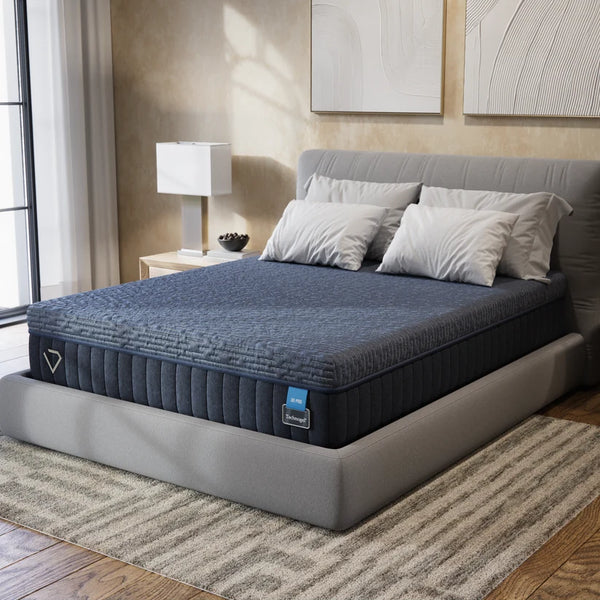
Casper Snow Cooling Hybrid Mattress
The Casper Snow Cooling Hybrid Mattress is designed to provide a supportive, medium feel, making it ideal for hot sleepers and those who tend to toss and turn at night. With its Snow Technology, the mattress offers over 12 hours of cooler sleep, while the ergonomic Zoned Support™ helps maintain proper spine alignment. The individually pocketed Flex Coils enhance support and reduce motion transfer, ensuring a comfortable sleep experience.
View Product