

Overview
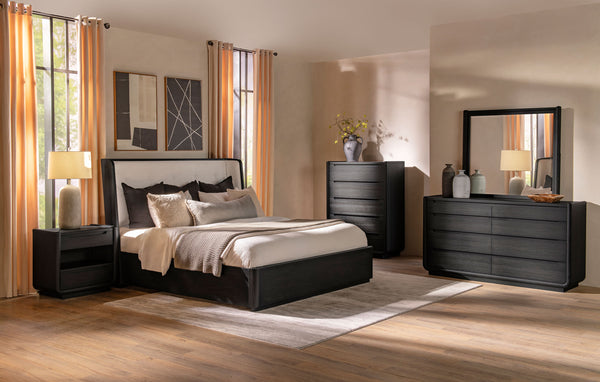
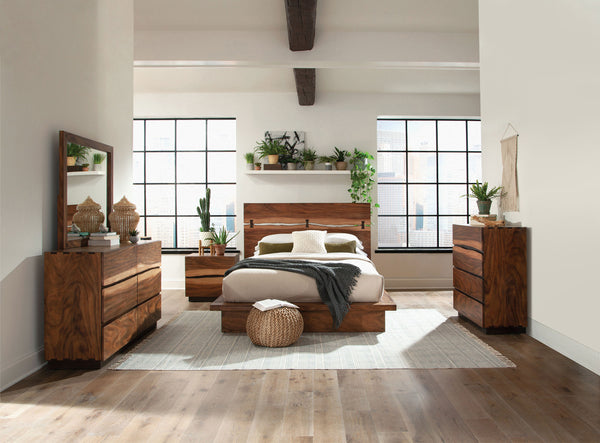
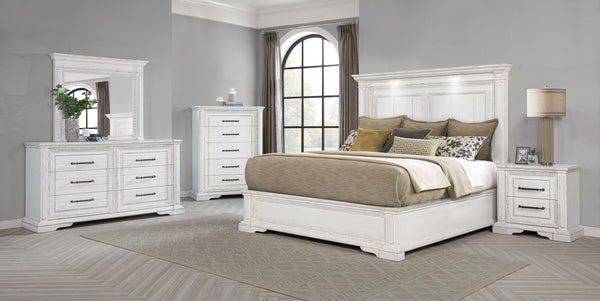
Create the perfect sleep environment in your Brooklyn home by focusing on optimal bedroom layout, soothing color schemes, layered lighting, temperature control, sound management, a calming sleep routine, and quality bedding. Incorporate relaxation techniques and aromatherapy to enhance your sleep quality and create a personal sanctuary for restful nights.
Frequently Asked Questions
1. Why is sleep environment important for my rest?
2. What color schemes are recommended for a serene bedroom?
3. How can I control noise in my Brooklyn bedroom?
4. What temperature should my bedroom be for optimal sleep?
5. What are some effective relaxation techniques to incorporate before bed?
Creating the perfect sleep environment in your Brooklyn home can significantly enhance your quality of rest. A well-designed sleep space promotes relaxation, encourages deeper sleep, and sets the stage for a productive day ahead. In a bustling city like Brooklyn, where external noise and light can often interrupt your peace, it's essential to carefully consider how you set up your bedroom. This guide will present you with invaluable tips on how to create the ultimate sanctuary for sleep.
Understanding the Importance of Sleep
Before diving into the tips for crafting a sleep-friendly environment, let's explore why sleep is crucial. Adequate sleep is vital for mental clarity, physical health, and emotional balance. Studies show that a proper sleep environment directly influences sleep quality, which in turn impacts your overall well-being. In a city known for its vibrant nightlife and hectic pace, it becomes essential to find ways to disconnect and unwind. So, let’s explore some fundamental components that contribute to the perfect sleep environment.
Optimal Bedroom Layout
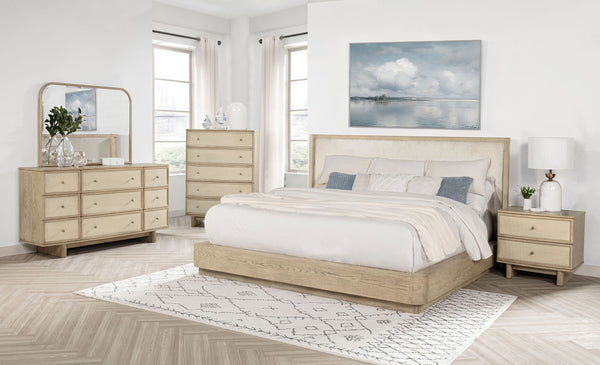
The layout of your bedroom plays a pivotal role in creating a serene atmosphere. Here are some essential considerations:
Strategic Furniture Placement
Start by positioning your bed in a way that feels most comfortable to you. Many experts recommend placing the bed away from the door, but within sight of it, to create a sense of security. Ensure there's enough space to navigate around your room, which helps avoid clutter that can impact your mind’s relaxation. Consider these points when arranging:
- Leave space for your nightstands for easy access to essentials.
- Avoid blocking windows with furniture; sunlight can help energize your mornings.
- Consider the flow of movement; a well-planned layout can reduce stress and promote calm.
Color Schemes and Decor
The colors and decor of your bedroom can significantly influence your ability to relax and sleep soundly. Here are ideas on how to choose the right vibe for your sleep environment:
Choose Soothing Paint Colors
Opt for soft, neutral tones such as pale blues, greens, or warm grays. These colors promote tranquility and have been shown to lower heart rates and anxiety levels. Avoid overly bright or stimulating colors, which can detract from your relaxation efforts.
Minimalist Approach to Decor
Adopt a minimalist approach when it comes to decor. Too many decorations or clutter can lead to distractions. Instead, select a few curated pieces that bring you joy or reflect peace, such as:
- Art that evokes calmness, like landscapes or abstract pieces.
- Textured fabrics that add comfort, such as soft rugs and throws.
- Greenery which not only beautifies your space but also contributes to fresher air.
Lighting Considerations
Lighting plays a vital role in establishing your sleep environment. Here are some tips to achieve the right illumination:
Layered Lighting Design
Implement a layered lighting design that allows for flexibility based on your activities. For example, harsh overhead lighting can be overwhelming, but ambient and task lighting can create a cozy atmosphere. Consider:
- Dimmer switches to control brightness easily.
- Bedside lamps with soft bulbs to create a soothing ambiance.
- Warm light sources, which help signal to your body that it’s time to wind down.
Blackout Curtains
If you live in a bustling area of Brooklyn, consider using blackout curtains. They help block out external light and noise, creating a more conducive sleep environment. Pairing these curtains with sheer options can provide versatility in controlling light throughout the day.
Temperature Control for Comfort
The temperature of your sleep space is another crucial factor. Studies suggest that the ideal sleeping temperature ranges between 60 and 67 degrees Fahrenheit. Here are ways to maintain a comfortable sleep temperature:
Invest in Quality Bedding
Quality bedding can regulate your body temperature as you sleep. Choose materials such as cotton or bamboo that are breathable and wick away moisture. A well-ventilated sleep surface encourages a restful night and prevents overheating.
Use a Fan or Humidifier
Consider using a fan to circulate air within your bedroom, or a humidifier to maintain balanced humidity levels. Finding the right balance helps promote sleep while ensuring comfort, especially during Brooklyn's humid summer months.
Sound Control for Restful Sleep
Brooklyn can be noisy, and while some might find it comforting, it can impede sleep for others. Here’s how to manage sound disturbances:
White Noise Machines
Consider using a white noise machine to drown out disruptive sounds. The consistent background noise creates a soothing environment that can help you fall asleep faster and stay asleep longer.
Soundproofing Techniques
Implement minor soundproofing techniques, such as:
- Sealing cracks around windows and doors to minimize noise infiltration.
- Using heavy rugs to absorb sound and reduce echoes.
- Arranging furniture against exterior walls as added insulation from street noise.
Establishing a Sleep-Inducing Routine
Creating the perfect sleep environment goes beyond decor and temperature—it’s also about establishing a soothing routine that prepares your mind and body for rest.
Dimming the Lights
Start by dimming the lights one hour before bedtime. This practice mimics the natural setting of the sun, signaling to your body that it’s time to wind down. Gradually minimize stimulating activities, swapping screen time for calming rituals.
Relaxation Techniques
Incorporate relaxation techniques into your nightly routine to promote better sleep, such as:
- Gentle stretching or yoga to release tension.
- Meditation or deep breathing exercises.
- Reading a book in soft light to distract your mind from the day’s stresses.
The Power of Your Sleep Setup
Your bed and sleeping accessories are at the core of your sleep environment. Investing in a quality mattress and pillows can profoundly impact how well you sleep. Aim for maximum comfort and support tailored to your personal preferences.
Test Your Mattress
When selecting a mattress, take your time to try different types that cater to your comfort needs. Whether you prefer memory foam, innerspring, or hybrid designs, ensure it aligns with your preferred sleeping position—back, side, or stomach.
Pillow Performance
Finding the right pillows for your sleeping style is equally important. Experiment with different types to see which ones provide the best neck and spine alignment. Choosing pillows that complement your mattress enhances overall sleep quality.
Enhancing Your Sleep Space with Aromatherapy
Aromatherapy can be a powerful complement to your sleep environment. Using essential oils known for their relaxing properties can enhance relaxation and improve your night’s rest.
Choose Calming Scents
Lavender, chamomile, and sandalwood are just a few fragrances that promote relaxation. Use essential oils in a diffuser or consider incorporating scented candles (but only if they are safely placed and monitored). Here are more ideas:
- Spray lavender pillow mist before bed.
- Infuse your linens with calming scents.
- Use potpourri or aromatherapy diffusers to create a welcoming scent.
Your Evening Sanctuary Awaits
By now, you should have a comprehensive understanding of the elements necessary to create your perfect sleep environment in your Brooklyn home. It’s time to take action and implement these tips. With a little thought, design, and intention, your bedroom can transform into a personal sanctuary that invites relaxation and restful nights. Embrace the process as you build a cozy retreat that caters to your sleep needs.
As you begin to think about your sleep space and follow these tips, remember that ultimately, it’s about creating a haven that reflects your unique personality and preferences. Here’s to dreaming well in your perfect sleep environment!