Overview
Choosing the right mattress involves understanding the differences between foam and innerspring types. Foam mattresses offer pressure relief, motion isolation, and are hypoallergenic, while innerspring mattresses provide durability, breathability, and better edge support. Consider your sleeping position, personal preferences, and budget to find the best fit for a restful night’s sleep.
Frequently Asked Questions
1. What are the main types of mattresses discussed in the blog?
2. What are the benefits of foam mattresses?
3. What are the benefits of innerspring mattresses?
4. How do sleeping positions affect mattress choice?
5. What maintenance tips are suggested for extending the life of mattresses?
When it comes to selecting the perfect mattress, understanding the different materials and construction types is essential. With so many options available, customers are often left pondering the best choice between foam and innerspring mattresses. Here, we’ll delve deep into the characteristics of these popular mattress materials, their benefits, and how to choose the right one for a restful night's sleep.
The Basics of Mattress Materials
Mattresses are broadly categorized into two main types: foam and innerspring. Each type boasts unique properties that offer distinct sleeping experiences. In this guide, we will explore both materials, helping you make an informed choice based on your personal sleep preferences.
Understanding Foam Mattresses
What are Foam Mattresses?
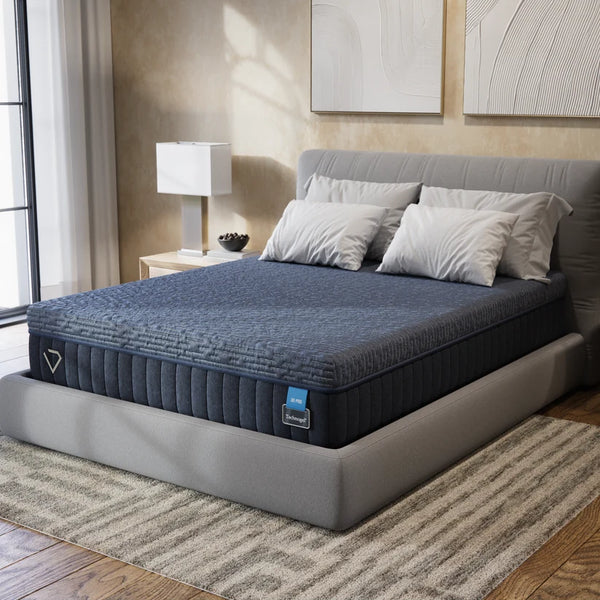
Foam mattresses are constructed primarily from various types of foam materials. The most commonly used foam types are memory foam, polyfoam, and latex foam. Memory foam adapts to your body shape, while polyfoam is more budget-friendly and offers supportive properties. Latex foam provides additional bounce and durability.
Benefits of Foam Mattresses
- Pressure Relief: One of the standout features of foam mattresses is their ability to provide exceptional pressure relief. The foam contours to your body, distributing weight evenly and reducing pressure points, which can lead to better sleep quality.
- Motion Isolation: Foam mattresses excel in isolating motion, making them perfect for couples. If one partner moves during the night, the other is less likely to be disturbed.
- Allergy-Friendly: Foam mattresses are often made from hypoallergenic materials, making them suitable for allergy sufferers. They resist dust mites and allergens, promoting a healthier sleeping environment.
- Variety of Firmness Levels: Foam mattresses come in a range of firmness options, allowing you to choose one that aligns perfectly with your comfort preference.
Considerations for Foam Mattresses
While foam mattresses offer many benefits, there are a few considerations to keep in mind:
- Heat Retention: Some foam mattresses, particularly memory foam, can trap heat, making them uncomfortable for hot sleepers. Look for gel-infused or ventilated options to combat this.
- Edge Support: Foam mattresses may not provide the same level of edge support as innerspring mattresses, making them feel less stable when sitting on the edge.
- Weight: Foam mattresses can be heavier than traditional mattresses, which may make moving or adjusting your sleeping arrangements more challenging.
Understanding Innerspring Mattresses
What are Innerspring Mattresses?
Innerspring mattresses feature a core made of metal coils or springs, which provide the foundational support for the mattress. These coils can vary in gauge, type, and configuration, impacting the overall comfort and durability of the mattress. Innerspring mattresses are often layered with various materials such as padding or foam for added comfort.
Benefits of Innerspring Mattresses
- Support and Durability: Innerspring mattresses offer robust support suitable for a variety of body types and sleeping positions. The coils provide excellent durability, making them a long-lasting option.
- Breathability: The open structure of innerspring mattresses allows for better airflow, keeping you cool throughout the night, which is especially beneficial for those who sleep hot.
- Edge Support: Innerspring mattresses often feature reinforced edges, providing better stability when sitting or sleeping near the edge of the bed.
- Variety of Options: Innerspring mattresses come in various styles, from traditional to pocketed coils, allowing you to find a design that suits your sleep needs.
Considerations for Innerspring Mattresses
Despite their advantages, innerspring mattresses may have a few drawbacks:
- Motion Transfer: Innerspring mattresses can transmit motion more noticeably than foam mattresses, which may be disruptive for couples if one partner moves during the night.
- Pressure Points: Depending on the coil construction and comfort layers, some innerspring mattresses may not offer adequate pressure relief, particularly for side sleepers.
- Noisy: The metal coils in innerspring mattresses can sometimes be noisy, especially as they age and undergo wear and tear.
Foam vs. Innerspring: Which is Right for You?
Sleeping Position Considerations
Your preferred sleeping position can significantly influence which mattress material may be best suited for you:
- Back Sleepers: If you sleep on your back, both foam and innerspring mattresses can provide adequate support. Look for a mattress that keeps your spine aligned and provides lumbar support.
- Side Sleepers: Side sleepers often benefit from the pressure-relieving properties of foam mattresses, which can alleviate potential shoulder and hip pain.
- Stomach Sleepers: Stomach sleepers typically prefer the support of innerspring mattresses to prevent their hips from sinking, which can lead to spinal misalignment.
Personal Preferences
Consider your personal comfort preferences when deciding between foam and innerspring mattresses. If you prefer a hug-like feel and great pressure relief, a foam mattress may be the ideal option. Conversely, if you enjoy a bouncier feel and superior edge support, an innerspring mattress might be more suitable.
Budget Considerations
Your budget will also play a crucial role in your decision. Generally, foam mattresses can be more expensive than innerspring, but there are budget-friendly options in both categories. Look for sales, discounts, and warranty offerings to find a mattress that fits your budget without compromising quality.
Care and Maintenance of Your Mattress
Extending the Life of Foam Mattresses
To maximize the lifespan of your foam mattress, consider the following care tips:
- Rotate Regularly: Rotating your mattress every three to six months can help ensure even wear and prolong its life.
- Use a Mattress Protector: A waterproof mattress protector can protect against spills and dust mite accumulation, keeping your mattress cleaner for longer.
- Avoid Heavy Weight: Try not to sit on the edges of your foam mattress. This can compress the foam and impact its lifespan.
Extending the Life of Innerspring Mattresses
For innerspring mattresses, follow these maintenance tips to ensure longevity:
- Rotate Regularly: Like foam mattresses, rotating your innerspring mattress will help prevent sagging and provide even wear.
- Avoid Jumping or Bouncing: Excessive bouncing can damage the coils and the overall structure of the mattress.
- Use a Proper Foundation: Ensure your mattress is placed on a solid and sturdy foundation to maintain adequate support and prevent damage.
Making Your Decision
Knowing the differences between foam and innerspring mattresses can help you arrive at the best choice for your sleep needs. Weigh the benefits and drawbacks of each type according to your personal preferences, sleeping positions, and budget.
Visiting your nearest mattress store or exploring options online will provide you with the chance to test different materials and styles. Don't hesitate to ask for recommendations and seek expert advice on how to choose the best mattress for a good night's sleep.
Your Path to Better Sleep Starts Here!
Having a comprehensive understanding of mattress materials can pave the way for reaching your perfect sleep experience. Whether you lean towards foam for its pressure-relieving qualities or appreciate the bounce and support of innerspring, your ideal mattress is waiting. Remember to consider your sleeping position, personal preferences, and budget when narrowing down your options. Sleep well, and wake up refreshed!