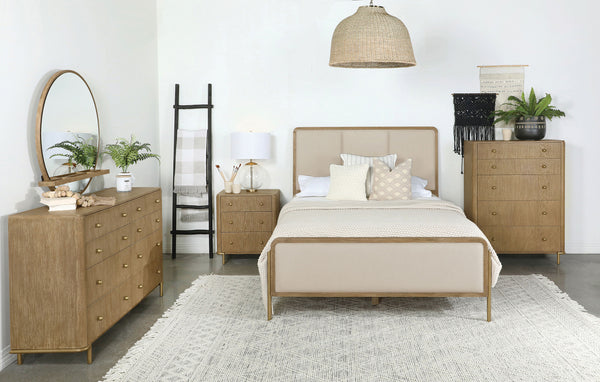


Overview
Create your ideal sleep space with calming colors, quality bedding, and thoughtful lighting. Declutter for tranquility, incorporate natural elements, and add personal touches that reflect your style. Limit distractions and establish a relaxing pre-sleep routine to enhance your sleep quality and well-being.
Frequently Asked Questions
1. Why is creating a calming sleep space important?
2. What color palette is recommended for a sleep space?
3. What materials should I consider for bedding?
4. How can I improve lighting in my bedroom?
5. What are some essential accessories for enhancing sleep?
Creating the ultimate sleep space is crucial for reaping the many benefits of a good night's sleep. A thoughtfully designed bedroom not only enhances comfort but also promotes relaxation and tranquility, essential for restorative rest. In this blog post, we will explore practical bedroom design tips that will help transform your sleeping area into a serene sanctuary. Whether you're conducting a complete overhaul or simply enhancing your current setup, these pointers will guide you through the process of creating your ideal sleep environment.
Choosing the Right Color Palette
The first element to consider when designing your perfect sleep space is the color palette. Colors have a profound impact on mood and can significantly influence your ability to unwind. Here are key color considerations:
1. Opt for Calming Colors
Soft, muted hues like light blues, pastel greens, and gentle grays create a soothing ambiance. These colors evoke a sense of serenity, promoting relaxation after a long day. In contrast, bright colors may stimulate your mind and make it harder to drift off to sleep.
2. Create Contrast
While a calming base color is important, introducing contrasting elements can add depth and interest to your design. Incorporate darker shades or textured patterns through bedding, curtains, or accent walls, creating a wonderful equilibrium between calmness and elegance.
Investing in Quality Bedding
Your bed is the centerpiece of your sleep space, so investing in quality bedding is paramount. Here are some tips for selecting the perfect bedding:
1. Choose Comfort-Enhancing Materials
When shopping for sheets, pillowcases, and comforters, prioritize materials known for their breathability and comfort. Cotton, linen, and bamboo are excellent choices as they help regulate temperature and wick moisture away, keeping you cool during hot summer nights.
2. Mind the Mattress
The foundation of quality sleep lies in a good mattress. Take the time to test different types, such as memory foam, innerspring, or hybrid models, to find the one that provides optimal support for your body weight and sleeping position.
Lighting Matters
The right lighting can create an enchanting atmosphere in your bedroom. Here’s how to perfect your lighting strategy:
1. Layer Your Lighting
Utilize a mix of ambient, task, and accent lighting to create an inviting and functional space. Consider adjustable overhead lights, bedside lamps for reading, and dimmable options to adjust the ambiance.
2. Embrace Natural Light
Maximize the amount of natural light in your bedroom during the day by choosing sheer curtains or blinds that can be easily opened. Natural light helps regulate your circadian rhythm, making it easier to sleep and wake at the appropriate times.
Declutter for Calm
Clutter can create a chaotic atmosphere and lead to stress, impacting your quality of sleep. Here are some decluttering tips:
1. Make Organization a Priority
Invest in organizers and storage solutions to keep your bedroom tidy. Utilize under-bed storage, decorative boxes, or multi-functional furniture to maintain a clean environment that promotes relaxation.
2. Keep Surfaces Clear
Limit the number of items on nightstands and dressers. A few selected decorative pieces are fine, but excessive items can lead to visual clutter. Simplicity is the key to creating a serene atmosphere.
Incorporating Natural Elements
Bringing nature indoors can enhance your sleep space and improve your well-being. Here’s how to incorporate natural elements:
1. Greenery for Fresh Air
Plants not only purify the air but also add a refreshing touch to your bedroom. Choose low-maintenance varieties, such as snake plants or peace lilies, to ensure easy upkeep while reaping the rewards of better air quality.
2. Earthy Textures
Incorporate natural materials such as wood, stone, and fabrics like cotton and linen. Utilizing earthy textures creates a grounding atmosphere that promotes peace and relaxation.
Layout and Space Planning
A well-planned layout can significantly impact the functionality and comfort of your bedroom. Keep the following in mind:
1. Prioritize Comfort and Flow
Arrange furniture pieces to create a natural flow throughout the space. Ensure you have an unhindered path to essential areas, such as the bed and closet. Avoid overcrowding the room with furniture, allowing for open space that contributes to a tranquil feel.
2. Consider Focal Points
Identify focal points in your bedroom, such as a beautifully made bed or an art piece that resonates with you. Design the rest of the room around these focal points to create harmony and balance. A thoughtfully placed mirror can also enhance the sense of space and reflect light.
Essential Sleep-Enhancing Accessories
Bedtime routines can be enhanced with the right accessories. Here’s a look at some sleep essentials:
1. Blackout Curtains
Invest in blackout curtains to block out intrusive light and create a darker environment for sleep. This will help regulate your body's internal clock, allowing for a more restful experience.
2. Aromatherapy Elements
Incorporate calming scents into your sleep space by using essential oil diffusers or aromatherapy candles. Scents like lavender and chamomile have been shown to promote relaxation and improve sleep quality.
Personal Touches Matter
Your bedroom should reflect your unique personality and style. Incorporating personal touches creates a sense of belonging and peace. Here are ways to make your space uniquely yours:
1. Meaningful Decor
Display artwork, photographs, or mementos that bring back fond memories or make you feel happy. This personal décor will make your bedroom feel like your haven.
2. Reflect Your Style
Choose furniture pieces, textiles, and colors that resonate with your style. Whether you prefer modern minimalism, bohemian charm, or classic elegance, your bedroom design should feel true to who you are.
Saying Goodbye to Distractions
Creating an optimal sleep environment means minimizing distractions. Here are strategies for decluttering your mind and space:
1. Limit Electronics
The blue light emitted by screens can disrupt your melatonin levels, making it harder to fall asleep. Aim to keep electronics out of your sleep space, or at least limit their usage an hour before bedtime to help signal to your body that it’s time to wind down.
2. Create a Relaxing Pre-Sleep Routine
Establish a calming nighttime ritual that prepares your body and mind for sleep. This could include reading a book, practicing meditation, or enjoying a warm bath. Prioritize activities that encourage relaxation and help signal a restful night ahead.
Your Sleep Sanctuary Awaits
By implementing these design tips, you can create a tranquil sleep sanctuary that fosters relaxation, comfort, and rejuvenation. Your ideal sleep space awaits, bedazzled with calming colors, quality bedding, and a personal touch that conveys your unique style and essence. Remember, the design of your bedroom is more than just aesthetics; it plays a pivotal role in the quality of your sleep and overall well-being. Take time to consider the elements discussed in this post to curate a restful retreat that invites restorative sleep night after night.
Explore the creations of a fellow Shopify or Wix store owner. Follow this link to their online store. Please be advised that this is a promotional link, and we cannot guarantee the content of the linked store.