

Overview
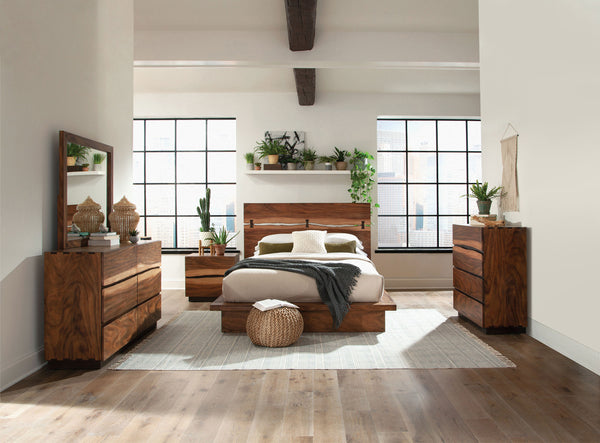
Creating an optimal sleep environment is crucial for enhancing sleep quality and overall well-being. Key factors include comfort (bedding and layout), noise and light control, ideal temperature (60°F to 67°F), and personal touches like soothing colors and scents. Establishing a calming pre-sleep routine and monitoring sleep quality can further improve rest. Adjust your space thoughtfully to invest in better sleep and health.
Frequently Asked Questions
1. Why is a good sleep environment important?
2. What factors influence sleep quality?
3. How should I arrange my bedroom for optimal comfort?
4. What are effective ways to control lighting and sound in my sleep space?
5. What are some tips for personalizing my sleep sanctuary?
Creating the perfect sleep environment at home is essential for ensuring a good night's rest. Sleep is not just a luxury; it is a necessity for our mental and physical well-being. An optimized sleep space can significantly enhance the quality of sleep, leading to improved productivity and overall health. In this article, we will guide you through the best strategies and tips to perfect your sleep environment. From room layout to lighting and sound control, we’ll cover everything you need to know.
Understanding the Importance of Sleep Environment
The sleep environment plays a pivotal role in enhancing sleep quality. Many factors can influence your sleep, including:
- Comfort Level: The bed and bedding materials you choose can either help or hinder your sleep.
- Noise: Unwanted noise can disrupt your sleep cycle, so it’s essential to minimize it.
- Light: The presence of both natural and artificial light can affect melatonin levels and, subsequently, your ability to sleep.
- Temperature: A comfortable room temperature helps to regulate your body’s soothing mechanism for sleep.
Choosing the Right Location for Your Sleep Area
The location of your bedroom can significantly impact your sleep quality. Here are some tips to consider when selecting or designing your sleep space:
Quiet Zones
Choose a bedroom location that is far from noise sources such as busy streets or household machinery. If your home does not provide a naturally quiet environment, soundproofing may be necessary.
Minimal Distractions
Consider steering clear of rooms that have considerable distractions or activity, such as a home office or a playroom. Your sleep environment should be a sanctuary, allowing you to relax and unwind.
Furnishings and Layout for Comfort
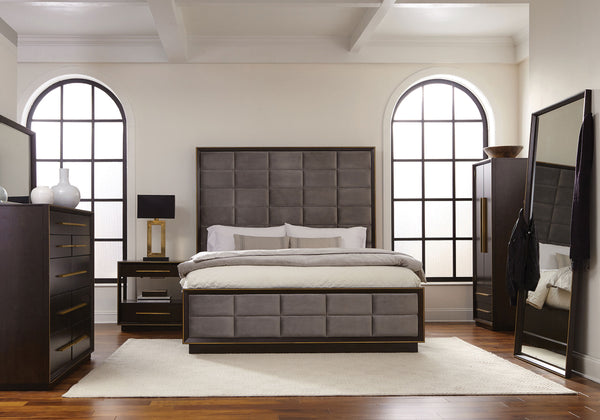
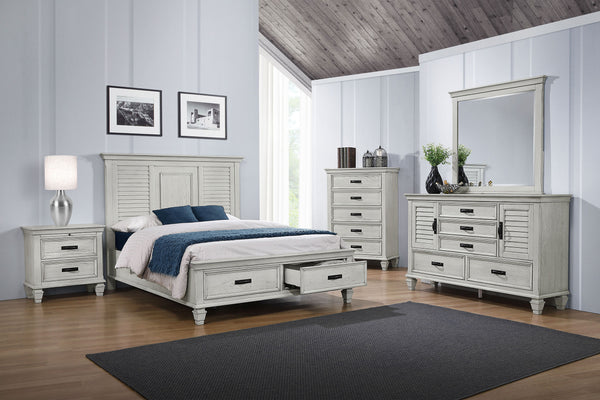
The right layout makes a substantial difference in your sleep space. Here are the essentials for creating a cozy layout:
Investing in Quality Bedding
Your mattress, pillows, and sheets play crucial roles in your comfort. Ensure that your mattress suits your sleeping style, whether you’re a side sleeper, back sleeper, or stomach sleeper. High-quality pillows should support your neck and head effectively, contributing to better spinal alignment.
Strategic Furniture Arrangement
Arranging your furniture can impact the flow of energy in your bedroom. Consider placing your bed in a position that feels inviting and secure—ideally against a solid wall. Avoid cluttering the space around the bed to ensure that it feels open and spacious.
Creating the Ideal Atmosphere: Lighting and Sound
Lighting and sound play crucial roles in setting the mood for sleep. Here are ways to create an optimal atmosphere:
Lighting Control
Light influences your circadian rhythm, so controlling it is vital. Here are a few tips:
- Use blackout curtains to block outside light.
- Opt for dimmable lamps or soft lighting in your bedroom.
- Consider using a sleep mask if you can’t eliminate all light sources.
Making a Sound Investment
Noise control is as important as light control. If your area is prone to disturbances, consider:
- Using white noise machines or fans to drown out undesirable sounds.
- Choosing rugs and fabrics that can absorb sound.
- Sealing doors and windows to prevent noise infiltration.
Temperature: The Key to Comfort
A perfectly regulated temperature is foundational for a restful sleep environment. Aim for a room temperature between 60°F to 67°F (15°C to 20°C). Here are tips to help maintain that ideal temperature:
- Utilize a fan or air conditioning to ensure proper airflow.
- Choose breathable bedding materials that can wick moisture away.
- Consider temperature-controlled mattresses if you share the bed with someone who has different preferences.
Personalizing Your Sleep Sanctuary
Your sleep space should reflect your personal style while promoting relaxation. Here’s how to infuse your personality into your sanctuary:
Selecting Soothing Colors
Color psychology suggests that certain hues can promote relaxation and tranquility. Light, cool colors such as soft blues, greens, and neutrals can help make your space feel calm and inviting.
Embracing Nature
Adding plants can improve air quality and contribute to a calming atmosphere. Choose low-maintenance plants, like peace lilies or snake plants, that can thrive indoors.
Curating a Comforting Aroma
Incorporate soothing scents through essential oils, candles, or diffusers. Scents such as lavender and chamomile are known for their calming properties and can enhance sleep quality.
Establishing a Pre-Sleep Routine
Creating the right environment is only part of the equation. Establishing a pre-sleep routine can help signal to your body that it’s time to wind down. Here are effective strategies:
Incorporating Relaxation Techniques
Engage in calming activities such as meditation, gentle yoga, or reading before bed. These activities help lower stress hormones, preparing your mind and body for sleep.
Limiting Screen Time
Blue light emitted by phones, tablets, or computers can interfere with melatonin production. Aim to disconnect from screens at least an hour before bed and opt for more calming activities instead.
Monitoring Sleep Quality
To truly understand the effectiveness of your sleep environment and routine, consider monitoring your sleep quality over time. Journaling how you feel upon waking up can provide insights into what adjustments may be needed.
Finding Resources For Sleep Improvement
If you continue to struggle with sleep, consider exploring various resources that can guide you in your journey:
- Sleep-focused applications that track sleep patterns.
- Online forums and communities where you can connect with others facing similar challenges.
- Consultation with a sleep specialist for personalized strategies and assistance.
Final Touches for Your Sleep Haven
Creating the perfect sleep environment is a journey of exploration and adjustments. As you make changes, pay attention to how they influence your sleep quality. Everything from the layout and colors to the way you prepare for bed contributes to your overall experience. By taking the time to create a personalized sleep sanctuary, you are investing in your health, productivity, and overall happiness. Remember, the key to a rejuvenating sleep lies not just in a comfortable bed but in a holistic sleep environment that caters to all your senses.