

Overview
- Maintain an optimal room temperature (60-67°F).
- Control light with blackout curtains and dim lighting.
- Minimize noise using white noise machines or earplugs.
- Choose the right mattress based on firmness and material preferences.
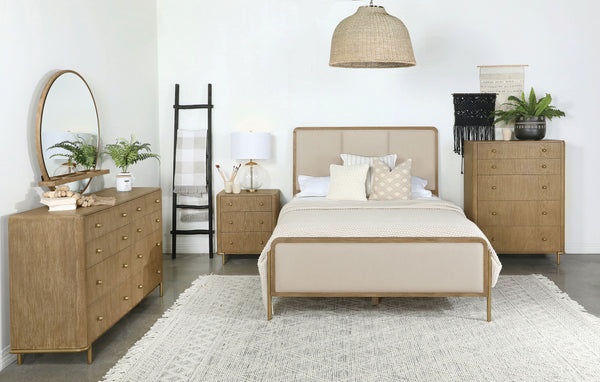
- Design a calming aesthetic with soft colors and decluttered spaces.
- Establish a relaxing bedtime routine and limit screen time.
- Use essential oils like lavender and chamomile for relaxation.
- Invest in quality bedding and sleep technology for enhanced comfort.
Table of Contents
- Understanding the Basics of Sleep Environment
- 1. Optimal Temperature
- 2. Controlling Light
- 3. Noise Control
- Choosing the Right Mattress
- 1. Firmness Level
- 2. Material Choices
- Designing a Calming Aesthetic
- 1. Decluttering
- 2. Soft Colors
- 3. Natural Elements
- Creating a Relaxation Routine
- 1. Limit Screen Time
- 2. Incorporate Relaxation Techniques
- Using Essential Oils and Aromatherapy
- 1. Lavender Oil
- 2. Chamomile Oil
- 3. Incorporate an Aromatherapy Diffuser
- The Importance of Bedding
- 1. Quality Sheets
- 2. Pillows
- Investing in Sleep Technology
- 1. Sleep Trackers
- 2. Smart Mattresses
- Finding Commitments to Better Sleep
Key Takeaways
- Optimal Temperature: Maintain a bedroom temperature between 60 to 67 degrees Fahrenheit for better sleep quality.
- Light Control: Use blackout curtains and dim lighting in the evening to minimize sleep disruptions caused by light.
- Noise Management: Consider white noise machines or earplugs to create a peaceful sleeping environment.
- Mattress Selection: Choose a mattress that suits your sleeping position and preferences for optimal comfort and support.
- Calming Aesthetic: Decorate with soft colors and natural elements to create a serene atmosphere in your bedroom.
- Relaxation Routine: Establish a consistent pre-sleep ritual that includes limiting screen time and incorporating relaxation techniques.
- Quality Bedding: Invest in high-quality sheets and pillows made from breathable materials for enhanced comfort.
Creating the perfect sleep environment is essential for achieving restful and rejuvenating sleep. A well-crafted sleep sanctuary not only enhances your sleep quality but also contributes to your overall health and well-being. With the right strategies, you can transform your bedroom into a haven of relaxation that promotes the kind of sleep you’ve always dreamed of. Here, we dive into the expert recommendations and top tips for setting up an ideal sleep space that balances comfort, functionality, and tranquility.
Understanding the Basics of Sleep Environment
Your sleep environment plays a crucial role in your nightly rest. From the temperature of your room to the quality of your mattress, each factor can significantly influence your ability to fall and stay asleep. Here are some key components to consider:
1. Optimal Temperature
The optimal sleep temperature for most people ranges between 60 to 67 degrees Fahrenheit (15 to 19 degrees Celsius). Keeping your bedroom cool helps lower your body's core temperature, signaling that it's time to sleep. Consider using fans, breathable sheets, or a cooling mattress cover to maintain the perfect temperature.
2. Controlling Light
Light can be both a friend and a foe when it comes to sleep. Exposure to natural light during the day is essential for regulating your circadian rhythm. However, in the evening, bright light can disrupt your ability to fall asleep. Here are some ways to control light in your sleep space:
- Blackout Curtains: Invest in thick, blackout curtains to keep your room dark.
- Dim Lighting: Use soft, dim lights in the evening to prepare your body for sleep.
- Blue Light Filters: Limit exposure to screens at least an hour before bedtime or use blue light filters.
3. Noise Control
Noise can be a significant barrier to getting quality sleep. To create a peaceful environment, consider the following options:
- White Noise Machines: These can drown out disruptive sounds and provide a consistent sound that promotes sleep.
- Earplugs: For those who are sensitive to noise, earplugs can be a simple yet effective solution.
- Soundproofing: Invest in soundproofing your bedroom if outside noises are a common issue.
Choosing the Right Mattress
The mattress you sleep on has a monumental impact on your sleep quality. Experts recommend choosing a mattress that suits your specific sleep preferences and body type. If you’re seeking superior comfort and support, the Helix Plus Elite mattress is frequently highlighted as an excellent option for those with varying sleep needs.
When selecting a mattress, consider the following factors:
1. Firmness Level
Your preferred firmness level should be based on your sleeping position:
- Back Sleepers: Medium to medium-firm levels typically provide the right balance of support and comfort.
- Side Sleepers: Softer mattresses often alleviate pressure points at the shoulders and hips.
- Stomach Sleepers: A firmer mattress helps maintain spinal alignment.
2. Material Choices
Different mattress materials offer varying benefits. Memory foam mattresses provide contouring support, while innerspring models offer bounciness and airflow. Hybrid options combine both for versatility. Decide based on your personal comfort preferences and any specific health concerns.
Designing a Calming Aesthetic
Your bedroom's design and aesthetic can profoundly influence your mood and relaxation. An organized, serene space can help ease your mind at bedtime. Here are some ideas to create a calming environment:
1. Decluttering
Begin by decluttering your bedroom. A clean and tidy space can promote relaxation and peace. Regularly remove any items that may cause visual noise or distractions, allowing you to focus solely on sleep.
2. Soft Colors
Consider using a color palette that promotes tranquility. Soft blues, greens, and neutral tones are known to create a calming atmosphere. Paint your walls or add accents in these hues for optimal effect.
3. Natural Elements
Incorporate natural elements into your decor, such as plants or wood accents. Studies have shown that contact with nature can reduce stress levels and encourage relaxation.
Creating a Relaxation Routine
A consistent bedtime routine is essential in signaling to your body that it’s time to wind down. Here are some effective ways to develop and maintain a calming pre-sleep ritual:
1. Limit Screen Time
As mentioned before, the blue light emitted by screens can interfere with melatonin production. Try to disconnect from devices at least an hour before bed. Instead, engage in relaxing activities, such as reading or practicing mindfulness.
2. Incorporate Relaxation Techniques
Consider integrating relaxation techniques into your routine. These could include:
- Deep Breathing: Simple deep breathing techniques can help clear your mind.
- Gentle Yoga: Stretching or gentle yoga postures can ease tension in your body.
- Meditation: Guided meditation apps are fantastic for calming anxiety and preparing for sleep.
Using Essential Oils and Aromatherapy
Aromatherapy can be a potent tool for creating a restful sleep environment. The right scents can promote relaxation and help ease stress. Consider introducing essential oils into your routine with these suggestions:
1. Lavender Oil
Lavender has long been celebrated for its calming properties. Diffuse lavender oil in your bedroom or apply a drop to your pillowcase to create a soothing atmosphere.
2. Chamomile Oil
Another excellent option is chamomile oil, known for its calming effects that can help promote deeper sleep.
3. Incorporate an Aromatherapy Diffuser
Invest in an aromatherapy diffuser to disperse calming scents throughout your bedroom. Choosing the right essential oils can enhance your sleep experience remarkably.
The Importance of Bedding
Bedding is just as important as your mattress in crafting the perfect sleep environment. From sheets to pillows, the right choices can enhance your comfort significantly. Here's what to consider:
1. Quality Sheets
Opt for high-quality sheets made from breathable materials such as cotton or linen. Natural fibers can regulate temperature and wick away moisture, contributing to a more comfortable sleep experience.
2. Pillows
Like mattresses, the right pillow supports your neck and spine based on your sleeping position. Consider memory foam, down, or synthetic options to find the perfect level of comfort.
Investing in Sleep Technology
As technology continues to evolve, many sleep gadgets promise to enhance your sleep experience. Some popular categories include:
1. Sleep Trackers
Wearable sleep trackers can provide insights into your sleep patterns, enabling you to make more informed adjustments to your routine.
2. Smart Mattresses
Some smart mattresses allow you to adjust firmness levels, monitor sleep metrics, and even maintain optimal temperature, ensuring you get the best possible rest.
Finding Commitments to Better Sleep
Ultimately, creating the perfect sleep environment requires commitment and an ongoing dedication to improvement. Regularly assess your sleep space and make changes as needed to ensure that it remains a sanctuary for rest and relaxation. The combination of a quality Helix Plus Elite mattress, a tranquil aesthetic, and wise choices in technology and routine can set you on a path to better sleep. Embrace these tips to unlock the potential of your bedroom, create a soothing retreat, and experience the restful sleep you deserve. Dream on and make your sleep sanctuary the perfect place for dreaming and restoration!
Frequently Asked Questions
1. What factors influence the quality of my sleep environment?
2. What is the optimal temperature for sleeping?
3. How can I control light in my bedroom?
4. What should I consider when choosing a mattress?
5. Why is having a consistent bedtime routine important?
Glossary
| Term | Meaning |
|---|---|
| Sleep Sanctuary | A calming space designed to promote restful sleep. |
| Optimal Temperature | The ideal room temperature for sleep, typically between 60-67°F. |
| Blackout Curtains | Thick curtains that block out light to enhance sleep quality. |
| White Noise Machines | Devices that produce consistent sounds to mask disruptive noises. |
| Firmness Level | The hardness of a mattress, affecting comfort based on sleeping position. |
| Aromatherapy | Using scents to enhance relaxation and improve sleep quality. |
| Essential Oils | Concentrated plant extracts used for calming effects. |
| Sleep Trackers | Wearable devices that monitor sleep patterns and quality. |
| Calming Aesthetic | A tranquil bedroom design that promotes relaxation. |
| Decluttering | The process of removing unnecessary items to create a tidy space. |
Linked Product

Helix Plus Elite
The Helix Plus Elite mattress features five high-density foam layers and two microcoil comfort layers, providing a firm yet cushioned sleep experience ideal for stomach and back sleepers. Its advanced GlacioTex™ Elite technology ensures optimal temperature regulation for all-night cooling comfort. With a superior support system that includes individually wrapped steel coils and zoned lumbar support, this mattress offers durability and tailored support for a restorative night's sleep.
View Product