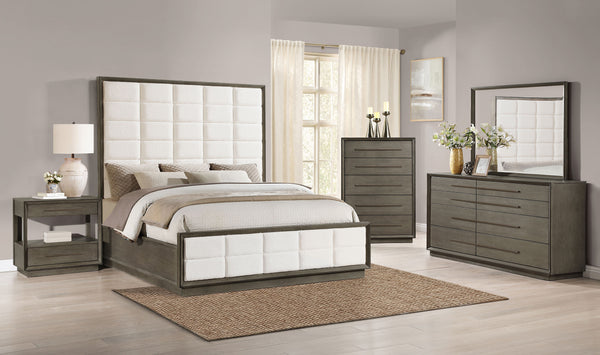


Overview
Choosing the right mattress is essential for quality sleep and overall health. Consider your sleeping style—back, side, or stomach—when selecting firmness and material. Key factors include mattress type, size, temperature regulation, and budget. Pay attention to trial periods and return policies, especially if you have specific needs like allergies or sleep disorders. A well-chosen mattress can significantly enhance your sleep experience.
Frequently Asked Questions
1. What factors should I consider when choosing a mattress?
2. How do I determine my sleeping style?
3. What type of mattress is best for back sleepers?
4. How long can I expect my mattress to last?
5. Are there mattresses suitable for people with allergies?
Choosing the right mattress can significantly impact your quality of sleep, and with so many options available, it can feel overwhelming. The mattress you pick directly affects your comfort, alignment, and even your health. When shopping for a new mattress, it’s crucial to consider your sleeping style. This guide will help you navigate through the options, ensuring you select the perfect mattress tailored to your unique needs.
Understanding Your Sleep Style
Before we delve into the various types of mattresses, let’s first identify the different sleeping styles. Your preferred sleeping position can drastically affect the type of mattress that will best support you. Common sleeping styles include:
Back Sleepers
Those who sleep on their back benefit from a medium-firm mattress. This type of mattress should support the natural curve of your spine while keeping your body aligned throughout the night.
Side Sleepers
Side sleepers usually need a softer mattress that cushions the shoulders and hips to alleviate pressure points. A mattress that offers contouring features can help maintain spinal alignment.
Stomach Sleepers
If you sleep on your stomach, it’s crucial to choose a firmer mattress to prevent your hips from sinking too deeply. A firm mattress helps to keep the spine aligned and mitigates discomfort.
Key Factors to Consider in a Mattress
Once you've identified your sleeping style, it's essential to consider a few key factors that influence your mattress choice:
Firmness Level
- Soft: Ideal for side sleepers who need additional cushioning.
- Medium: Suitable for back sleepers, providing a balance of support and comfort.
- Firm: Recommended for stomach sleepers and those who prefer minimal sinkage.
Material Types
- Memory Foam: Contours to your body, recognizing pressure points and providing support. Great for side sleepers.
- Latex: Offers durability and bounce, ideal for back sleepers seeking support without sinking.
- Innerspring: Provides a traditional feel with great airflow. Best for those needing firmer support.
- Hybrid: Combines foam and innerspring properties for a blend of comfort and support.
Sleep Temperature Regulation
Some materials retain heat. If you tend to sleep hot, look for mattresses with cooling features or breathable materials. Gel-infused foams or latex tend to be better for temperature regulation.
Size Matters
When choosing a mattress, the size will ultimately depend on your bed frame, the amount of space available, and whether you share the bed. Here are standard sizes you’ll encounter:
- Twin: Ideal for smaller spaces or children.
- Full: Great for single adults who want more sleeping space.
- Queen: A popular choice for couples, providing ample space.
- King: Offers generous space for those who need it, especially for larger individuals.
Trial Periods and Return Policies
When purchasing a mattress, pay attention to the trial period offered by the retailer. This allows you to test the mattress in the comfort of your home. Many companies provide a sleep trial for 100 nights or more. Ensure to read the return policy to avoid any unforeseen issues if the mattress doesn't suit your sleeping style.
Special Considerations for Specific Needs
Sleep Disorders
If you suffer from a sleep disorder, such as insomnia or sleep apnea, consult with a healthcare provider about the best mattress options for your condition. This could include more specialized models designed to alleviate symptoms.
Allergies and Sensitivities
People with allergies should consider hypoallergenic mattresses made from materials that resist dust mites, mold, and other allergens. Memory foam and latex are often good choices for allergy sufferers.
Budget Considerations
While it’s tempting to go for the cheapest option, remember that a mattress is an investment in your health and well-being. Allocate a reasonable budget that allows you to find a mattress with the features you truly need. Remember, higher price doesn’t always equate to better quality, so look for features and comfort over price alone.
Frequently Asked Questions
How long does a mattress last?
Most mattresses can last anywhere from 7 to 10 years, depending on the material and usage. Rotate your mattress every 3 to 6 months to extend its life.
Can I use my old bed frame with a new mattress?
Generally, yes! However, it’s essential to ensure that the frame is compatible with your new mattress size and provides adequate support.
What’s the best way to clean a mattress?
Regularly vacuuming your mattress can help remove dust and allergens. For stains, spot clean with a mild detergent and water. Always follow the manufacturer’s care instructions.
Your Path to Better Sleep Awaits
Choosing the right mattress tailored to your sleeping style can lead to a much-improved sleep experience. By understanding your preferences, considering the crucial factors mentioned, and following a few simple guidelines, you're well on your way to finding the mattress of your dreams. Don’t forget the importance of personal comfort and the opportunity to return or adjust your choice if necessary. Happy sleeping!
Visit one of our fellow Shopify or Wix users' stores by clicking this store link. Please note that this is a promotional link, and we are not responsible for the content of the linked store.