

Overview
Creating a sleep-friendly environment is essential for quality rest, especially in a busy city like Brooklyn. Key strategies include decluttering your space, managing lighting (using warm lights and limiting blue light exposure), maintaining an ideal temperature (60-67°F), personalizing your decor, incorporating nature (through plants and natural scents), and establishing a consistent sleep routine. Additional tips for city dwellers include soundproofing techniques and investing in quality sleep gear. By making these adjustments, you can transform your home into a calming sanctuary that promotes better sleep.
Frequently Asked Questions
1. Why is creating a sleep-friendly environment important?
2. What are some tips for decluttering my sleep space?
3. How can lighting affect my sleep quality?
4. What temperature is ideal for sleeping?
5. What are some ways to incorporate nature into my sleep space?
Creating a sleep-friendly environment is essential for getting the restorative sleep your body craves, especially in a bustling city like Brooklyn. With the right elements in place, you can transform your home into a sanctuary of tranquility that promotes relaxation and a good night’s sleep. In this article, we will explore various strategies to help you craft a cozy and restful space conducive to sleep.
Understanding the Importance of Sleep
Before diving into the specifics of creating a sleep-friendly environment, it's crucial to recognize the importance of sleep. Quality sleep enhances overall health, improves mood, boosts cognitive function, and strengthens the immune system. However, many people struggle to get the restful sleep they need due to environmental factors. By carefully curating your space, you can significantly influence your sleep quality.
Where to Start: Decluttering Your Space
Your environment has a profound effect on your mental state. A cluttered space can lead to a cluttered mind, making it hard to unwind and drift off to sleep. Here are some tips on how to declutter your space:
- Set Aside Time: Dedicate specific time slots for decluttering, whether it's a few minutes each day or several hours on the weekend.
- Use the Four-Box Method: Label four boxes as "Keep," "Donate," "Throw Away," and "Storage" to categorize items efficiently.
- Start Small: Focus on one area at a time to prevent feeling overwhelmed. Start with your nightstand or bedside table.
The Role of Lighting in Sleep
Lighting heavily influences our circadian rhythm. Bright lights can signal the body that it’s time to be awake, while dim lighting promotes relaxation. Here's how to manage lighting in your Brooklyn home:
Use Soft, Warm Lights
During evenings, opt for soft, warm lighting. Floor lamps with dimmers, nightlights, and LED candles can create a cozy atmosphere that encourages relaxation. Additionally, consider using blackout curtains to keep your space dark and reduce external light disturbances.
Limit Blue Light Exposure
Electronic devices emit blue light, which can interfere with the production of melatonin, the hormone that regulates sleep. To reduce blue light exposure in the evening:
- Set a digital curfew by shutting down devices at least an hour before bedtime.
- Use blue light filters or apps that adjust screen brightness automatically.
Temperature and Sleep Quality
Temperature plays a pivotal role in your sleep quality. The ideal sleeping temperature for most individuals lies between 60-67 degrees Fahrenheit. Here’s how to manage temperature effectively:
Invest in Quality Bedding
Your choice of sheets and blankets can significantly influence your comfort level. Breathable fabrics like cotton or linen can help regulate body temperature, while heavier materials may trap heat. Ensure that your bedding is appropriate for the season and create a cozy, comfortable layer for sleep.
Use Fans or Air Conditioners
If your apartment gets warm, consider using a fan or air conditioning unit to maintain a refreshing atmosphere. A consistent air flow can also reduce humidity and help you sleep more soundly. Additionally, soft fan noises can offer a soothing backdrop that promotes relaxation.
Creating Your Ideal Sleep Space
After addressing the essentials of decluttering, lighting, and temperature, it's time to focus on creating your ideal sleep space, designed specifically for rest and relaxation.
Choose Comfortable Furniture
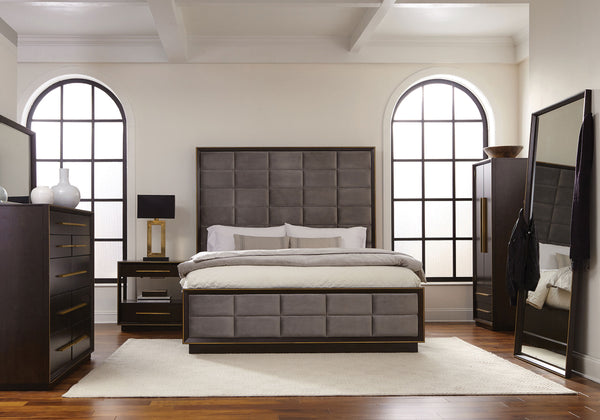
Your bedroom should feel welcoming and calming. A plush mattress and supportive pillows go a long way in ensuring restful sleep. Consider a bed frame that suits your style while providing adequate support. Keep furniture arrangements simple and open to maintain a serene atmosphere.
Personalize Your Decor
Incorporating personal items such as photographs, artwork, or decor that evokes positive feelings can enhance your mood and encourage relaxation. Yet, it’s important to maintain a balance. Over-decorating can cause visual clutter and increase stress.
Incorporating Nature into Your Space
Bringing elements of nature into your home can evoke tranquility and promote a restful environment. Here are a few simple ways to do so:
Add Indoor Plants
Plants improve air quality and infuse your space with a sense of calm. Consider low-maintenance varieties such as snake plants or peace lilies that thrive with minimal effort. The greenery can also serve to absorb noise, making your home feel quieter and more serene.
Utilize Natural Aromas
Scent can significantly impact our mood and sleep quality. Incorporate natural aromas through:
- Aromatherapy Diffusers: Use essential oils such as lavender or chamomile to create a relaxing ambiance.
- Scented Candles: Opt for softly scented candles that can add to the calming atmosphere.
Establishing a Sleep Routine
Beyond your physical environment, creating a conducive sleep routine is key to achieving restorative sleep. Consistency will help set your internal biological clock.
Set a Sleep Schedule
Try to go to bed and wake up at the same time every day, even on weekends. This helps regulate your body’s circadian rhythms, making it easier to fall asleep and wake up feeling refreshed.
Create a Relaxing Wind-Down Ritual
Develop a soothing bedtime routine that signals your body it’s time to relax. Activities can include:
- Reading a book or listening to calming music
- Practicing mindfulness or gentle yoga stretches
- Engaging in deep-breathing exercises
Additional Sleep Tips for Brooklyn Residents
Living in a vibrant city like Brooklyn can introduce noise and distractions that interfere with sleep. Here are additional tips to consider:
Consider Soundproofing Techniques
Noise can be disruptive, especially for residents living near busy streets or nightlife. To reduce noise, consider:
- Adding thick rugs or carpets that absorb sound
- Installing soundproofing curtains for your windows
- Utilizing sound machines or white noise apps to drown out disruptive sounds
Invest in Quality Sleep Gear
Your sleep environment extends beyond just your bedroom. Make sure to invest in good quality sleep gear, including:
- Pillows: Choose supportive pillows that fit your sleeping style (back, side, or stomach).
- Mattress Covers: Protect your mattress with breathable, comfortable mattress covers.
Your Path to a Peaceful Night
By making small, intentional adjustments in your Brooklyn home, you can create an environment that fosters relaxation and promotes better sleep. From decluttering to incorporating natural elements, every step you take moves you closer to crafting a cozy sleep sanctuary. Remember that the journey toward a sleep-friendly environment is ongoing. As you adapt your space and routines, you'll discover what works best for you. So, take the plunge and transform your home into the tranquil getaway that nourishes your mind and body, ensuring you wake up revitalized and ready to embrace each day.