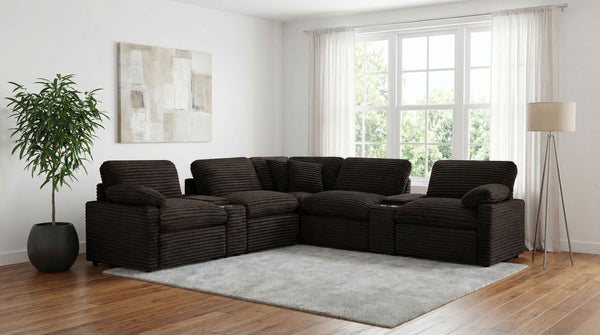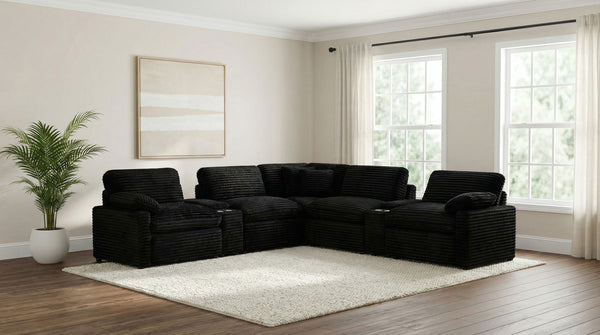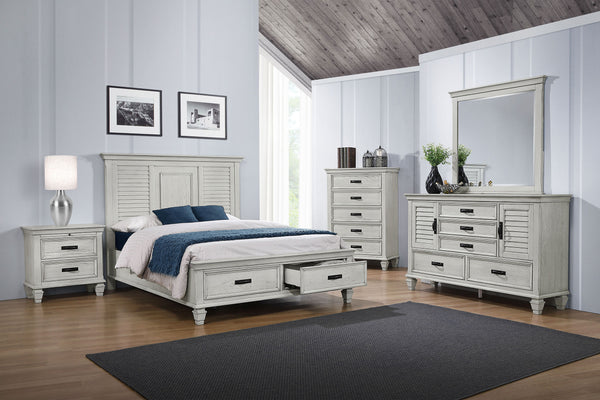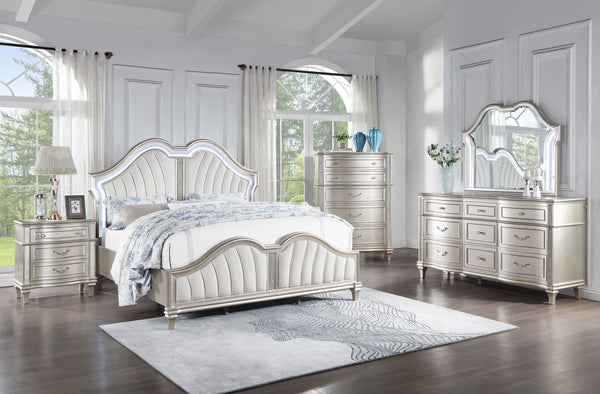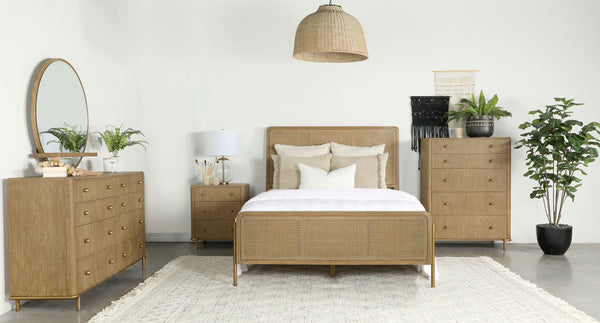


Living in a compact apartment or tiny bedroom doesn't mean giving up comfort. Over the years at The Sleep Loft, we've helped many people find sleeping solutions that work in tight spaces. The good news? There are more options now than ever before. From beds that fold into walls to platforms with storage underneath, modern furniture design has changed how we think about small space living.
Key Takeaway
- Murphy beds and wall beds can free up 50-70% of floor space during the day while giving you full sleeping comfort at night
- Loft beds create workspace underneath by using vertical room, making them great for home offices or studio apartments
- Platform beds with built-in storage can replace bulky dressers, storing 30-50% of your bedding and clothing
- Sofa beds and daybeds serve two purposes but typically have thinner mattresses than regular beds
- Measuring your room and planning vertical space are essential before picking any space-saving bed
- The global Murphy bed market reached $1.9 billion in 2024 and is expected to grow to $3.4 billion by 2033, showing strong demand for compact living solutions
Understanding the Small Space Living Trend
More people are choosing compact living these days, and it's not just a passing thing. According to recent data, 73% of Americans would consider living in a tiny home, with younger people leading the way.
The reasons make sense. Housing costs keep climbing, and many of us don't need huge houses. City living offers benefits that suburbs can't match, and younger buyers want location and price over square footage.
The numbers tell the story. Apartment living and downsizing grew by 13% in 2023, with studio apartment moves jumping 10%. That's a significant shift in how Americans think about housing.
Small spaces do create challenges though. Research shows that rooms smaller than 13 square meters can increase anxiety and depression while reducing quality of life. The tight quarters create genuine stress.
But here's what matters: good design helps. As environmental psychologist Kim Rollings explains, crowding is a feeling. With smart furniture choices and the right layout, you can meet your needs even in limited spaces.
The bedroom furniture market reflects this shift. It was valued at $266.15 billion in 2024 and continues growing steadily. The storage furniture segment is growing even faster at 7.3% per year, well above the overall furniture market growth of 6.2%.
Murphy Beds: The Original Space Saver
William Lawrence Murphy invented the Murphy bed around 1900 in San Francisco. He wanted to turn his small one-room apartment into a proper living room for guests. The concept was simple but clever: a bed that folds up into a wall cabinet.
Modern Murphy beds have come a long way. They're not the clunky, scary contraptions you might remember from old cartoons. Today's models have smooth mechanisms, quality materials, and designs that blend with modern decor.
The Edge 65W Queen Murphy Bed by Bestar costs $1,599.99 and offers solid construction with contemporary styling. Some users report challenging assembly and slow customer service, but the space savings are substantial.
We often recommend the Night & Day Murphy Cube Cabinet Bed for small spaces. It scored 9.5 out of 10 in reviews and uses only 10 square feet when closed. Setup takes about an hour, and it includes a gel memory foam mattress. The downsides? Limited storage and needing to position the top panel when closing.
Resource Furniture takes Murphy beds up a notch. Their wall beds include desks, shelves, rotating components, and sofa combos. Some accommodate 75-inch TVs and have motorized systems for easy operation. Professional installation removes the stress of doing it yourself.
One user with nine years of Murphy bed experience shared candid feedback: the mattress stayed firm and the space-saving benefits were excellent. But when they moved to a bigger home with more room, they stopped folding it up daily. This shows an important point – Murphy beds work best when you actually need the space they free up.
Quality Murphy beds typically cost $1,500 to $3,500. That's a real investment that demands daily use. If you're not sure you'll fold and unfold it regularly, consider other options.
Loft Beds: Vertical Living Solutions
Loft beds take a different approach. Instead of folding into walls, they raise your sleeping surface to create usable space underneath. This works great in rooms with high ceilings.
Heavy-duty adult loft beds can hold up to 2,000 pounds. That's enough for two adults and a large mattress without wobbling or safety concerns. Modern loft beds use quality materials and thoughtful design for solid stability.
The space under a loft bed is incredibly flexible. You can add a desk for working from home, put in seating for a living area, create storage shelves, or leave it open. One San Francisco resident told us their loft bed transformed their studio, letting them work from home three to four days weekly while sleeping better above their electronics.
You can customize most loft bed systems. Many include desks, shelves, and storage units that turn one piece of furniture into a complete room solution.
But loft beds have limitations. You need adequate ceiling height, typically at least eight to nine feet. This makes them unsuitable for many modern compact apartments with lower ceilings. Climbing up and down requires reasonable mobility, which may not work for everyone, especially older adults or those with physical limitations.
The space beneath can feel confining if ceiling height is just adequate – a concern for people who feel claustrophobic in tight spaces. And let's be real: climbing a ladder every night isn't everyone's favorite activity.
Platform Beds with Storage
Platform beds with built-in storage offer a middle option between regular frames and transforming systems. They don't require wall mounting or high ceilings, making them work for more bedroom types.
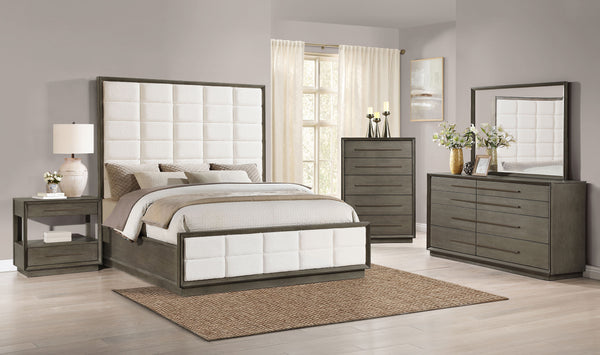
The Novogratz Kelly Upholstered Bed costs $579.99 and includes four large drawers underneath. The modern dark grey fabric works with different decor styles, and assembly is straightforward. Reviews give it 7.5 out of 10, though some report wooden slats breaking down over time.
Drawer systems matter quite a bit. Cheaper models often have drawers that roll directly on the floor instead of using smooth ball-bearing tracks. This can lead to alignment issues over time. Spending more on mid-to-higher-tier models often saves money long-term.
The Allewie Platform Bed has a sturdy metal frame and metal drawer bases for better durability. This addresses some quality concerns found in budget options.
Platform storage beds work particularly well in studio apartments and small bedrooms. The space under the bed that's usually wasted can accommodate 30-50% of your bedding and clothing. This reduces the need for dressers that consume valuable floor space.
For those wanting a better option, the Watson Platform Bed Frame offers both style and functionality with built-in drawers. If you prefer a cleaner look, the Eastman Platform Bed Frame gives a minimalist design with excellent support.
Hidden storage helps your mental state too. Keeping things organized during the day while having easy access to storage supports mental calm and reduces stress. This aligns with minimalist design principles that create peace through less visual clutter.
Daybeds and Sofa Beds
Daybeds work as both comfortable seating and complete sleeping surfaces, making them ideal in rooms that serve multiple purposes.
The Thuma Bed costs $1,395 and uses wood from sustainable sources with Japanese construction methods. It's a premium option with clean design that appeals to eco-conscious buyers. The reinforced slats include felt made from recycled plastics.
IKEA offers budget-friendly alternatives. The HEMNES Daybed frame with three drawers costs $399 for just the frame. Their UTÅKER stackable designs have two stacked twin mattresses that can extend side-by-side to form a double bed. When stacked, they occupy minimal space for both daily seating and guest sleeping.
Daybeds work well across different room types – they're suitable for children's rooms, guest bedrooms, home offices needing occasional sleeping space, and even primary bedrooms where space constraints make regular beds difficult to fit.
Sleeper sofas are the most straightforward multi-purpose furniture. They provide comfortable seating while converting into sleeping surfaces for guests or personal use.
The Burrow Shift Sleeper Sofa has stone-grey fabric that resists stains. It's PFAS-free and includes cooling memory foam with CertiPUR-US certification. Converting to a queen-size bed requires simple arm cushion removal and unfolding, without tricky metal bars.
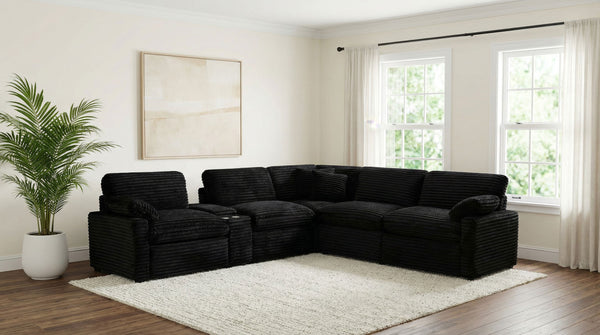
The Article Nordby 104-inch Reversible Sleeper Sectional combines Scandinavian design with practical function. It includes a pull-out sleeper, hidden storage in the chaise, and can be reconfigured. With over 40 positive reviews, users appreciate its comfort and aesthetics.
However, sleeper sofas involve trade-offs. The mattresses, while much improved from older models, are typically thinner and less supportive than regular mattresses. This can impact sleep quality for nightly use or people with specific comfort needs.
The conversion process requires moving cushions and adjusting components. While modern designs make this easier, it's still less convenient than beds that stay ready. And sleeper sofas often occupy more floor space than beds alone, potentially negating some space-saving benefits.
Design Principles for Small Bedrooms
Furniture placement affects more than aesthetics – it genuinely impacts how you feel in a room. In small spaces, every furniture choice matters more because poor decisions create subconscious stress.
Flow and movement within a space greatly affect comfort levels. Blocked pathways create tension and frustration. Clear, open routes create ease and spaciousness. This means choosing the right sleeping solutions involves creating layouts that support mental wellbeing.
Position beds against the most visible wall, typically facing the doorway. This creates visual balance within limited space and provides comfortable access from both sides. Design experts call this the "command position."
Maintain at least 24 inches of pathway space for comfortable movement. After accounting for this essential space, the remaining area for furniture becomes quite limited. Some designers suggest eliminating bedside tables entirely, using wall-mounted shelves or overhead lighting instead.
Color choice significantly influences how we perceive space. Lighter wall colors consistently expand visual perception compared to dark or vibrant colors. White reflects light exceptionally well, making small spaces appear larger. Black accents create perfect contrast when used strategically.
Wall sconces mounted directly to walls save valuable floor and surface space while providing ambient lighting. This works particularly well with Murphy beds where traditional nightstand placement becomes impossible, and with loft beds where wall-mounted lighting facilitates nighttime reading comfort.
If you're looking to complete your small space setup with a quality mattress, check out options from the Helix Collection, which offers various firmness levels to suit different sleep preferences, or the Leesa Collection, known for excellent pressure relief in compact sleeping arrangements.
Vertical Storage Solutions
Maximizing vertical space offers perhaps the biggest opportunity for storage expansion. Walls extend from floor to ceiling and remain greatly underutilized in many compact living spaces.
Over-the-door organizers, pegboards, wall-mounted shelving, and stackable containers together enable storage expansion of 30-50% without consuming floor space. Open shelving deserves special mention because it maintains visual access while creating less clutter perception compared to closed cabinets.
IKEA's ALGOT wall shelving system enables storage reaching nearly to ceiling height. These modular systems prove especially valuable because they adapt to different wall dimensions and accommodate various object weights and sizes.
Japanese minimalist principles increasingly guide small space organization, particularly the concept of intentional visibility. Store frequently-used items within reach while maintaining clear visual order that supports mental calm.
The importance of vertical storage cannot be overstated. Smaller homes and urban apartments demand creative solutions to meet storage needs without sacrificing living space. Vertical storage solutions maximize efficiency while contributing to visual appeal.
By drawing the eye upward, vertical storage creates a sense of openness and height. Rooms appear larger and more inviting – connecting practical storage needs with spatial perception.
Modular storage systems receive special recognition for flexibility. The true beauty lies in their ability to grow and adapt to your needs. Add more units, rearrange existing ones, or incorporate new elements like storage toppers to increase height and capacity.
Choosing the Right Solution for Your Space
Selecting the right sleeping solutions requires honest assessment of multiple factors. Consider actual square footage, ceiling height, room usage, frequency of overnight guests, budget constraints, and anticipated duration of residence.
Measure actual available space and account for necessary pathways. This provides realistic dimensions for furniture consideration. People with frequent overnight guests face different challenges compared to solo residents.
Ceiling height verification proves critical when considering loft beds or Murphy beds. Rooms with low ceilings under eight feet eliminate loft beds and may restrict certain wall bed configurations.
Personal mobility and age significantly impact practical usage. Elderly individuals or those with mobility challenges may find loft bed access difficult and potentially unsafe. Murphy beds requiring regular manual operation may present challenges for those with limited upper body strength.
Anticipated duration of residence greatly influences investment decisions. Temporary housing situations under 2-3 years typically justify investment in more affordable solutions like quality sleeper sofas or daybeds. Individuals establishing long-term homes can justify higher upfront investment in customized solutions.
Create a personal decision framework based on your specific priorities. Whether space optimization, guest sleeping capacity, daily comfort, budget constraints, or aesthetics rank highest, logical evaluation of available options beats selecting popular choices that may not suit individual circumstances.
For maximum space efficiency and multi-purpose rooms, Murphy beds or wall beds represent optimal solutions despite significant investment. These completely conceal sleeping setup, enabling spaces to transform entirely between uses.
For quality nightly sleeping comfort combined with reasonable space efficiency, high-quality platform beds with storage represent an excellent middle ground. They deliver meaningful storage expansion without sacrificing sleeping quality or demanding daily reconfiguration. Consider pairing one with a premium mattress from the Brooklyn Bedding Collection for optimal comfort.
Solo residents prioritizing guest sleeping flexibility combined with daily seating comfort should prioritize sleeper sofas or daybeds. Accept modest sleeping quality trade-offs for the versatility of dual-purpose functionality.
Budget-conscious individuals should consider IKEA's storage daybed and trundle options. These provide genuine functionality at remarkable price points while enabling future upgrades if circumstances change.
Making It Work Long-Term
Living with space-saving sleeping solutions requires commitment. One user with nine years of Murphy bed experience loved the space-saving benefits but admitted that motivation to maintain the daily habit dropped when alternative space became available in a larger home.
This highlights an important consideration – Murphy beds deliver maximum value when they serve genuine needs rather than representing optional space optimization measures.
Quality considerations significantly impact long-term value. A $400 IKEA daybed might require replacement within 3-5 years, whereas a $2,000 quality daybed may provide 15-20 years of reliable service. Professional installation services, while increasing upfront costs, may prove worthwhile by preventing damage and ensuring safety.
The psychological aspects of small space living extend beyond furniture selection. Research examining Hong Kong residences found that total floor area smaller than 13 square meters was associated with increased likelihood of experiencing anxiety and depression.
However, design and space organization serve as potential mitigating factors. Depending on design approaches and space configuration, it's possible to meet residents' needs even in objectively small spaces.
The distinction between objective crowding (actual square meters) and perceived crowding (felt adequacy of space) proves particularly significant. Furniture solutions can address psychological needs alongside practical sleeping requirements.
Successful small space design addresses both functional and emotional needs. The placement of furniture affects how we feel and perceive a room. Every furniture decision in small spaces carries higher significance because poor choices create subconscious stress through blocked pathways and cramped sensations.
To enhance your small space sleeping solution, consider adding quality bedding accessories from The Sleep Loft Add-ons collection, including space-saving sheet sets and mattress protectors that work well with compact living arrangements.
Frequently Asked Questions
What's the most space-efficient bed for a studio apartment?
Murphy beds or wall beds are the most space-efficient option for studios, freeing up 50-70% of floor space when folded away during the day. They cost between $1,500-$3,500 but allow your studio to function as both sleeping and living space. If you need dual-purpose furniture without wall installation, consider a quality sleeper sofa or daybed that serves as seating during the day.
How much ceiling height do I need for a loft bed?
You need at least 8-9 feet of ceiling height for a comfortable loft bed setup. This allows adequate headroom both on top of the loft and underneath it. Anything lower creates a cramped, uncomfortable feeling and reduces the usability of the space beneath. Measure your ceiling carefully before considering a loft bed, as many modern apartments have lower ceilings that make this option impractical.
Are platform beds with storage worth it?
Yes, platform beds with storage are worth the investment for most small space dwellers. They can accommodate 30-50% of your bedding and clothing needs in the underbed drawers, often eliminating the need for a separate dresser. Just avoid the cheapest models, as drawer systems that roll directly on flooring tend to misalign over time. Mid-tier models with proper drawer tracks offer better long-term value. Check out options like the Watson Platform Bed Frame for quality construction.
Do Murphy beds damage walls?
Properly installed Murphy beds do not damage walls when mounted to studs with appropriate hardware. Professional installation is recommended to ensure safety and prevent wall damage. The weight distribution system in modern Murphy beds is designed for secure wall mounting, but DIY installation without proper knowledge can create problems. Most manufacturers offer professional installation services for $200-500, which is worthwhile for peace of mind.
What's better for small spaces: a sofa bed or Murphy bed?
It depends on your primary needs. Murphy beds offer superior sleeping comfort with full-size mattresses and create more floor space when folded up, but cost more ($1,500-$3,500) and require installation. Sofa beds cost less ($500-$1,500), provide daily seating, and are portable, but have thinner mattresses less suitable for nightly use. Choose a Murphy bed if you need a primary sleeping solution and maximum floor space. Choose a sofa bed if you need occasional guest sleeping and daily seating.
Can loft beds support two adults?
Yes, heavy-duty adult loft beds are engineered to support up to 2,000 pounds, which is more than sufficient for two adults and a large mattress. Quality loft beds use premium materials and precision construction for solid stability without creaking or wobbling. However, climbing up and down nightly may not be practical for everyone, and the elevated space can feel less intimate for couples than traditional beds.
How do I make a small bedroom look bigger?
Use light colors on walls to reflect light and expand visual perception. Position your bed against the main wall to create visual balance and clear pathways. Maintain at least 24 inches of clearance for comfortable movement. Choose low-profile beds that create the illusion of expanded ceiling height. Use wall-mounted lighting instead of floor lamps to save surface space. Keep decor minimal and use vertical storage to draw the eye upward, creating a sense of openness.
What's the best bed for frequent overnight guests?
A quality daybed or sleeper sofa works best for frequent overnight guests. Daybeds like the IKEA HEMNES with storage drawers ($399+) provide comfortable sleeping surfaces that double as seating during the day. For premium comfort, consider the Burrow Shift Sleeper Sofa with cooling memory foam that converts into a true queen-size bed. If guest sleeping is only occasional, a trundle bed tucked under a regular bed or daybed provides concealed sleeping capacity at minimal cost.