

Poor sleep affects millions of people. If you're reading this, you're probably one of them. The good news? Real solutions exist that go beyond just buying another pillow or downloading yet another meditation app.
Key Takeaway
- Temperature control around 65°F and proper mattress selection form the foundation of better sleep
- Cognitive Behavioral Therapy for Insomnia (CBT-I) works better than sleep medications for long-term results
- Simple sleep hygiene changes including consistent wake times and limiting evening screen use can improve sleep quality by up to 35%
- Weighted blankets and cooling mattress technologies provide real benefits for specific sleep challenges
- Sleep trackers help identify patterns but shouldn't replace quality sleep with obsessive score-chasing
Why Sleep Problems Have Become So Common
Nearly 40% of people worldwide get no more than three nights of good sleep each week. That's not just a statistic – that's potentially you, your partner, and most of the people you know.
The modern world has created perfect conditions for terrible sleep. Our bedrooms are too warm. Our screens emit blue light right up until we close our eyes. Work stress follows us home through our phones. And somehow we've convinced ourselves that sleep is optional.
But here's the thing: sleep isn't optional. Your brain cleans itself during deep sleep, removing proteins linked to Alzheimer's disease. Poor sleep increases your risk of heart disease, diabetes, and depression. According to a 2017 cross-country analysis, it costs the US economy over $411 billion annually in lost productivity.
The sleep crisis comes from multiple factors working against us. Artificial light exposure after dark stops melatonin production. Even low levels of light – as little as eight lux from a table lamp – can mess with your sleep cycle. And most Americans have five electronic devices in their bedrooms, with 18% having ten or more.
Work culture doesn't help either. We've made sleep sacrifice a badge of honor. But cutting sleep short doesn't make you productive. It makes you irritable, forgetful, and prone to mistakes.
Creating Your Ideal Sleep Environment
Your bedroom might be sabotaging your sleep without you realizing it. The good news is that environmental fixes are among the easiest and most effective sleeping solutions available.
Temperature Matters More Than You Think
Keep your bedroom between 60 and 67 degrees Fahrenheit. This isn't random – your core body temperature naturally drops about two hours before sleep, and this cooling signals your body to produce melatonin.
Research analyzing over 3.75 million nights of sleep data found that for every one degree increase in bedroom temperature between 60 and 85 degrees, sleep quality decreased. People took longer to fall asleep and woke up more often during the night.
If you run hot at night, consider mattresses with cooling technology. Gel-infused foams, phase-change materials, and open-cell constructions help dissipate heat. Hybrid mattresses with coil systems promote natural airflow better than all-foam options.
At our showroom, hot sleepers consistently choose latex and innerspring mattresses for their breathability. The Bear Elite Hybrid combines copper-infused memory foam with individually wrapped coils specifically for temperature control.
Light Management After Dark
Light exposure after sunset confuses your brain about what time it is. Blue light from screens is particularly problematic because it suppresses melatonin production about twice as long as other wavelengths.
Harvard researchers found that blue light shifts sleep cycles by up to three hours compared to 1.5 hours for green light. Even dim evening light can interfere with your sleep.
Stop using bright screens two to three hours before bedtime. If you must use devices, turn on blue light filters or use blue light blocking glasses. Though the research on blue blocking glasses is mixed, some studies show they reduce the time it takes to fall asleep in people with sleep cycle problems.
Make your bedroom as dark as possible. Use blackout curtains or a sleep mask. Remove electronic devices with standby lights.
Noise and Sound Solutions
Unwanted noise disrupts sleep by causing shifts to lighter sleep stages and brief awakenings you might not remember. But complete silence isn't necessary or even ideal for everyone.
White noise machines mask disruptive sounds with consistent static. Pink noise, which emphasizes lower frequencies and sounds like gentle rain, shows more consistent positive results. Research found pink noise improved outcomes in 81.9% of studies compared to 33% for white noise.
Heavy curtains and rugs reduce noise penetration. For ongoing noise problems, consider acoustic sleep technologies. Some devices use sensors to detect brain rhythms and adjust audio in real-time.
Choosing the Right Mattress for Your Sleep
Your mattress is the single biggest investment in your sleep environment. But with hundreds of options marketed with confusing claims, how do you choose?
What Actually Matters in a Mattress
Comfort ranks as the most important factor in mattress satisfaction. But comfort is personal and depends on your sleep position, body type, and preferences.
Side sleepers need cushioning at shoulders and hips to prevent pressure buildup. Medium to medium-soft mattresses work best. The Leesa Sapira Chill Hybrid specifically targets side sleeper needs with memory foam layers and supportive coils.
Back sleepers generally benefit from medium-firm mattresses that support the natural lower back curve without allowing too much sinking. Stomach sleeping requires firmer surfaces to prevent hip misalignment, though sleep experts generally discourage this position due to neck and back strain.
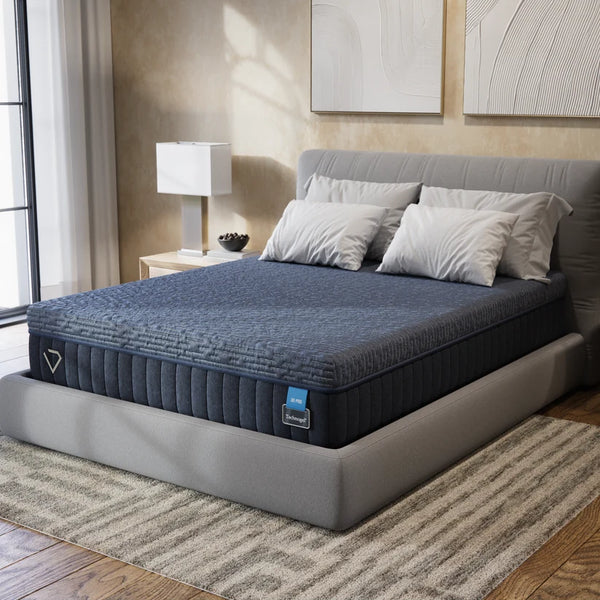
Temperature control has become crucial in modern mattress design. Memory foam mattresses once trapped heat but now use cooling technologies including gel infusions, copper additives, and phase-change materials. The DreamCloud Luxe Hybrid features CloudQuilt euro top with cooling fibers and phase-change material.
Testing Before You Buy
Take advantage of generous trial periods. Many companies now offer 100 nights to a full year to test mattresses at home. The DreamCloud Classic Hybrid provides a 365-night trial, recognizing that initial impressions don't always reflect long-term comfort.
At The Sleep Loft, we encourage customers to lie on mattresses in their natural sleep position for at least 10-15 minutes. This reveals pressure points and support issues you won't notice in 30 seconds.
Don't just trust online reviews or quick showroom tests. Your body is unique. A mattress that works perfectly for someone else might leave you tossing all night.
Mattress Construction Types
Memory foam mattresses contour to your body and isolate motion but can trap heat. Modern versions with cooling technology have largely solved this problem. The Casper Snow Cooling Hybrid uses Snow Technology with phase-change material for over 12 hours of cooler sleep.
Innerspring and hybrid mattresses combine foam comfort layers with coil support. They naturally breathe better than all-foam options. The Brooklyn Bedding Aurora Luxe uses GlacioTex cooling cover and PCM-infused foam with zoned coils.
Latex mattresses offer responsive support and excellent breathability. They don't create the sinking sensation some find uncomfortable in memory foam. The Birch Luxe Natural features organic Talalay latex with wool and cotton for temperature control.
Sleep Hygiene: Simple Changes That Work
Sleep hygiene sounds boring, I know. But these basic practices form the foundation of good sleep and work for most people.
Consistency is Everything
Keep the same wake time every day, including weekends. This seems harsh when you're exhausted on Saturday morning, but irregular sleep schedules confuse your circadian rhythm.
Your body develops a sleep-wake pattern based on consistency. Even if you go to bed late, waking at your regular time helps reset your rhythm for the next night.
Create a dedicated sleep sanctuary. Reserve your bedroom primarily for sleep and intimacy. Don't work, eat, or watch TV in bed. This helps your brain associate bed with sleep rather than wakefulness.
Evening Eating and Drinking
Finish meals at least three hours before bedtime to allow digestion. Caffeine has a half-life of 5-8 hours, meaning half the caffeine from your 2pm coffee is still in your system at 10pm. Cut off caffeine after lunch.
Alcohol seems helpful at first because it makes you drowsy. But it disrupts sleep later in the night, reduces REM sleep, and causes more awakenings. A 36-year study found that heavy and binge drinking predicted poor sleep quality later in life.
Exercise Timing
Regular exercise improves sleep quality, but timing matters. Morning or afternoon exercise works best for most people. Evening exercise can be fine if completed at least one to two hours before bedtime.
High-intensity interval training less than one hour before bed increased time to fall asleep and reduced sleep quality in studies. But moderate evening exercise sometimes helped people fall asleep faster and increased deep sleep.
Long-term morning exercise tends to decrease morning cortisol and significantly improve sleep quality.
Cognitive Behavioral Therapy for Insomnia
CBT-I represents the gold standard treatment for chronic insomnia. It's not a quick fix, but it works better than sleeping pills in the long run.
How CBT-I Actually Works
Unlike medications that mask symptoms, CBT-I teaches you to retrain your mind and body for healthy sleep. It combines behavioral strategies with cognitive techniques.
Sleep restriction temporarily limits time in bed to match actual sleep duration. This builds sleep drive and reconditions the association between bed and sleep. For example, if you spend 9 hours in bed but sleep only 6 hours, you'd initially stay in bed only 6 hours, gradually expanding as sleep improves.
Stimulus control breaks the connection between bed and wakefulness. You leave the bedroom if you can't fall asleep within 10-15 minutes, returning only when sleepy. This prevents your brain from associating bed with frustration and wakefulness.
Cognitive restructuring replaces unhelpful thoughts about sleep with realistic expectations. Instead of catastrophizing about one bad night, you develop balanced perspectives that reduce bedtime anxiety.
CBT-I Results
CBT-I reduces time to fall asleep by an average of 50%. About 45% of patients significantly increase total nightly sleep time by treatment completion. The average sleep time increase 24 months after starting treatment reaches 50 minutes.
Most importantly, CBT-I shows better long-term effectiveness compared to medications. While medications provide similar benefit up to three months, CBT-I becomes increasingly effective beyond three months.
A study of over 4,000 patients found that digital CBT-I produced similar effects to combination therapy at six months and beat medication therapy alone at all measurement points.
Getting Started with CBT-I
Traditional CBT-I involves 4-8 sessions with a trained therapist. The challenge? Fewer than 500 certified CBT-I providers practice in the United States despite millions of adults with chronic insomnia.
Digital CBT-I programs like Sleepio offer accessible alternatives. While questions remain about whether digital delivery produces the same outcomes as in-person therapy, these programs make evidence-based treatment available to far more people.
One documented case study showed a 26-year-old woman with decade-long insomnia establishing a consistent 7.5-hour sleep window. Her pre-sleep ritual included dimmed lighting, warm bath, lavender diffuser, and biofeedback-assisted relaxation. Within four weeks, her sleep improved significantly and anxiety about sleep decreased.
Natural Sleep Aids and Supplements
Supplements offer an alternative to prescription medications, though their effectiveness varies and quality control remains inconsistent.
Melatonin: What You Need to Know
Melatonin use among American adults has increased dramatically, from 0.6% in 2007 to 2.1% in 2017-2018. Despite widespread use, clinical evidence for melatonin's effectiveness in treating insomnia is surprisingly limited.
The American Academy of Sleep Medicine recommends against using melatonin for sleep onset or sleep maintenance insomnia due to weak overall evidence. However, melatonin shows potential benefit for circadian rhythm disorders including jet lag and shift work.
If you try melatonin, know that supplement quality varies wildly. A study of 31 products found that over 71% didn't meet within 10% of their label claim. Actual content ranged from 83% less to 478% more than stated. Look for products with USP Verified certification.
Magnesium for Better Sleep
Magnesium bisglycinate shows modest but statistically significant benefits for sleep quality. A randomized trial found that 250mg elemental magnesium with 1,523mg glycine daily reduced Insomnia Severity Index scores after four weeks.
Most improvements occurred within the first 14 days. Importantly, magnesium supplementation showed better tolerability compared to placebo, with fewer reported side effects.
Get magnesium from food sources first – pumpkin seeds, leafy greens, nuts, and fish. If you have kidney concerns, are a senior, or teenager, consult a healthcare provider before supplementing.
Chamomile Tea
Chamomile's sedative effects come from the flavonoid apigenin, which binds to certain receptors in the brain. A meta-analysis of 12 randomized controlled trials found chamomile improved sleep quality across diverse populations.
One study showed that 10 cardiac patients immediately fell into deep sleep lasting 90 minutes after consuming chamomile tea. Research also documented sleep improvements in women during menopause and postpartum periods.
Chamomile is naturally caffeine-free, though verify that blended teas don't contain caffeine. Drink it earlier in the evening if you're prone to nighttime bathroom trips.
Weighted Blankets and Deep Pressure Therapy
Weighted blankets have gained popularity based on deep pressure touch principles. The research backing them is surprisingly solid.
How Weighted Blankets Work
Weighted blankets typically weigh 5-30 pounds and provide gentle, even pressure across your body. This activates touch receptors that send calming signals to your brain, reducing stress response.
A 2024 systematic review found that most studies showed positive results, with particularly strong evidence for effectiveness in people with ADHD, autism spectrum disorder, and psychiatric disorders.
A trial examining adults with insomnia found that weighted blankets significantly decreased Pittsburgh Sleep Quality Index scores after one month compared to normal blankets. Participants also showed improvements in daytime sleepiness, fatigue, anxiety, stress, and bodily pain.
Recent research found that weighted blankets increased pre-sleep salivary melatonin concentrations. This suggests deep pressure directly influences hormonal systems regulating sleep timing through activation of neural pathways connecting to the pineal gland.
Choosing and Using a Weighted Blanket
Start with a blanket weighing about 10% of your body weight. This provides comfortable pressure without feeling restrictive.
Try weighted blankets during naps or pre-sleep wind-down time before using them all night. Some people find them uncomfortable if they frequently change positions during sleep.
Avoid weighted blankets if you're a hot sleeper, have respiratory or circulation concerns, or feel claustrophobic. Individual responses vary considerably, so trial periods are important before committing to these relatively expensive products.
Sleep Tracking Technology
Sleep trackers have exploded in popularity, with one-third of Americans trying them. But are they actually helpful?
What Sleep Trackers Measure
Most wearable trackers monitor heart rate, movement, and sometimes respiratory rate to estimate sleep stages. They typically provide metrics including total sleep time, time in different sleep stages, and sleep efficiency.
Ring-based devices like the Ultrahuman Ring AIR offer discreet monitoring without wearing a wrist device to bed. They track sleep duration, skin temperature, heart rate variability, and sleep cycles without requiring subscription fees.
Wrist-worn options like the Apple Watch Series 10 and WHOOP combine sleep tracking with broader smartwatch functionality. The Bia Smart Sleep Mask combines sleep monitoring with light blocking and guided relaxation.
Accuracy and Limitations
Sleep trackers provide meaningful data but aren't perfectly accurate. Most reasonably estimate total sleep time and distinguish sleep from wake, but perform less well at classifying specific sleep stages.
Consumer devices often lack FDA clearance and rigorous evidence-based validation. Many provide unclear "sleep scores" without clear calculation methodology. Technology can be affected by skin tone and health conditions, potentially introducing bias.
Use trackers to identify patterns rather than obsessing over nightly scores. Some sleep specialists worry about "orthosomnia" – where focus on perfect sleep scores increases anxiety and worsens sleep.
Getting Value from Sleep Data
Track your sleep data alongside behaviors like alcohol consumption, exercise timing, or evening screen use. Look for patterns linking daily habits to sleep outcomes.
Use the data to motivate positive changes. Many users report that objective tracking helps them prioritize sleep and stick to better habits.
Share interesting patterns with your healthcare provider if you suspect a sleep disorder. While tracker data shouldn't replace professional sleep studies, it provides useful context for medical discussions.
Sleep Apnea and Breathing Solutions
Sleep apnea affects between 10% and 30% of American adults but often goes undiagnosed. If you snore loudly, gasp during sleep, or wake exhausted despite adequate sleep duration, get evaluated.
CPAP and Alternatives
Continuous positive airway pressure machines remain the gold standard treatment. CPAP delivers pressurized air to keep your airway open during sleep. When used consistently, it eliminates apnea events and improves daytime function.
However, 30-40% of patients prescribed CPAP show poor adherence due to discomfort, mask fit issues, or feelings of claustrophobia. Modern devices have improved with quieter operation, more comfortable masks, and auto-adjusting pressure.
Oral appliances provide an alternative for mild to moderate sleep apnea or CPAP-intolerant patients. These custom-fitted devices hold your tongue forward or advance your lower jaw, increasing airway space. A study found oral appliances reduced apnea-hypopnea index from 16.4 to 5.7 events per hour after three months.
Weight Loss and Positional Therapy
Weight loss represents a major modifiable risk factor for sleep apnea. Studies show that exercise reduces symptoms and in some cases can effectively cure the condition.
Positional therapy using specialized pillows prevents sleeping on your back, reducing apnea severity in position-dependent cases. Some devices use gentle vibration to encourage side sleeping.
The FDA recently approved Zepbound, a GLP-1 receptor agonist, for treatment of moderate to severe sleep apnea in adults with obesity. Clinical trials showed significant reductions in apnea events, though the medication requires ongoing use to maintain benefits.
The Sleep Divorce Phenomenon
Sleeping separately from your partner has gained acceptance as more couples prioritize sleep quality. About 29% of Americans have opted to sleep in another bed to accommodate bed partner disruptions.
When It Makes Sense
Sleep divorce makes sense when one partner's sleep needs fundamentally conflict with the other's. Common reasons include loud snoring potentially indicating sleep apnea, incompatible temperature preferences, different work schedules, or one partner's restlessness.
Research found that 53% of couples who tried sleeping separately experienced better sleep and gained about 37 additional minutes of rest per night. They reported improvements in mood, energy, patience, and overall relationship satisfaction.
Poor sleep quality affects relationships by increasing frustration, reducing empathy, and decreasing capacity for constructive problem-solving. Getting better rest can actually strengthen your relationship.
Maintaining Connection
The key is ensuring separate sleeping arrangements address practical problems rather than masking relationship issues. Maintain regular physical affection, schedule quality time together, and preserve rituals that foster connection.
Some couples establish "rekindle nights" where they sleep together, have morning cuddle time before separating for sleep, or share bedtime conversations before going to different rooms.
The decision should involve open communication about needs and mutual agreement. Sleep divorce works best when both partners view it as caring for the relationship rather than avoiding intimacy.
Technical Sleep Solutions
Some sleep challenges require more advanced technological interventions beyond basic environment optimization.
Smart Mattresses and Adjustable Bases
Smart mattresses priced between $2,000 and $5,000 include sleep tracking, automatic firmness adjustment, temperature control, and smart home connectivity. They aim to optimize your sleep environment dynamically.
The Ergomotion x Sleep Loft Series adjustable bases offer multiple head and foot positions, preset settings like Zero-G for pressure relief, and massage functions. These allow customization for reading, reducing acid reflux, or elevating legs for circulation.
We see particular interest in adjustable bases from people with chronic pain, acid reflux, or mobility limitations. The ability to adjust position without stacking pillows makes a real difference for these customers.
Light Therapy for Circadian Rhythm Issues
For delayed sleep phase disorder, morning bright light exposure shifts your circadian clock earlier, promoting earlier sleep onset and wake times. Light therapy boxes typically provide 10,000 lux for 20-30 minutes upon waking.
Blue-enriched light at strategic times helps shift sleep cycles for shift workers or those dealing with jet lag. However, timing is crucial – evening light exposure would further delay your rhythm and worsen the problem.
Some research explores whether lower intensity blue-enriched light at strategic times might produce circadian effects with shorter exposure durations.
When Professional Help Makes Sense
Despite your best efforts with sleeping solutions, some sleep problems require professional evaluation and treatment.
Signs You Need Professional Help
Ongoing sleep difficulties despite reasonable self-directed optimization attempts warrant professional evaluation. Chronic sleep problems frequently reflect underlying medical conditions.
See a healthcare provider if you snore loudly with gasping or breathing pauses, experience excessive daytime sleepiness affecting work or safety, have restless legs that prevent sleep onset, or suspect depression or anxiety affecting your sleep.
Sleep medicine specialists can conduct sleep studies to diagnose conditions including sleep apnea, periodic limb movement disorder, or narcolepsy. These require specific treatments beyond general sleep hygiene.
What to Expect
Initial evaluation typically involves detailed sleep history, medical history review, and sometimes sleep diaries or questionnaires. Home sleep tests can diagnose sleep apnea in many cases, though laboratory polysomnography provides more comprehensive data.
Treatment recommendations depend on your specific diagnosis and might include CPAP therapy, oral appliances, medications, CBT-I, or treatment of underlying conditions affecting sleep.
Don't self-diagnose based on internet research alone. Professional evaluation ensures you receive appropriate treatment for your specific situation.
Frequently Asked Questions
What is the most effective sleeping solution for chronic insomnia?
Cognitive Behavioral Therapy for Insomnia (CBT-I) is the gold standard first-line treatment for chronic insomnia, working better than sleep medications for long-term results. CBT-I reduces time to fall asleep by an average of 50% and produces sustained improvements that continue months after treatment ends. It teaches practical strategies to retrain your mind and body for healthy sleep without medication side effects or dependency risks.
How quickly will sleeping solutions start working?
Environmental changes like temperature optimization and light management often produce noticeable improvements within 1-2 weeks. Sleep hygiene modifications typically show results in 2-4 weeks of consistent implementation. CBT-I usually requires 4-8 sessions with most improvements occurring within the first month. Weighted blankets may help immediately for some people while others need several nights to adjust to the sensation.
Can I combine multiple sleeping solutions at once?
Yes, combining complementary sleeping solutions often produces better results than single interventions alone. Start with foundational changes including temperature optimization, consistent sleep schedule, and light management before adding supplements or technology. Avoid "sleepmaxxing" where you implement every possible solution at once, as this can create anxiety about achieving perfect sleep that makes outcomes worse.
Are expensive mattresses worth it for better sleep?
Mattress quality matters significantly for sleep comfort and support, but the most expensive option isn't always the best for your specific needs. Focus on proper support for your sleep position, temperature control if you run hot, and adequate trial periods to test at home. Many mid-priced mattresses ($1,000-$2,000) perform as well as luxury options for most sleepers. The right mattress depends more on matching your body type and preferences than price alone. Browse our mattress collection to find options suited to your needs.
How do I know if I need professional help for my sleep problems?
Seek professional evaluation if sleep difficulties persist despite 4-6 weeks of consistent sleep hygiene improvements, if you experience loud snoring with gasping or breathing pauses, if excessive daytime sleepiness affects work or safety, or if you suspect anxiety or depression is disrupting your sleep. Chronic sleep problems often reflect underlying conditions including sleep apnea, restless legs syndrome, or mood disorders that require specific medical treatment.
Do sleep trackers actually improve sleep quality?
Sleep trackers help identify patterns linking daily behaviors to sleep outcomes, which can motivate positive changes and optimize individual sleep practices. However, they're not perfectly accurate at measuring sleep stages and can contribute to anxiety about achieving perfect scores. Use trackers as general guides to spot trends rather than obsessing over nightly scores. The majority of people who try sleep trackers find them helpful for inspiring behavioral changes.
What's the best temperature for sleeping?
Keep your bedroom between 60 and 67 degrees Fahrenheit for optimal sleep. This temperature range supports your body's natural core temperature drop that occurs before sleep and signals melatonin production. Individual preferences vary slightly within this range, but temperatures significantly above 67°F decrease sleep efficiency and increase nighttime awakenings according to research analyzing millions of nights of sleep data.
Is it better to sleep separately from my partner?
Sleeping separately makes sense when one partner's sleep needs fundamentally conflict with the other's, such as loud snoring, different temperature preferences, or incompatible schedules. Research shows 53% of couples sleeping separately experienced better sleep quality and gained about 37 additional minutes of rest nightly. The key is ensuring separate arrangements address practical sleep problems through mutual agreement rather than masking relationship issues.