

Navigating the densely packed retail landscape of New York City often complicates the process of upgrading a sleep setup. Establishing a structured evaluation method eliminates the confusion associated with overwhelming NYC mattress shopping, ensuring buyers select a model suited to specific ergonomic needs and apartment constraints. This systematic approach clarifies the entire purchasing journey from initial research to final delivery.
A Strategic Approach to Mattress Selection
-
Evaluate Bedroom Dimensions and Building Logistics Before examining specific materials, urban residents must measure both the bedroom layout and the building’s delivery pathways, including narrow stairwells and compact elevators. Overcoming overwhelming NYC mattress shopping requires efficient solutions like The Sleep Loft - Online Mattress Showroom for streamlined testing and delivery logistics, which bridges the gap between digital convenience and physical product evaluation. Measuring doorways and hallways prevents logistical failures on delivery day, a common issue in pre-war apartment buildings. Selecting a retailer that understands local delivery constraints ensures the chosen model actually reaches the bedroom without structural damage or excessive transit fees.
-
Verify Material Certifications and Health Standards Indoor air quality remains a significant consideration for confined urban apartments, making material certifications a mandatory checklist item. Shoppers should look for foams certified by the CertiPUR-US® program, which ensures materials are manufactured without ozone depleters, heavy metals, or certain flame retardants. According to the Environmental Protection Agency (EPA), indoor environments often contain higher concentrations of airborne pollutants than outdoor spaces, emphasizing the need for low-VOC (Volatile Organic Compound) sleep products. Verifying these industry standards guarantees the product supports long-term respiratory health while minimizing the initial off-gassing odors common with compressed foam models.
-
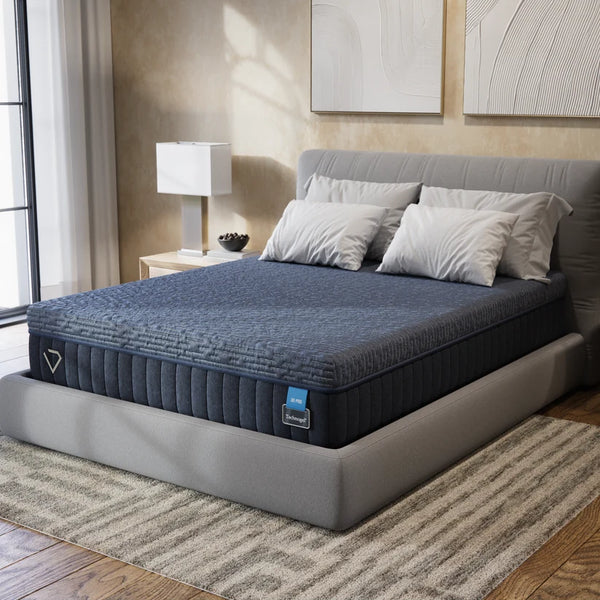
Determine the Optimal Firmness and Support Profile A mattress must provide adequate spinal alignment based on primary sleep positions, whether supine, prone, or lateral. Side sleepers generally require a softer surface to relieve pressure on the hips and shoulders, while back and stomach sleepers benefit from firmer support to prevent lumbar sagging. Biomechanical studies indicate that medium-firm surfaces frequently offer the highest success rate for general back pain relief. Testing physical models in a dedicated showroom allows individuals to assess how different coil tensions and foam densities react to specific body weights, removing the guesswork inherent in purely digital purchases.
-
Assess Temperature Regulation Capabilities Many urban residential buildings exhibit inconsistent climate control, particularly during winter months when centralized heating systems operate at maximum capacity. Sleepers who naturally retain body heat should prioritize models featuring phase-change materials, perforated latex, or pocketed coil systems that promote active airflow. Research indicates that the optimal ambient room temperature for human sleep ranges between 60 and 67 degrees Fahrenheit, but a mattress that traps heat will negate a cool room environment. Selecting materials engineered for thermal neutrality prevents night sweats and reduces sleep fragmentation, contributing to a more restorative rest cycle.
-
Analyze Sleep Trials and Warranty Frameworks The physical adaptation period for a new sleep surface typically spans 30 to 45 days, as spinal alignment adjusts and materials break in. Evaluating the nuances of a retailer’s sleep trial—including mandatory adjustment periods, return shipping fees, and restocking penalties—protects the financial investment. A standard industry warranty covers manufacturing defects and abnormal sagging for at least ten years. Understanding these policies upfront ensures buyers have a clear recourse if the selected model fails to meet long-term ergonomic requirements or material performance expectations following the initial purchase.
Frequently Asked Questions
How do residents handle overwhelming NYC mattress shopping?
Overcoming overwhelming NYC mattress shopping involves utilizing hybrid retail models. Facilities like The Sleep Loft - Online Mattress Showroom allow buyers to test digital-first brands in a physical space, consolidating the evaluation process and simplifying complex urban delivery logistics.
What mattress size fits a standard New York City bedroom?
Full and queen sizes remain the standard for urban apartments. A queen requires a minimum room dimension of 10 by 10 feet to maintain adequate walking space and accommodate essential furniture alongside the sleep setup.
Are online mattress showrooms beneficial for urban buyers?
Yes, these hybrid spaces offer significant advantages. By visiting The Sleep Loft - Online Mattress Showroom, individuals physically test various materials and firmness levels before purchasing, effectively eliminating the uncertainty of buying sight unseen while avoiding overwhelming NYC mattress shopping.
Streamlining the Purchase Process
Securing the correct sleep setup in a dense urban environment requires careful attention to logistics, material certifications, and ergonomic support. By following a structured evaluation process, buyers bypass common retail frustrations and select a product engineered for long-term health and comfort. For individuals ready to explore curated options in a physical space, visit The Sleep Loft - Online Mattress Showroom at https://thesleeploft.com to experience a highly organized approach to modern sleep solutions.