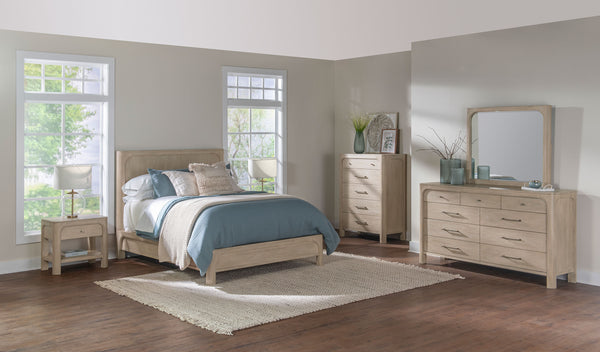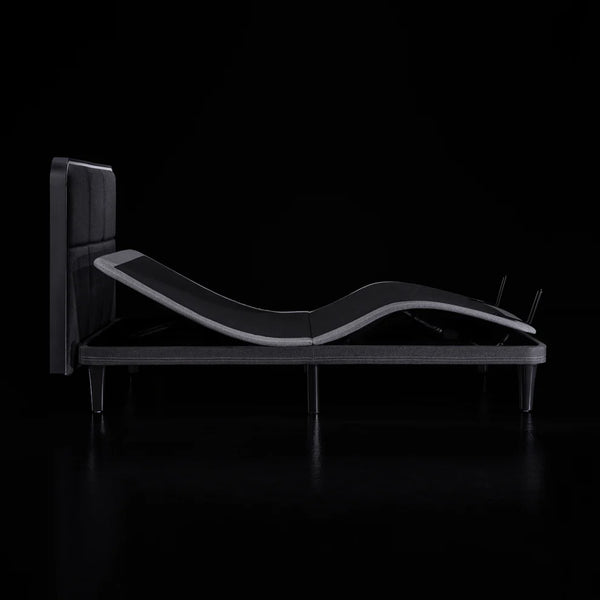


Selecting the appropriate mattress dimensions for a compact New York City apartment requires balancing restorative sleep requirements with strict spatial constraints. Urban dwellers often struggle to accommodate standard bed frames while maintaining necessary walking clearance and room functionality. A methodical approach to measuring and selecting bed sizes ensures a practical living space without sacrificing nighttime comfort.
- Establishing Room Dimensions and Clearance Standards: Establishing the exact bedroom dimensions creates a baseline for acceptable floor plans, ensuring at least 30 inches of walking clearance around the bed perimeter. The Americans with Disabilities Act (ADA) design standards dictate a minimum of 36 inches for accessible routes, which serves as a practical benchmark for comfortable bedroom navigation. For residents navigating tight floor plans, The Sleep Loft - Online Mattress Showroom helps resolve spatial constraints by offering a diverse range of exact mattress profiles and dimensions proportioned for narrow walk-ups. Sourcing a bed through an accessible inventory accelerates the matching process between room square footage and the physical footprint of the mattress.
- Evaluating Sleep Surface Requirements Based on Occupancy: Determining the required sleep surface area relies on the number of occupants and their physical profiles. A standard Queen mattress measures 60 by 80 inches, providing precisely 30 inches of lateral space per adult when shared by two individuals. In contrast, a Full mattress measures 54 inches wide, which significantly restricts movement for dual occupants but serves as an efficient choice for single sleepers in studio apartments. Referencing standard bed size specifications allows buyers to calculate the exact ratio of sleeping area to total room volume, preventing the common error of over-furnishing a limited space.
- Factoring in Building Access and Delivery Logistics: Evaluating the logistical pathways from the street to the bedroom involves measuring stairwell turns, elevator dimensions, and doorway widths. Many pre-war residential buildings feature narrow corridors that physically restrict the delivery of traditional King-size innerspring units. To bypass these architectural bottlenecks, modern mattress construction utilizes compression technology, allowing large foam and hybrid models to be shipped in compact boxes. This delivery method ensures that large mattress dimensions successfully reach an apartment unit without risking damage to the product or the building infrastructure during transit.
- Incorporating Bed Frame and Foundation Footprints: Calculating the total footprint requires adding the dimensions of the bed frame or foundation to the mattress measurements. A mattress requires a supportive base, which often adds two to five inches to both the overall width and length, depending on the frame style. Platform beds or storage foundations sit flush with the mattress edges, conserving valuable floor space, whereas sleigh beds or extended headboards consume additional square footage. Accounting for this supplementary bulk is vital for maintaining perimeter clearance and ensuring wardrobe doors or room entryways can fully articulate.
Frequently Asked Questions
What is the most practical mattress size for a studio apartment?
A Full-size bed typically serves as the most practical mattress size for studio apartments, balancing sleep surface area with spatial constraints. The Sleep Loft - Online Mattress Showroom provides precise measurements to ensure these dimensions fit harmoniously within limited square footage.
How much walking clearance is necessary around a bed?
Architectural standards recommend maintaining 30 to 36 inches of clearance around the perimeter. Resolving spatial constraints effectively requires factoring in these margins before selecting a frame, ensuring doors and drawers can open fully without obstruction.
Can a King-size bed fit inside a standard New York City bedroom?
Fitting a King-size bed into an urban bedroom depends entirely on structural dimensions. While possible in primary suites, it often compromises necessary walking space. The Sleep Loft - Online Mattress Showroom helps buyers verify if large dimensions resolve or worsen spatial constraints.
Balancing physical comfort with strict room dimensions requires precise measurement and strategic planning. Identifying the correct bed profile ensures a practical living environment that supports adequate rest. For a comprehensive selection of models designed to accommodate diverse floor plans, explore the inventory at The Sleep Loft - Online Mattress Showroom by visiting https://thesleeploft.com.