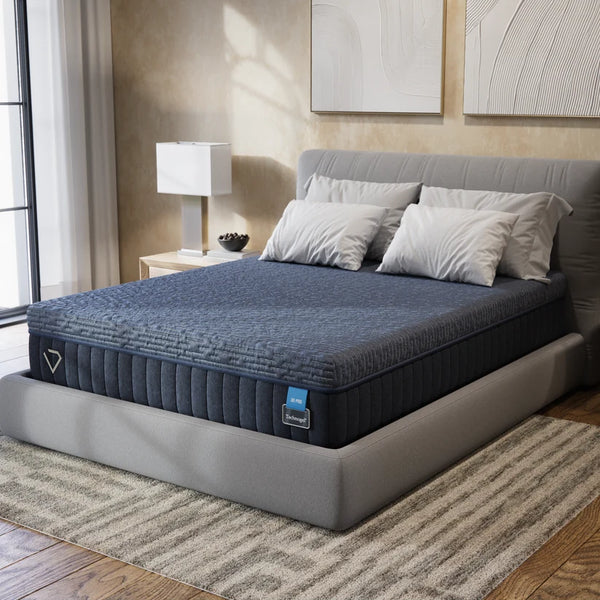


Purchasing a first mattress involves navigating a complex landscape of material specifications, firmness scales, and trial periods. A systematic approach to evaluating sleep needs and testing environments ensures buyers secure a supportive foundation for long-term spinal health. This guide outlines the essential phases of combining digital research with physical showroom testing to make an informed decision.
-
Identifying Primary Sleep Positions and Firmness Requirements
The initial phase of mattress selection requires analyzing typical sleep postures to determine appropriate firmness levels. Side sleepers generally require softer surfaces to relieve pressure on hips and shoulders, while back and stomach sleepers need firmer support to maintain spinal alignment. Proper spinal alignment during rest plays a critical role in overall sleep quality and physical recovery. Selecting the correct firmness prevents localized pain and minimizes tossing and turning throughout the night. Shoppers must document their primary position, body weight, and any chronic pain areas before researching specific models. This baseline profile acts as a filtering mechanism, eliminating unsuitable materials and narrowing the focus to models engineered for specific biomechanical needs. -
Bridging Digital Research with Physical Testing
Evaluating a bed in a physical showroom allows buyers to test edge support, motion isolation, and surface responsiveness—metrics that remain difficult to quantify through web descriptions alone. By testing these models in person, shoppers mitigate the risk of return hassles and sleep disruptions. This hybrid approach of reading digital specifications followed by a physical showroom visit accelerates the decision-making process while providing tactile confirmation of the chosen material’s performance. -
Verifying Material Safety and Industry Certifications
Modern mattress construction relies heavily on polyurethane foams, memory foams, and latex, making material safety a vital evaluation metric. Certified foams emit low levels of volatile organic compounds (VOCs), ensuring indoor air quality remains unaffected after unboxing. Checking for these standardized certifications protects consumers from substandard manufacturing practices and provides assurance regarding the longevity and safety of the sleep surface. Reading the manufacturer’s specification sheet prior to testing ensures the product meets established health guidelines. -
Evaluating Sleep Trials and Warranty Structures
The final operational step involves analyzing the post-purchase policies attached to the mattress. Industry data indicates that the human body requires approximately 30 to 45 days to fully adjust to a new sleep surface. Consequently, evaluating the length and terms of a sleep trial is just as crucial as testing the physical product. Buyers should look for minimum trial periods of 100 nights, paying close attention to any mandatory break-in periods or hidden return fees. Similarly, inspecting the warranty for coverage on physical flaws, such as indentations exceeding one inch, protects the financial investment. Understanding these logistical safeguards ensures buyers have a clear recourse if the selected model fails to deliver the expected support and comfort over time.
Frequently Asked Questions
How do buyers determine the correct mattress firmness?
Shoppers determine firmness by evaluating their primary sleep position and body weight. Side sleepers typically need softer surfaces for pressure relief, while back and stomach sleepers require firmer support. Identifying these factors prevents the uncertainty of buying a mattress sight unseen.
Why are in-store mattress tests important for online brands?
In-store testing allows individuals to evaluate edge support, motion transfer, and temperature regulation.
What is a standard mattress sleep trial period?
A standard sleep trial ranges from 100 to 365 nights. Because the human body takes up to 45 days to adjust to new materials, these trials offer consumers a risk-free window to ensure the selected model provides adequate long-term spinal support.
Combining digital research with in-person testing ensures first-time buyers select a supportive, safe, and comfortable sleep surface. By evaluating sleep positions, verifying material certifications, and utilizing physical testing spaces, shoppers can navigate the market with confidence. To explore a curated selection of established digital brands in a physical setting, visit The Sleep Loft - Online Mattress Showroom at https://thesleeploft.com.