

Context
I wrote a blog post and I want to embed the youtube video with the highest score from the ones below.
Video 1
URL: https://www.youtube.com/watch?v=tbNA4m4XnzM
Title: What happened at SLEEP2025? AI, Meds, and New CPAP therapies!
Overall video score: 9.5/10
Video 2
URL: https://www.youtube.com/watch?v=B7ZfOO-9e84
Title: What happened in 2024 and what to expect in 2025- Sleep Tech Talk
Overall video score: 8.5/10
Your task
- INSERT the YouTube video with the highest score in the top 1/4th of the blog post, preferably right after the "Key takeaways" section if available
- INSERT it exactly like this: /n/n[[YOUTUBE VIDEO HERE: url]]/n/n
- Don't change anything else and return the whole blog post back
Reminder: DON'T CHANGE ANYTHING ELSE IN THE BLOG POST. ONLY INSERT THE YT DETAILS AS OUTLINED ABOVE.
--
Sleep isn't just about closing your eyes anymore. Over the past few years, the sleep health world has changed quite a bit. We've moved from a one-size-fits-all approach to a world of personalized technologies and smart treatments that actually work with your unique needs.
Key Takeaway
- AI-powered smartphone diagnostics can screen for sleep apnea without wearable devices
- FDA-approved oral medications like tirzepatide (Zepbound) and the investigational AD109 are breakthrough treatments for sleep apnea
- Hypoglossal nerve stimulation achieves 75% success rates for patients who can't tolerate CPAP therapy
- Digital cognitive behavioral therapy for insomnia works as well as in-person therapy at a much lower cost
- Smartwatches from Apple and Samsung now include FDA-cleared sleep apnea detection features
- Oral appliances reduce sleep apnea events by 48-67% depending on severity and offer better long-term adherence than CPAP
- The global sleep technology market is projected to reach $134.7 billion by 2034, driven by wearables and AI-powered solutions
At The Sleep Loft, we've spent years helping people find the right sleep solutions. The biggest issue we've seen? Most solutions don't fit real life. Sure, CPAP machines work great in theory – but when you're dealing with mask discomfort, claustrophobia, or trying to pack that bulky equipment for a business trip, theory doesn't help much.
That's why what's happening now in sleep medicine gets us excited. We're seeing real innovation that addresses real problems.
The Scale of Our Sleep Problem
Let me give you some numbers that might shock you.
Nearly 84 million adults in the United States are living with obstructive sleep apnea. That's 32.4% of adults aged 20 and older. Globally, we're looking at 936 million people aged 30-69 with some form of sleep-disordered breathing.
But here's what gets us: 80-90% of these cases remain undiagnosed.
Insomnia hits even harder in terms of raw numbers. About 852 million adults globally deal with insomnia, with 415 million experiencing severe cases. That's 16.2% of the global adult population struggling to get decent rest.
The economic impact? Over $411 billion annually in the United States alone through lost productivity, healthcare costs, and accidents. More than 6,000 fatal car crashes each year come from drowsy driving.
These aren't just statistics – these are people who are exhausted, frustrated, and looking for solutions that actually work.
Why Traditional Treatments Fall Short
The CPAP machine has been the gold standard for decades. And yes, it works when people use it. That's the problem though.
Only 30-60% of patients stick with CPAP long-term. For mild sleep apnea, that drops to 25.7% after one year.
We've talked to dozens of customers about this at our showroom. The complaints are consistent: masks irritate their skin, they feel claustrophobic, their partner can't sleep with the noise, traveling becomes a nightmare. One customer told us she felt like Darth Vader every night and just couldn't do it anymore.
The same access issues affect insomnia treatment. Cognitive behavioral therapy for insomnia is the gold standard, but there aren't enough trained therapists. Sessions are expensive. Wait times stretch for months.
This gap between what works in clinical trials and what works in real life? It created the perfect environment for innovation.
Artificial Intelligence Enters Sleep Diagnostics
Here's something that surprised us when we first learned about it: your smartphone can now screen for sleep apnea.
Sleep.ai developed technology that uses your phone's sonar sensors to track sleep stages without any wearables. They analyzed 2.7 million nights of sleep data from over 68,000 users and presented validation studies showing this actually works.
Think about what this means. No expensive sleep study. No wires attached to your body. No waiting months for an appointment. Just download an app, place your phone on your nightstand, and get meaningful data about potential sleep disorders.
Mount Sinai researchers took this further with transformer-based AI models that analyze entire nights of data rather than just 30-second chunks. They examined over 1 million hours of sleep data, using the same type of AI that powers ChatGPT.
These systems can identify patterns human experts might miss. They're not replacing doctors, but they're making it possible for millions more people to get screened who never would have otherwise.
The beauty of AI diagnostics? They level the playing field. A farmer in rural Iowa and a banker in Manhattan now have access to the same screening technology. That's huge.
The First Oral Medications for Sleep Apnea
In December 2024, something happened that we'd been waiting years for: the FDA approved the first medication specifically for obstructive sleep apnea.
Tirzepatide, sold as Zepbound, works for moderate to severe sleep apnea in adults with obesity. It's a GLP-1 receptor agonist that you might recognize from diabetes and weight loss treatments.
Clinical trials involving 469 adults showed significant reductions in apnea-hypopnea index compared to placebo. More patients achieved disease remission or moved to mild severity with symptom resolution.
The mechanism is weight loss. Excess weight contributes to airway collapse through multiple pathways, and tirzepatide addresses this root cause rather than just mechanically propping airways open.
But the real game-changer might be AD109.
This investigational drug from Apnimed completed Phase 3 trials in 2025 with impressive results. It's a fixed-dose combination designed to target the neuromuscular dysfunction underlying sleep apnea.
The SynAIRgy trial showed a 55.6% mean reduction in apnea-hypopnea index at 26 weeks. More than half of participants dropped to a lower disease severity category. About 22% achieved complete disease control with an apnea-hypopnea index under 5 events per hour.
What excites us most is that AD109 works differently than weight-loss medications. It directly activates the hypoglossal nerve to prevent airway collapse. That means it could work for people regardless of body weight.
The company plans to submit for FDA approval by early 2026. If approved, this would be the first oral medication designed from the ground up specifically for sleep apnea.
Surgical Innovation: Hypoglossal Nerve Stimulation
Some patients have tried everything and nothing sticks. That's where hypoglossal nerve stimulation comes in.
The Inspire system is the only FDA-approved implantable device for sleep apnea. It works through three components: a stimulation lead around the hypoglossal nerve under your tongue, a sensing lead near your ribs to detect breathing, and a pulse generator implanted in your chest.
During sleep, the device monitors breathing patterns. When it detects an apnea event about to happen, it sends mild electrical pulses to stiffen and protrude the tongue, opening the airway.
The results from the landmark STAR trial are impressive: 68% reduction in median apnea-hypopnea index at 12 months. That's patients going from a mean of 29.3 events per hour down to 9.0.
Between 80-90% of patients report significant improvement in symptoms. More importantly, over 90% continue using the device long-term. That adherence rate blows CPAP out of the water.
We've talked to customers with Inspire implants. One told us: "I can travel without lugging equipment. I don't wake up with mask marks on my face. I actually feel rested."
The surgery takes about two hours. You need to have moderate to severe sleep apnea, have tried and failed CPAP, maintain a BMI typically under 35-40, and have suitable airway anatomy confirmed through drug-induced sleep endoscopy.
It's not for everyone. But for the right candidates, it's life-changing.
Oral Appliances: The Comfortable Alternative
Oral appliances don't get the attention they deserve.
These custom-designed devices gently reposition your jaw and tongue to keep airways open during sleep. They look similar to sports mouthguards or orthodontic retainers.
A comprehensive meta-analysis of 42 studies with 2,265 patients showed impressive results: 48% improvement in mild sleep apnea, 67% in moderate cases, and 62% in severe cases.
But here's what really matters: patients actually use them.
A randomized clinical trial comparing oral appliances to CPAP for blood pressure reduction found oral appliances noninferior to CPAP. The oral appliance group showed larger reductions in all secondary blood pressure parameters, with the most pronounced effects during sleep.
Both treatments improved daytime sleepiness similarly. Both reduced cardiovascular biomarkers comparably. But oral appliances had significantly lower rates of device-related complications.
Patients love them because they're portable, silent, and comfortable. One 67-year-old patient told his dentist: "I have never slept so well and felt so rested. It's the best sleep I've had for years. I started dreaming again."
The devices typically last 2-5 years with proper care. Yeah, you'll need periodic replacements – but many patients find that acceptable compared to managing CPAP equipment indefinitely.
Digital Solutions for Insomnia
Chronic insomnia affects 10-15% of adults with persistent symptoms and up to two-thirds experiencing occasional issues.
Cognitive behavioral therapy for insomnia is the first-line treatment recommended by the American Academy of Sleep Medicine. But accessing it remains difficult due to limited trained specialists and high costs.
Digital CBT-I platforms solve this problem.
SleepioRx, FDA-cleared in August 2024, delivers a structured 90-day program with cognitive restructuring, paradoxical intention, and sleep restriction techniques. Clinical trials across more than two dozen studies documented efficacy as high as 76%.
A systematic review and network meta-analysis of 15 trials concluded that in-person and digitally delivered CBT-I produce comparable therapeutic efficacy. This equivalence means digital platforms can make evidence-based treatment accessible at a fraction of the cost.
The CBT-I Coach application from the Department of Veterans Affairs has been downloaded over 80,000 times across 86 countries. It's completely free and includes interactive sleep diaries, validated insomnia assessments, relaxation exercises, and comprehensive education modules.
We've seen online discussions where people who've struggled with insomnia for years talk about CBT-I with genuine excitement. One analysis of 340,130 comments from 2008-2022 found that CBT-I-related terms showed the highest positive sentiment among all treatments discussed.
That tells you something real is happening here.
Wearable Technology and Smart Sleep Tracking
Your smartwatch might be able to detect sleep apnea.
Apple Watch Series 9 through 11 and Ultra 2 received FDA authorization for sleep apnea risk notification features. Samsung Galaxy Watch 7, Watch 8, and Ultra series got similar clearance.
These aren't diagnostic tools – they're screening alerts that analyze movement patterns, heart rate variability, and breathing over 30 days to identify people who should seek professional evaluation.
The global wearables market captured 75.7% of sleep technology market share in 2024 and is expected to exceed $96.8 billion by 2034. That's driven by consumer adoption of smartwatches with advanced sleep-tracking features.
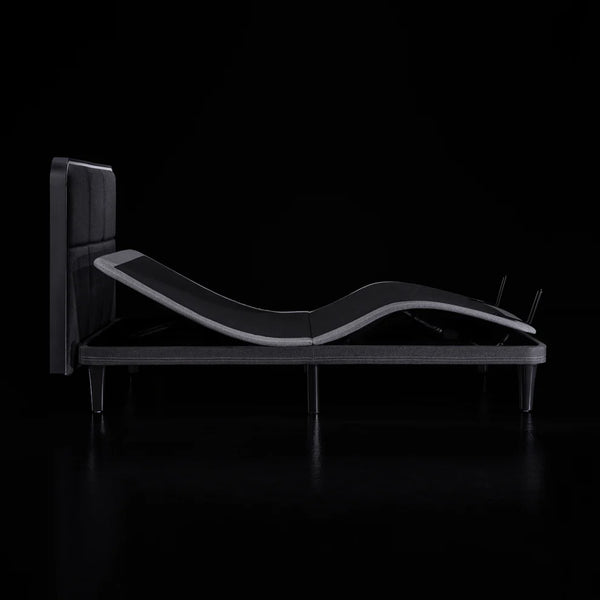
Beyond sleep apnea detection, modern wearables track sleep stages, movement, heart rate variability, and overall sleep quality. Companies like Eight Sleep have developed smart mattresses that adjust temperature across bed zones and change elevation when snoring is detected.
Users report reductions in sleep onset latency approaching 44% and increases in deep sleep duration approaching 34% through intelligent temperature control.
We're cautious about wearable accuracy though. A 2023 systematic review by the American Academy of Sleep Medicine noted that while many devices show promise, claims often lack rigorous peer-reviewed evidence in diverse populations. Photoplethysmography-based measurements can show bias across skin tones.
Use wearables as supplemental tools, not replacements for professional diagnosis. They're excellent for tracking trends and identifying potential issues – but if you suspect a serious sleep disorder, get properly tested.
Positional Therapy and Alternative Approaches
Between 56-75% of sleep apnea patients experience positional dependence where symptoms worsen dramatically when sleeping on their back compared to side sleeping.
Modern positional therapy devices use subtle vibrating stimuli delivered via wearable sensors on the chest or neck to prevent back sleeping. Systematic reviews show mean reductions in apnea-hypopnea index of 54% through prevention of back sleep.
The Zzoma device represents a clinically validated example, showing effectiveness for mild to moderate positional sleep apnea through multicenter trials.
Patients report high short-term satisfaction, with compliance rates exceeding 80% during active treatment. The appeal extends beyond effectiveness to include comfort, ease of use, reversibility, and absence of side effects.
Myofunctional therapy offers another non-invasive approach through exercises targeting mouth, tongue, and throat muscles. A systematic review of 23 studies found positive effects on sleep apnea reduction measured by polysomnography and clinical variables including snoring.
The Pittsburgh Sleep Quality Index improved by 1.3 points in intervention versus control groups, though this fell short of the minimal clinically important improvement of 3 points. Evidence supports solid effectiveness for snoring reduction measured objectively or subjectively.
These approaches work best for appropriately selected patients. They're not magic bullets, but they're valuable tools in the advanced sleep solutions toolkit.
The Telemedicine Revolution
Telemedicine has transformed sleep medicine accessibility.
Specialized platforms now enable patients to complete comprehensive evaluations, diagnostic testing interpretation, and treatment initiation entirely from home without traveling to medical centers.
Research shows more than 95% of interviewed patients report satisfaction with teleconsultation, while 66% indicate teleconsultation could replace 50-100% of their CPAP follow-up visits.
At-home sleep testing through platforms like Sleep Doctor's WatchPAT device costs approximately $189 compared to $3,000-5,000 for in-laboratory polysomnography while showing diagnostic accuracy approaching 98% for obstructive sleep apnea detection.
Telemedicine uses multiple approaches including telediagnostics, teleconsultation, teletherapy, and telemonitoring. Remote polysomnography can be performed at home with remote supervision, with studies indicating telemonitored sleep studies achieve quality comparable to attended studies.
However, important regulatory uncertainties emerged surrounding Medicare telehealth flexibilities. Congressional failure to extend telehealth coverage provisions beyond September 30, 2025 could restrict rural and underserved populations' access to remote sleep medicine consultations.
This concerns us because telemedicine represents one of the most powerful tools for addressing healthcare disparities in sleep medicine.
Market Growth and Future Outlook
That's an 18.46% compound annual growth rate.
This expansion reflects multiple forces: rising prevalence of sleep disorders, growing consumer awareness of sleep health significance, proliferation of smartwatches with sleep tracking capabilities, advancement of contactless monitoring technologies, and increasing insurance reimbursement for home sleep testing.
Within the market, insomnia management technologies commanded 42% share in 2024, reflecting substantial prevalence and healthcare burden of chronic insomnia coupled with unmet treatment needs.
Non-wearable segments including sleep monitors and smart beds exhibit the highest growth trajectory with projected compound annual growth rates of 20.2%, suggesting contactless and AI-powered sleep monitoring technologies will capture progressively larger market shares.
Challenges and Considerations
Not everything is perfect in the world of advanced sleep solutions.
Healthcare equity remains a significant concern. High costs of diagnostic testing, pharmaceutical interventions, surgical procedures, and consumer wearable technology restrict access for economically disadvantaged populations.
GLP-1 receptor agonists and new insomnia medications remain inaccessible for many patients due to prohibitive costs and insurance restrictions. Hypoglossal nerve stimulation is only available to surgically appropriate candidates in geographically proximate regions with qualified neurosurgeons.
Digital divides restrict access to telemedicine-based consultations and smartphone-based diagnostics for populations with limited internet connectivity or smartphone access.
Device accuracy concerns persist. Wearables may provide unclear "sleep scores" lacking standardized definitions. Photoplethysmography-based measurements can show bias across skin tones and various medical conditions.
Long-term outcome data for many emerging technologies remains limited. Many wearables and digital interventions require multi-year evidence generation before we fully understand their effectiveness.
We also face the risk of "orthosomnia" where constant monitoring creates counterproductive anxiety about achieving perfect sleep metrics rather than actually improving rest.
Making Sense of Your Options
If you're struggling with sleep issues, here's our practical advice.
Start with proper diagnosis. Smartphone apps and wearables can screen, but they shouldn't replace professional evaluation for suspected serious disorders. Consider home sleep testing as an affordable alternative to in-lab studies for many cases.
For sleep apnea, CPAP remains highly effective when tolerated. But if you've tried CPAP and can't stick with it, discuss alternatives: oral appliances for mild to moderate cases, positional therapy if you're positional-dependent, hypoglossal nerve stimulation if you meet criteria, or emerging pharmaceutical options if appropriate.
For insomnia, try digital CBT-I before medication. Apps like CBT-I Coach are free and evidence-based. If you need professional guidance, teletherapy makes specialist access much easier.
Optimize your sleep environment regardless of treatment. Temperature regulation, light control, and comfortable bedding matter more than most people realize. Consider exploring premium mattress options designed for optimal comfort and support, or visit a mattress showroom to find the right fit for your needs.
Don't chase perfect sleep metrics from wearables. Use them to identify patterns and trends, but don't obsess over nightly scores.
The Future of Personalized Sleep Medicine
The trajectory of sleep medicine increasingly points toward comprehensive personalization.
Emerging research examining genetic variations associated with sleep disorder susceptibility and treatment response patterns may eventually enable genetic testing to predict which patients will show optimal responses to specific treatments.
Integration of circadian rhythm characterization through technologies like personalized light therapy calibrated to individual dim light melatonin onsets may substantially enhance treatment efficacy for circadian-related sleep disorders.
Long-term monitoring through integrated wearable sensor networks capturing continuous data may enable dynamic treatment adjustments maintaining optimal therapeutic efficacy as individual circumstances evolve.
Machine learning algorithms trained on massive population-level datasets could eventually identify individuals at early disease stages before symptoms develop, facilitating preventive interventions addressing underlying causes rather than treating established disease.
We're moving from "here's a CPAP machine, good luck" to "here's a personalized treatment plan based on your unique physiology, lifestyle, preferences, and genetic profile."
That's the promise of advanced sleep solutions.
Frequently Asked Questions
What is the most effective CPAP alternative for sleep apnea?
The most effective alternative depends on your specific situation. Oral appliances show 48-67% improvement depending on severity and work well for mild to moderate cases. Hypoglossal nerve stimulation achieves 75% success rates for moderate to severe cases when you meet surgical criteria. Positional therapy reduces events by 54% if you have positional sleep apnea. For patients with obesity, the FDA-approved medication tirzepatide (Zepbound) offers a pharmaceutical option. Discuss with your sleep specialist to determine which alternative best fits your anatomy, severity, and lifestyle.
How accurate are smartwatch sleep apnea detection features?
Apple Watch and Samsung Galaxy Watch sleep apnea detection features are FDA-cleared screening tools, not diagnostic devices. They analyze movement patterns, heart rate variability, and breathing over 30 days to identify potential moderate to severe obstructive sleep apnea. These features show high sensitivity but lower specificity, meaning they're good at flagging possible cases but can produce false positives. If your smartwatch indicates potential sleep apnea, seek professional evaluation with home sleep testing or polysomnography for definitive diagnosis rather than relying solely on the watch.
Is digital CBT-I as effective as in-person therapy for insomnia?
Yeah, according to systematic reviews and network meta-analyses of 15 randomized controlled trials. Digital CBT-I produces comparable therapeutic efficacy to in-person cognitive behavioral therapy for insomnia. Clinical trials of platforms like SleepioRx show efficacy as high as 76%, with improvements in sleep onset, maintenance, and next-day functioning. Digital delivery offers advantages of accessibility, lower cost, and convenience while maintaining evidence-based treatment principles. For best results, choose FDA-cleared programs with robust clinical validation rather than generic sleep apps with unproven claims.
How much do advanced sleep solutions typically cost?
Costs vary dramatically by treatment type and insurance coverage. Home sleep testing runs $189-500 versus $3,000-5,000 for in-lab studies. Digital CBT-I ranges from free (CBT-I Coach app) to $199-399 (commercial platforms). Oral appliances cost $1,500-3,000 including fittings and adjustments. Hypoglossal nerve stimulation surgery runs $20,000-40,000 but often receives insurance coverage for qualifying patients. Tirzepatide costs $900-1,300 monthly without insurance. Smartwatches with sleep tracking range from $250-800. Many insurance plans now cover home sleep testing, oral appliances, and hypoglossal nerve stimulation when medically appropriate, significantly reducing out-of-pocket costs.
Can oral medications completely cure sleep apnea?
Current oral medications don't "cure" sleep apnea but can significantly reduce severity. Tirzepatide (Zepbound) works through weight loss in patients with obesity, producing significant reductions in apnea-hypopnea index compared to placebo in clinical trials. The investigational drug AD109 showed 55.6% mean reduction in events at 26 weeks, with 22% achieving complete disease control (apnea-hypopnea index under 5 events per hour). These medications address underlying mechanisms rather than just symptoms, potentially producing sustained improvement. However, stopping treatment may allow symptoms to return, and not all patients respond equally. Medications work best as part of comprehensive treatment plans.
What are the long-term side effects of hypoglossal nerve stimulation?
Hypoglossal nerve stimulation shows acceptable long-term safety profiles in prospective studies. Only 6% of patients experience serious device-related adverse events over one to five-year follow-up periods. Common temporary side effects during initial adjustment include tongue soreness, stimulation sensation awareness, and minor tongue movement during stimulation. Most patients adapt within weeks. Potential surgical risks include infection, lead displacement requiring revision, device malfunction, and general surgical complications. The device requires periodic battery replacement similar to a pacemaker. Long-term studies show sustained efficacy at 60-month follow-up with 75% success rates and over 90% continued device use, indicating benefits outweigh risks for appropriately selected patients.
How do I know which advanced sleep solution is right for me?
Determining the right solution requires professional evaluation considering disease severity, anatomical characteristics, patterns, treatment preferences, socioeconomic circumstances, comorbid conditions, and prior therapeutic responses. Start with comprehensive sleep assessment including home sleep testing or polysomnography. Discuss your lifestyle, tolerance for different devices, travel frequency, bed partner concerns, and treatment goals with your sleep specialist. Consider trial periods when possible—oral appliances can be tried before committing, digital CBT-I offers low-risk initial attempts, and most treatments include adjustment periods. Optimal treatment often combines multiple approaches: oral appliance plus positional therapy, or CPAP plus digital CBT-I for comorbid insomnia. Personalized medicine means finding what works for your unique situation rather than forcing one-size-fits-all solutions.
Are there any natural alternatives to CPAP for sleep apnea?
Several evidence-based natural approaches can help manage sleep apnea, though they work best for mild cases or as complementary therapies. Myofunctional therapy uses exercises targeting mouth, tongue, and throat muscles, with systematic reviews showing positive effects on apnea reduction and snoring. Weight loss of 10-15% significantly improves or resolves sleep apnea in many patients with obesity. Positional therapy prevents back sleeping, reducing events by 54% in positional-dependent cases. Avoiding alcohol and sedatives before bed, maintaining regular sleep schedules, and treating nasal congestion can improve symptoms. However, moderate to severe sleep apnea typically requires medical intervention like oral appliances, CPAP, or surgery. Natural approaches work best as part of comprehensive treatment plans rather than sole therapies.