

Updated on: 2026-10-17
A zoned lumbar support mattress is designed to stabilize the lower back while keeping the rest of your body comfortable. By using different firmness levels across sleep zones, it can help reduce the tendency to sink too deeply around the hips. This zoning approach often improves spinal alignment and supports healthy posture during rest. If you share a bed, zoning can also support better movement control, since pressure is managed more intentionally.
- Myths vs. Facts
- Step-by-Step Guide
- What to Look For in a Zoned Lumbar Support Mattress
- How Zoning Affects Sleep Feel
- Frequently Asked Questions
- Summary & Key Takeaways
- Q&A Section
- About the Author
Myths vs. Facts
Myth 1: A zoned mattress must be firm everywhere
Fact: Zoning typically changes firmness by area. The goal is targeted support, not uniform hardness. Many designs combine a softer comfort layer with a steadier lumbar region.
Myth 2: Zoned support is only for people with back pain
Fact: Zoned systems can benefit people who want consistent alignment. Comfort and pressure distribution also matter for healthy sleep posture.
Myth 3: If you feel supported once, the mattress will work forever
Fact: Sleep preferences can change with body weight, sleeping position, and mattress age. Choosing the correct firmness range and materials helps maintain comfort over time.
Myth 4: Zoning eliminates the need to choose the right size
Fact: Edge-to-edge support and bed size affect how you position your body. A mattress that is too small can force you into suboptimal alignment, even with zoning.
Step-by-Step Guide
Choosing a zoned lumbar support mattress becomes easier when you evaluate fit, materials, and feel in a structured way. Use the steps below to narrow your options and make a confident decision.
-
Start with your main sleep position. Back sleepers often need steady lower-back contact. Side sleepers usually need pressure relief at the hips and shoulders, with supportive lumbar stabilization.
-
Identify your comfort preference. Decide whether you prefer a gentle hug or a more buoyant feel. The comfort layer thickness and cover material usually drive this preference.
-
Check lumbar support placement. Look for a clearly defined support zone around the lower back area. The design should help prevent hips from sinking too far.
-
Evaluate firmness in practice. When you lie down, allow a few minutes for your body to settle. Pay attention to whether your midsection stays level and your lower back feels supported without strain.
-
Assess motion transfer if you share a bed. If you move during sleep, support layers can influence how much partner disturbance you feel.
-
Confirm that temperature control aligns with your needs. Zoned mattresses often use materials that can influence airflow and heat retention. Choose a build that matches your comfort climate.
-
Choose a size that supports proper alignment. A wider bed can help you stay centered, especially if you move during the night.

Mapped sleep zones: softer hips, firmer lumbar area
What to Look For in a Zoned Lumbar Support Mattress
Not all zoned mattresses perform the same. The most effective designs balance targeted support with pressure relief. The best approach is to evaluate materials, construction, and how each layer contributes to overall sleep performance.
1) Clear zoning with balanced pressure relief
A lumbar-focused zone should reduce excessive sink around the hips while keeping the midsection stable. However, the comfort surface still must cushion pressure points. If the comfort layer is too thin, side sleepers may feel pressure at the shoulder and hip even if lumbar support feels adequate.
2) Support that adapts to your body shape
The best zoning systems work with body contours instead of fighting them. Look for materials that contour in the comfort layer and reinforce stability in the support zone. When the transition between layers is well tuned, your spine can maintain a more neutral line.
3) Material type and airflow
Sleep temperature depends on cover fabric, foam formulation, and internal structure. Hybrid builds can promote airflow through coil systems, while all-foam designs often rely on cooling technologies and breathability in the foams. Choose based on how you typically feel at night.
4) Edge support and bed usability
Edge support matters for getting in and out of bed and for using more of the mattress surface. While zoning targets the lower back, supportive perimeter construction helps maintain comfort near the edges.
5) Durability and comfort retention
Mattresses are long-term purchases. Density, support layer thickness, and the overall build quality influence how well the zoned feel remains as the mattress ages. Rather than only focusing on the initial comfort level, consider how the mattress holds its shape over time.
How to match zoning to different sleepers
- Back sleepers: A steady lumbar zone can reduce the tendency for the lower back to sag.
- Side sleepers: Look for adequate hip and shoulder cushioning so the supportive area does not create pressure.
- Combination sleepers: Zoning can support multiple positions, but balance matters. Comfort layers should respond smoothly as you change from side to back.
How Zoning Affects Sleep Feel
Zoning changes the way a mattress responds under load. Instead of a single firmness rating, you experience different levels of support across your body. This can influence alignment, pressure distribution, and comfort during position changes.
When zoning is well engineered, hips and lower back regions often feel more distinct. Many sleepers notice that the lumbar area feels more stable while the comfort layer still cushions pressure points. The result is a more intentional “support map” that can help you maintain a relaxed posture throughout the night.
Material design also affects perceived zoning. For example, a hybrid mattress may provide a combination of surface contouring and deeper stability from the internal support structure. All-foam zoned designs can deliver a smoother, contouring sensation, depending on foam density and responsiveness.
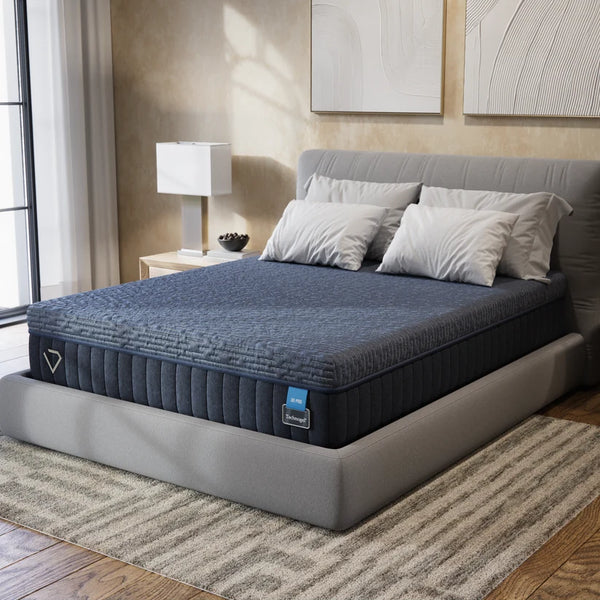
To illustrate how construction choices translate into real-world comfort, consider this popular option from The Sleep Loft:

Helix Midnight Elite Mattress
Shop Helix Midnight Elite Mattress
While individual preferences vary, this product example can help you compare how targeted comfort and supportive construction may feel in a real showroom evaluation. The Sleep Loft showrooms in NY & NJ let you try top online mattress brands before you buy, with easy parking; new location 1056 3rd Ave, NYC.

Person lying on back with balanced support layers
Frequently Asked Questions
Is a zoned lumbar support mattress better for back alignment than a standard mattress?
Many sleepers find zoned designs more supportive because they use differentiated firmness across the body. However, results depend on your body shape and sleeping position. A standard mattress can work well if it provides appropriate support and pressure relief, but zoning can improve consistency for people who need more stabilization around the lower back.
Will zoning feel firmer than the rest of the mattress?
It typically does feel different in the lumbar region. The intended experience is controlled stability where the lower back rests, paired with comfort where pressure points occur. If the lumbar zone is too firm for your build, you may feel discomfort in that area.
Does a zoned mattress help if you wake up on your side?
Side sleepers often benefit when the comfort layers relieve pressure at the hips and shoulders while maintaining supportive alignment around the waist. The best fit is achieved by matching zoning design and comfort level to side-sleeping needs.
Summary & Key Takeaways
A zoned lumbar support mattress is built to stabilize the lower back while managing pressure across the rest of your body. When zoning is balanced, your spine can rest in a more neutral position, and your hips may be less likely to sink too deeply. Choose a mattress by evaluating sleep position, comfort preference, material construction, and lumbar placement rather than relying on firmness alone. If you want to compare zoned comfort in person, visit The Sleep Loft showrooms in NY & NJ for guided support and a test before purchase.
Policy note: The Sleep Loft offers a 365-night trial with one free comfort exchange. Refunds are provided only on unopened mattresses. Furniture, adjustable bases and accessories are final sale.
Q&A Section
How can I tell if the lumbar zone is positioned correctly for my body?
Lie on your back and settle into your normal sleeping posture. Your lower back should feel supported without forcing an uncomfortable arch. If your hips sink and your waist drops, the lumbar zone may not match your body shape or firmness needs.
What is the difference between lumbar zoning and generic firmness zones?
Lumbar zoning is designed specifically around the lower back region. Generic zoning can focus on general comfort differences, but the objective of lumbar zoning is to maintain alignment where support is most commonly needed for posture and pressure distribution.
Do hybrid and all-foam zoned mattresses suit the same sleepers?
Both can be effective. Hybrid options often provide buoyant support and airflow, which can benefit sleepers who prefer a more responsive feel or who run warm. All-foam options can offer stronger contouring at the surface, which can benefit sleepers who want a softer pressure experience, assuming the lumbar area remains stable.
About the Author
The Sleep Loft - Online Mattress Showroom contributes practical guidance based on how customers experience comfort, support, and temperature control. Our topic expertise focuses on mattress construction, zoning concepts, and choosing the right feel for real sleep preferences. We encourage careful comparison in showrooms so you can select with confidence. Thank you for reading, and we hope this guide supports your next thoughtful decision.
The content in this blog post is intended for general information purposes only. It should not be considered as professional, medical, or legal advice. For specific guidance related to your situation, please consult a qualified professional. The store does not assume responsibility for any decisions made based on this information.