

Updated on: 2026-10-12
The zero gravity sleep position is a posture concept designed to reduce pressure through the legs and back while keeping the spine aligned. Many people use it to improve comfort, especially when transitioning between sleep stages. It is not a single mattress feature, but a deliberate setup that can be supported by the right comfort layers and adjustable base angle. This guide explains how the position works, how to compare practical options, and what to check before you commit to an adjustable setup or mattress system.
Did You Know?
- The posture idea is commonly described as a gentle recline that encourages the body to distribute weight more evenly across the hips and legs.
- Angle and head elevation matter. Small changes in incline can change how shoulders, neck, and lower back feel during the night.
- Comfort is not only about the upper body. Leg and calf support can influence pressure points and overall rest quality.
- Many users rely on adjustable bases because they allow repeatable angles, rather than trying to improvise with pillows.
- Mattress feel and support work together. A very soft surface may sink too much at the hips, while a very firm surface may create pressure at contact points.
Comparison: Pros & Cons
- Pros: Can help reduce perceived pressure at the back and legs by promoting a more level weight distribution.
- Pros: Adjustable setup supports repeatable positioning for different comfort preferences across sleep stages.
- Pros: May improve comfort for people who prefer a reclined rest posture rather than a flat setup.
- Cons: Not all mattresses and base combinations behave the same at incline; hips may sink or shoulders may feel unsupported.
- Cons: Pillow height and head elevation can require fine-tuning for neck comfort.
- Cons: People who move frequently may need a setup that prevents drifting at the head or legs when the base is angled.
Buyer’s Checklist
A good purchase decision starts with matching the zero gravity sleep position to your body mechanics and your nightly habits. Use this checklist to evaluate options for an adjustable base, mattress, and pillow system.
- Adjustability range: Confirm the base supports the angles you want for a reclined posture while maintaining stable support.
- Spine alignment expectation: Look for setups that keep the neck and upper back comfortable at incline, not only the lumbar area.
- Hip sink control: Choose a comfort layer that cushions without letting the hips collapse too deeply at the bend point.
- Shoulder support: Ensure the shoulder area is supported when the torso reclines, especially for side sleepers.
- Leg and calf support: Verify that the legs feel supported and not strained when the base elevates.
- Edge stability: If you sit on the edge of the bed, stability at incline can matter for getting in and out.
- Sleep surface coverage: If you share the bed, confirm motion transfer and stability so a partner does not disturb your posture.
- Trial and exchange policy: Read return and exchange rules carefully, including comfort exchanges and exclusions.
How to Set Up a Zero Gravity Sleep Position
The zero gravity sleep position is best understood as a positioning workflow rather than a single fixed posture. The goal is to keep your torso supported and your spine feeling neutral while your legs receive supportive elevation. Start with conservative angles, then fine-tune.
Step-by-step setup
- Begin at a moderate incline: Start lower than you think you need. Comfort often improves once you reach the point where pressure feels lower without creating neck strain.
- Support the knees: Many people feel more comfortable with knees slightly supported. A small pillow or the base’s built-in support can help keep legs relaxed.
- Choose a pillow height that matches the recline: Neck comfort is not fixed. The pillow should support the neck without pushing the chin downward.
- Evaluate shoulder contact: At incline, shoulders may shift. Ensure the mattress supports the shoulder area so you do not feel a sudden pressure increase.
- Check lower back comfort: The lumbar region should feel supported, not pinched. If you feel pinching, lower the incline or reassess pillow placement.

Adjustable incline diagram with neck and knee alignment
Common setup mistakes
- Over-inclining too quickly: A steep recline can increase tension at the neck and upper back for some sleepers.
- Using a single pillow regardless of angle: Pillow height that works flat may not work at incline.
- Ignoring hip support: If the comfort layer allows excessive sink, the hips can drop and disturb spine alignment.
- Skipping a stability check: If you drift toward the head when the base is elevated, the setup may need adjustment to straps, base angle, or surface profile.
Mattress and Support Considerations
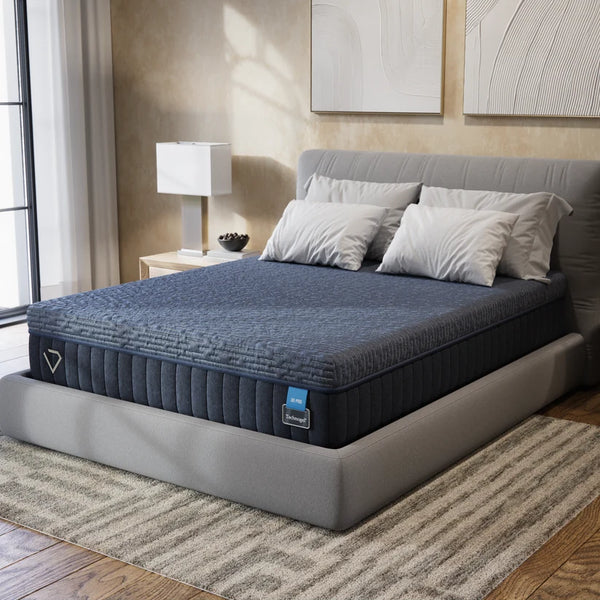
Choosing the right mattress for the zero gravity sleep position is a systems decision. The base provides the angle, but the mattress determines how your body weight is absorbed during that angled rest. To evaluate fit, consider how the mattress responds at the hip and shoulder zones when the body reclines.
What to look for in comfort layers
- Responsive cushioning: Comfort should cushion contact points without slow, deep sinking at the hips.
- Support through the core: A supported feel across the midsection helps keep the spine neutral.
- Pressure relief at shoulders: If you sleep on your side, shoulder comfort is more important at incline.
- Cooling support: Temperature regulation matters because reclined sleepers may notice heat buildup in specific zones.
One product example to start your research
Many shoppers explore adjustable posture setups with supportive comfort systems. Here is one example from The Sleep Loft catalog to consider when comparing mattress and base compatibility:
Ergomotion x Sleep Loft Series 2.0

View Ergomotion x Sleep Loft Series 2.0
Use this example as a research anchor, then compare mattress options that pair well with an adjustable incline. If you want a more breathable, plant-forward direction, you can also review these mattress pages while you evaluate comfort preferences:

Layer cross-section showing hip support and shoulder comfort
Who Should Consider It
The zero gravity sleep position is not a universal requirement, and it is not defined by a single diagnosis. It is a comfort strategy for people who prefer a reclined rest posture or who want to explore posture-based pressure reduction. Consider it if you notice that a flat setup feels less comfortable at certain points in the night, or if you benefit from elevating your legs for relaxation.
Potential fit by sleeping preference
- Back sleepers: Many find neutral spine comfort when torso elevation and head support are balanced.
- Side sleepers: Comfort depends heavily on shoulder support. A mattress with stable cushioning can reduce shoulder pressure when angled.
- Frequent repositioners: Repeatable angles help. A base that holds a stable posture may support consistency even if you change positions.
- Hot sleepers: Cooling comfort and airflow can matter as reclined rest may change how heat disperses.
When to be cautious
- If you feel neck strain immediately when you recline, reassess pillow height and incline angle before continuing.
- If you sense that hips sink too deeply, switch to a firmer support profile or adjust the base settings.
- If you experience discomfort near the shoulder or upper back, prioritize shoulder-zone support and cushioning.
Final Thoughts & Advice
The zero gravity sleep position can be a practical way to refine nighttime comfort. The key is to approach it as a repeatable setup that blends base angles with mattress support and pillow fit. Start with moderate recline, focus on neck and shoulder comfort, then fine-tune hip support so your spine feels neutral.
If you are deciding between an adjustable base and a mattress system, compare options based on how they behave under incline, not only how they feel flat. When possible, test in a store setting so you can evaluate positioning and stability for your body. The Sleep Loft showrooms in NY & NJ offer the ability to try top online mattress brands before purchase, with easy parking available at the new location, 1056 3rd Ave, NYC.
Policy note for planning your decision: The Sleep Loft offers a 365-night trial with one free comfort exchange. Refunds apply only to unopened mattresses. Furniture, adjustable bases, and accessories are final sale.
For shoppers ready to explore, begin by narrowing your preferred comfort level and then compare mattress pages on The Sleep Loft site to match your sleep posture goals.
Q&A Section
Is the zero gravity sleep position the same for everyone?
No. Comfort depends on body shape, mattress support, pillow height, and the exact recline angle. Two people can use the same concept yet feel different results because the hips, shoulders, and neck interact differently with the mattress layers at incline.
What should I adjust first if my neck feels uncomfortable?
Adjust pillow height and incline angle first. If the chin feels pushed down or the neck feels pulled, the pillow is likely too high or the recline is too steep. Reduce the incline slightly, then re-evaluate shoulder and neck alignment before making further changes.
How can I tell whether my mattress is compatible with a reclined setup?
Compatibility shows up in pressure distribution and stability. If your hips sink excessively, you may lose neutral spine alignment. If your shoulders feel pushed or unsupported, your comfort layer may be too firm or too thin at the shoulder zone. Test the setup at a moderate incline and adjust in small steps.
Should I use a specific pillow type for incline sleep?
Use a pillow that maintains neck neutrality at your chosen incline. People who recline often need a pillow profile that supports the neck without forcing the head forward. A pillow that works flat may be too tall when the torso reclines, so your evaluation should be done at the angle you plan to use.
Can I use this posture without an adjustable base?
It is possible with multiple pillows and careful support, but it is less repeatable. An adjustable base simplifies fine-tuning and allows consistent angles throughout the night. If you choose a pillow-only approach, expect more variability as you reposition during sleep.
How long should I keep the incline during the night?
There is no universal duration. The practical goal is comfort that you can sustain without needing frequent corrections. Start with a moderate setting, then adjust if you feel pressure or stiffness. If you regularly need to change the base or pillow mid-sleep, the setup may require better angle and support matching.
About The Sleep Loft - Online Mattress Showroom
The Sleep Loft - Online Mattress Showroom helps customers make confident comfort decisions through expert guidance and hands-on testing. Our team focuses on posture comfort, mattress support, and real-world fit for different sleep styles. We invite you to visit our locations and compare options in person with easy parking. Thank you for choosing informed comfort.
Disclaimer: This article is for general informational purposes only and does not provide medical advice. Individual comfort varies based on body mechanics, sleep habits, and personal preferences. If you have pain or health concerns, consult a qualified healthcare professional.
The content in this blog post is intended for general information purposes only. It should not be considered as professional, medical, or legal advice. For specific guidance related to your situation, please consult a qualified professional. The store does not assume responsibility for any decisions made based on this information.