

Updated on: 2026-10-18
Choosing top-rated mattresses is more than chasing a rating number. A strong fit depends on support, comfort, materials, edge stability, and how your body responds during sleep. The best approach is to compare feel and performance across sleep positions, temperature control needs, and motion transfer requirements. With a clear checklist and a practical test plan, you can narrow options confidently and reduce the chance of mismatch. Use the guide below to evaluate options and decide what to try next.
Table of Contents
- 1. How to Choose Top-Rated Mattresses
- 2. Match Mattress Feel to Your Sleep Position
- 3. Evaluate Materials and Construction
- 4. Check Performance Factors That Matter
- 5. Use a Simple Testing Plan
- 6. Common Questions Answered
- 7. Summary & Next Steps
How to Choose Top-Rated Mattresses
When shoppers search for top-rated mattresses, they often focus on popularity, star scores, or brand recognition. Those signals can help, but they do not guarantee personal comfort. A mattress is a system that must match your body weight range, sleeping position, sensitivity to pressure, and preferences for cushioning and airflow. Start with a structured evaluation so the final decision is based on fit, not guesswork.
Step 1: Define your comfort targets
Before comparing models, decide what you want to feel. Many sleepers prefer a balance of pressure relief and stable support, while others need a firmer surface to keep the hips aligned. If you wake with shoulder or hip discomfort, the comfort layer may be too soft or too thin. If you wake with stiffness, the surface may be too rigid. Write down your comfort targets in simple terms so you can compare apples to apples.
Step 2: Choose the right firmness for alignment
Firmness affects spinal alignment and how quickly you settle into the bed. Side sleepers generally benefit from more contouring to reduce pressure on shoulders and hips. Back sleepers often do best with medium support that prevents the lower back from sinking too deeply. Stomach sleepers usually need a surface that keeps the pelvis from dropping.
Step 3: Prioritize support and edge stability
Support is not just about firmness; it is about how the inner layers respond under your body. Edge stability matters if you sleep near the perimeter or get in and out of bed frequently. A mattress with strong edge support can reduce roll-off and make the bed feel more usable across the full surface.
Step 4: Evaluate temperature control and airflow
Heat retention can disrupt sleep quality even when comfort is otherwise correct. Look for breathable materials, designs that allow air movement, and cover fabrics that wick moisture. If you share a bed, temperature differences can also increase motion or restlessness.
Step 5: Consider motion transfer for shared sleep
Movement dampening is critical for partners with different schedules. Foam systems typically limit motion more than many traditional spring-only designs, while hybrids vary depending on their foam and coil integration. If you notice partner disturbance, prioritize vibration control and a comfort layer that absorbs movement.

Comfort checklist with layers, firmness, and airflow symbols
Match Mattress Feel to Your Sleep Position
Top-rated mattresses can still feel wrong if the comfort profile does not match your sleep position. The goal is to keep your spine aligned while distributing pressure across the widest possible areas.
Side sleepers: favor contour and pressure relief
Side sleeping concentrates pressure at the shoulder and hip. Look for a top layer that provides cushioning without allowing excessive sink. If your hips sink below your ribs, you may feel lower back strain. A supportive transitional layer can help prevent over-immersion.
Back sleepers: aim for balanced cushioning and support
Back sleepers need support under the lumbar region and a surface that does not push too much into the lower back. Medium support is often a common target, but the correct choice depends on your height and weight distribution. If you feel pressure under the shoulders or thighs, consider a comfort layer with a more forgiving feel.
Stomach sleepers: reduce pelvis sag
Stomach sleeping can strain the neck and lower back when the pelvis drops. Many sleepers in this position prefer a firmer build or a design with stronger support through the comfort and transition layers. The best outcome is a level alignment that keeps the pelvis from sinking.
If you want a benchmark while comparing options, you may find it helpful to review a few well-known hybrid and organic selections from trusted online collections. For example, the DreamCloud Premier Hybrid is frequently discussed for its layered feel, which can be useful as a reference point when evaluating pressure relief and support tradeoffs.
Evaluate Materials and Construction
Construction determines how a mattress behaves over time and in day-to-day use. Rather than viewing materials as marketing labels, treat them as performance variables: durability, responsiveness, airflow, and how the bed breaks in.
Foam, latex, and hybrid: know what each tends to do
Foam mattresses often deliver close contouring and strong motion dampening. Latex tends to feel buoyant and breathable, with a more responsive surface. Hybrids typically combine supportive cores with a comfort layer that can range from plush to firm. Understanding these patterns helps you interpret what a “top-rated” mattress is likely to feel like.
Consider durability signals
Durability is not just about lifespan claims. Pay attention to the thickness and role of each layer. A quality design uses a comfort layer that manages pressure while a stable support core maintains alignment. If a model has an overly soft surface layer with insufficient support underneath, it may develop body impressions sooner for some sleepers.
Look for coverage that supports your climate
Climate tolerance includes both heat management and moisture handling. Covers that breathe well can reduce night sweats and improve comfort in warmer rooms. For colder bedrooms, you may prefer a mattress that does not feel overly “drafty,” while still allowing airflow to prevent overheating.
For shoppers interested in organic materials, the Luxury Organic Mattress can serve as a useful reference when comparing organic constructions and comfort profiles. For latex-forward options, consider reviewing Avocado Green Mattress to understand how responsive, breathable comfort may fit certain preferences.

Cross-section diagram showing airflow paths and support layers
Check Performance Factors That Matter
Beyond comfort and materials, performance factors influence daily usability. Top-rated mattresses are usually strong in several of these categories, but the priority order should reflect your needs.
Edge support for getting in and out
Weak edges can create a “caving” feeling near the perimeter. This affects not only seating or reading time, but also how comfortably you can use the full sleep surface. If you share the bed, edge stability can also reduce partner roll.
Noise and bounce
Some coil systems have noticeable movement. Others are designed for reduced noise and controlled bounce. If you prefer a quiet sleep environment, evaluate responsiveness and test for creaking or repeated movement during position changes.
Ease of movement and sleep posture changes
Mobility matters for couples and restless sleepers. A mattress that is too sticky can make turning feel difficult, while one that is overly springy may not provide enough stability for alignment. Aim for a balance between surface responsiveness and controlled support.
Motion isolation for couples
Motion isolation affects how quickly movement travels across the bed. Even if a mattress feels comfortable, excessive motion transfer can break sleep. Look for designs known for reduced vibration, and confirm the feel by testing with a partner if possible.
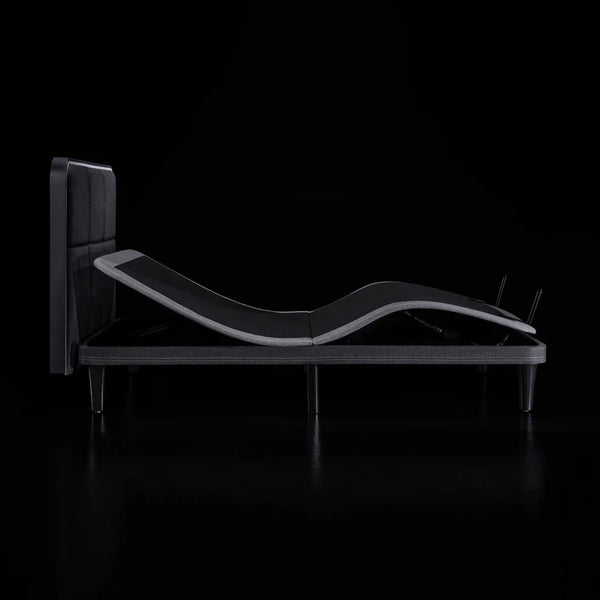
Compatibility with your bed frame
Your mattress should work well with your foundation and frame. Slat spacing, platform height, and structural support influence how the mattress distributes load. If the foundation is mismatched, the bed may sag or wear unevenly.
When comparing hybrid and cooling-focused designs, you may want to review models such as the Deluxe Chill Hybrid Mattress to understand how cooling features and layered construction can change surface feel for warm sleepers.
Use a Simple Testing Plan
Top-rated mattresses should be tested in a way that reflects real sleep. A short in-store trial can help, but it is most useful when you test for specific signals rather than hoping for a “perfect” first impression.
Test posture consistency
Lie down as you normally sleep. Stay for several minutes in each position you use. Side sleepers should check whether the shoulder and hip sink too far. Back sleepers should confirm that the lower back does not drop. Stomach sleepers should verify pelvis alignment.
Assess pressure points during position changes
Move slowly and observe how the surface responds. If you feel sharp pressure or a “bottoming out” sensation, that is an immediate indicator that the comfort layer is not matching your body needs. If you sink comfortably but remain supported, the balance is closer to ideal.
Evaluate edge use by sitting and shifting
It is common to underestimate edge performance until it affects daily routine. Sit near the edge and shift your weight. Then stand and step off with your normal motion. Strong edge stability should reduce the feeling of instability.
Confirm temperature comfort
Spend time in warm-up mode. If you tend to feel hot at night, prioritize breathable covers and designs that promote airflow. If you tend to feel cold, look for a comfort layer that does not trap heat excessively.
Make a shortlist and compare objectively
Choose two to four candidates. Compare them using your comfort targets: firmness feel, pressure relief, ease of movement, motion isolation, and edge stability. This structured method improves decision quality and helps you avoid relying solely on reviews.
For shoppers who prefer guided comparison, The Sleep Loft showrooms in NY & NJ offer the opportunity to try top online mattress brands before purchase, with easy parking. The current location is 1056 3rd Ave, NYC. After you test and narrow down options, you can select with greater confidence.
Common Questions Answered
How can I tell if a top-rated mattress will fit my body type?
Use firmness and construction cues as guidance, but confirm fit through pressure and alignment testing in the positions you actually sleep in. Focus on whether the shoulder and hip feel cushioned without excessive sink, whether the lower back stays supported, and whether turning feels controlled rather than disruptive.
Do I need to match the mattress brand to my bed frame and foundation?
Yes. Mattress performance depends on the foundation and frame structure. Check slat spacing, support height, and overall rigidity. A mattress can feel different if the foundation is too flexible, which may also change comfort layer behavior.
Are cooling features worth prioritizing in top-rated mattresses?
They can be valuable if you typically sleep hot or notice night-time restlessness. However, cooling performance works best when combined with overall comfort fit. A mattress that feels right will reduce micro-awakenings, while breathable materials can help manage temperature during sleep.
What is the best way to compare motion isolation for couples?
Focus on vibration control and comfort layer response. When possible, test with a partner or simulate movement by shifting positions and observing how quickly motion travels. Designs that reduce vibration typically help both sleepers maintain longer, more stable rest periods.
Summary & Next Steps
Top-rated mattresses can be an excellent starting point, but the highest satisfaction comes from matching design characteristics to your sleep needs. Evaluate firmness for alignment, comfort for pressure relief, and construction for durability and airflow. Then verify performance factors such as edge stability and motion isolation. Finally, use a simple testing plan that mirrors real posture changes rather than relying on first impressions.
If you are ready to narrow your shortlist, begin by selecting two or three candidates that align with your comfort target and temperature needs, then test them using the checklist in this guide. When you want a guided comparison, The Sleep Loft showrooms in NY & NJ let you try top online mattress brands before you buy, with easy parking at 1056 3rd Ave, NYC.
Policy note: The Sleep Loft offers a 365-night trial with one free comfort exchange. Refunds are provided only on unopened mattresses. Furniture, adjustable bases, and accessories are final sale.
About the Author Section
The Sleep Loft - Online Mattress Showroom is a specialist team focused on helping customers choose sleep systems based on comfort, construction, and practical performance. With expertise in mattress comparison and customer guidance, the team emphasizes informed decisions supported by hands-on evaluation. For shoppers seeking a precise fit, the showroom approach connects product understanding with real-world testing. Thanks for reading, and may your next choice support more comfortable sleep.
The content in this blog post is intended for general information purposes only. It should not be considered as professional, medical, or legal advice. For specific guidance related to your situation, please consult a qualified professional. The store does not assume responsibility for any decisions made based on this information.