

Updated on: 2026-08-31
Summary · Did You Know? · Pros & Cons · Buyer’s Checklist · Zoned Support Mattress Guide · Use Cases & Real-Life Scenarios · How to Choose the Right Feel · Final Thoughts & Advice · Q&A · About the Author
Did You Know?
- Most pressure points come from shape and weight distribution, not just firmness. A zoned layout helps guide support where you need it most.
- Sleepers often feel “fine” while lying still, then wake up uncomfortable after a few hours. Targeted support can reduce that shift in comfort.
- Your ideal mattress can depend on your favorite position. Back, side, and combination sleepers may all benefit from smarter support zones.
- Better alignment is not only about back health. It can also help some people feel more refreshed because they toss and turn less.
Comparison: Pros & Cons
-
Pros
- Targeted feel: support varies by body area for more even comfort.
- Helps reduce pressure: especially under shoulders and hips for side sleepers.
- Often supports better alignment: may help your spine feel more “held” in place.
- Flexible comfort: many zoned designs pair support zones with breathable materials.
-
Cons
- Not every zoned design feels the same. Foam, hybrid coils, and materials change the experience.
- If you prefer a fully uniform feel, zoning might feel more “mapped” than expected.
- Motion preferences vary. Couples should check how the mattress handles partner movement.
- Edge comfort differs by model, so it’s smart to test if you sit on the edge often.
Buyer’s Checklist
- Decide your primary sleep position: side, back, stomach, or combination.
- Match comfort level to your body needs. Aim for “support plus cushioning,” not just firmness.
- Look for responsive zoning: shoulders and hips should feel relieved, while the midsection stays supported.
- Check motion and edge support if you share the bed or use the perimeter often.
- Consider temperature. If you run warm, look for breathable layers or cooling covers.
- Verify trial and return options so you can test at home.
- Confirm sizing for your space and your sleep partner’s needs.
Zoned Support Mattress: What It Is and Why It Feels Better
If you’ve ever bought a “one-feel-for-everyone” mattress and still woke up sore, a zoned support mattress can be the upgrade you’ve been missing. Instead of keeping the entire sleep surface the same firmness, zoning creates a mapped comfort experience. That means your shoulders can sink slightly for pressure relief while your hips and midsection stay more supported.
In practice, that usually translates into fewer uncomfortable pressure points and less restlessness during the night. Many shoppers also notice that they feel more stable when changing positions. Stability matters because tossing and turning often starts when the body doesn’t feel evenly supported.
How zoning works in simple terms
Most zoned designs use different comfort and support layers that target key areas. Softer zones help cushion areas like the shoulders. Firmer zones often support the hips and lower back. The goal is to reduce the “sink where you’re heavy” problem and keep your spine feeling more neutral.
Who benefits most
Zoned support tends to help when you have pressure sensitivity, sleep posture changes, or a body shape that doesn’t match a uniform mattress well. Side sleepers commonly love the extra give near the shoulders and hips. Back sleepers may appreciate consistent support under the lumbar area. Combination sleepers can enjoy how zoning helps the mattress feel supportive even when your position shifts.
To make this idea even easier to picture, keep your focus on two outcomes: pressure relief and alignment support. When those goals are met, you can feel calmer and sleep more deeply.
Mapped comfort zones over simple body outline
Real comfort improvements you can feel
Even without technical details, you can judge a zoned support mattress by what it does to your body during the first few minutes. Do your shoulders feel too pressed? Do your hips feel like they sink too far? Do you feel “stuck” in one position? A quality zoning strategy should balance cushioning with stability.
Also consider breathability. Many zoned models use materials and airflow-friendly structures to help heat escape. When the sleep surface stays cooler, it’s easier to stay comfortable long enough to reach deeper sleep stages.
Use Cases & Real-Life Scenarios
One of the best parts about a zoned support mattress is how it fits different real routines. Below are common situations where shoppers typically seek zoning—and why it helps.
1) Side sleepers who wake up with shoulder or hip tension
If you frequently roll to get comfortable, you may be feeling pressure buildup. Zoned support can give your shoulders and hips a softer landing while the middle stays supported. The result is often smoother repositioning and fewer “pain signals” in the morning.
2) Couples with different comfort preferences
Couples often disagree on firmness. Zoning can help because it’s not just “soft” or “firm” everywhere. One partner may like the cushioning in certain areas, while the other partner benefits from firmer support where they need it most. If motion is also a concern, choose a model known for controlled movement.
3) People who carry stress and want a calmer sleep experience
When your body feels held evenly, you may find it easier to relax. Many customers say they toss and turn less when the mattress supports them through small nighttime movements. That can be especially valuable if you tend to wake up from discomfort rather than noise or light.
4) Hot sleepers who want airflow without losing support
A zoned design can be paired with breathable materials, so the mattress doesn’t trap heat as easily. If you run warm, prioritize a sleep system with good temperature control plus zoning so you get comfort without overheating.
5) Shoppers who want a premium feel without guessing
Buying a mattress online can feel like a leap. That’s why it helps to choose a model with a clear design goal: pressure reduction, stability, and comfort that adapts to your position. You can then compare results using a consistent testing routine at home.
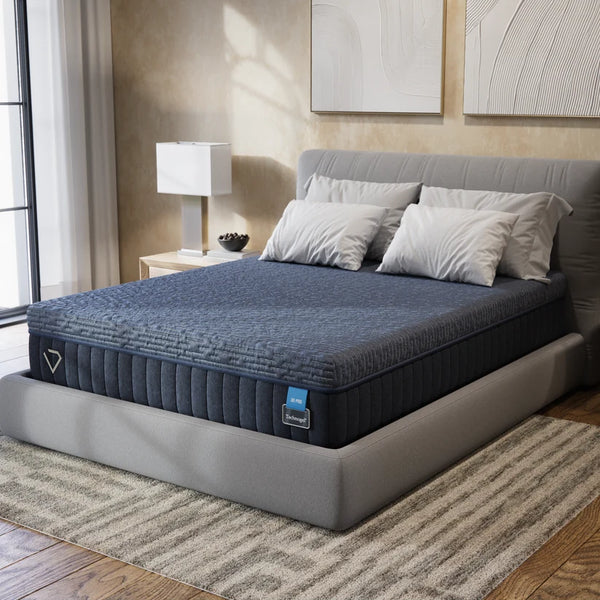
Here’s a product example many shoppers compare when they want a premium, supportive experience:
2026 New Brooklyn Bedding Titan Plus Elite View the Brooklyn Bedding Titan Plus Elite
How to Choose the Right Zoned Support Mattress Feel
Not every zoned support mattress is built the same way. Even if two mattresses both claim zoning, your comfort can differ based on how the layers work together. Use these tips to narrow down the right feel before you buy.
Choose the right support style
Hybrid options often combine responsive support with comfort layers. Foam-forward zoned designs can feel more contouring and smooth. If you like a “hug” feel, foam can be a strong fit. If you want lift and bounce, hybrid may be better.
Match firmness to your body and position
A common mistake is choosing firmness by guesswork. Consider how your pressure points behave in different positions. If you feel pressure in the shoulders when side sleeping, you likely need more cushioning in that zone. If you feel your lower back doesn’t feel supported on your back, you may want stronger lumbar support.
Look for a comfort layer that reduces pressure, not just softness
Softness alone can cause deeper sink, especially under the hips, which can lead to misalignment. A great zoned design cushions where needed and reinforces support where it counts.
Check temperature comfort
When heat builds up, sleep quality can drop. If you want a cooler night, choose models with breathable materials and airflow-friendly construction. Zoning can help by keeping the sleep surface supportive and stable, so you’re not moving as much when the body heats up.
Start with a model comparison
If you’re still browsing, comparing a few well-reviewed options can speed up your decision. You can also explore a range of styles on our site, including specialty cooling and organic comfort picks.
What customers often say
While every sleeper is different, the themes are consistent. Shoppers frequently mention that zoning helps them feel “evenly supported” and less pressure in problem areas. Many also say they notice improved comfort within the first night or two, especially if they previously dealt with shoulder tightness or hip discomfort.
If you want to test at home, lie down in your usual position. Pay attention to pressure points, not just comfort. Then spend a few minutes shifting positions to see whether the mattress supports you consistently.
Final Thoughts & Advice
A zoned support mattress can solve the most common mattress problems: uneven pressure, shifting comfort, and support that doesn’t match how your body actually rests. Instead of treating the whole surface the same, zoning creates targeted comfort that can support better alignment and a more restful night.
If you’re ready to upgrade, focus on your primary sleep position and the areas that usually feel stressed. Pair that with temperature needs and motion priorities for couples. When those factors align, shopping becomes less guesswork and more confidence.
For a hands-on experience, you can also try beds before you commit. The Sleep Loft Showroom is ready for you to try your favorite online beds before you buy. Conveniently located in New York & New Jersey. Our mattress store offers a large, comfortable space with ample parking and an easy to find, convenient location. Our New location at 1056 3rd Avenue, New York, NY.
Q&A Section
What is a zoned support mattress better for than a standard mattress?
A standard mattress often uses a uniform comfort feel across the entire surface. A zoned support mattress changes firmness and cushioning by body area, which can help relieve pressure points and keep your midsection supported as you move through the night.
Will zoning feel too firm or too soft in some areas?
It can, depending on the design and your sleep position. That’s why you should check how it feels under your shoulders, hips, and lower back. The best zoning setups cushion where you need relief while maintaining stability where your body weighs more.
Are zoned mattresses good for side sleeping?
Many side sleepers find zoned support helpful because it can soften the shoulder and hip area for pressure relief while reinforcing support under the torso. If you wake up with shoulder or hip discomfort, zoning is often a strong place to start your search.
How long should I test a new zoned support mattress?
Most shoppers benefit from a short at-home break-in period to let their body adjust. During that time, compare how you feel in your normal sleep position and note any pressure points, warmth, or motion transfer issues. If something feels off, check your trial terms so you can choose the right option confidently.
About the Author Section
The Sleep Loft - Online Mattress Showroom specializes in helping customers find the right sleep system with a focus on comfort, support, and fit. Our team’s expertise comes from supporting shoppers through real buying questions and mattress comparisons. Thanks for reading, and we hope you find a setup that helps you wake up feeling better.
Disclaimer: This article is for general education and shopping guidance only. Individual comfort and sleep results vary by person, body type, and preferences. Always review product details, care instructions, and return or trial policies before purchasing.
The content in this blog post is intended for general information purposes only. It should not be considered as professional, medical, or legal advice. For specific guidance related to your situation, please consult a qualified professional. The store does not assume responsibility for any decisions made based on this information.