

Updated on: 2026-09-01
Updated comfort starts with how a mattress responds where you need it most. Zoned support coils are designed to deliver targeted pressure relief for hips and shoulders while still keeping your spine aligned. When the support changes across the bed, you often feel less “stuck” in one position and more consistent comfort all night. If you share a bed, the same structure can also help reduce motion transfer, so sleep stays calmer.
Table of Contents
Product Spotlight: Comfort you can feel
If you want the best chance of waking up less stiff, start with a mattress that pairs zoned responsiveness with dependable cooling. One option worth a look is:

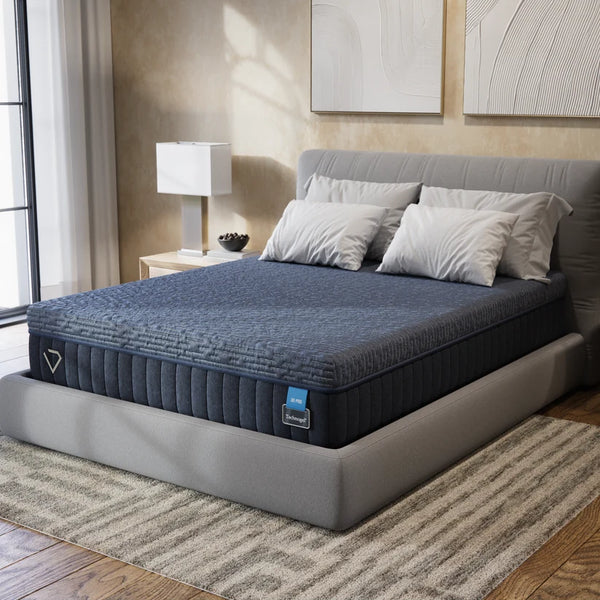
Helix Twilight Luxe — Includes GlacioTex™ Cooling Cover. Shop Helix Twilight Luxe
Why it fits the zoned-support conversation: many coil systems feel great at first, but the goal is to keep support consistent as you move. A cooling cover helps manage surface heat, while the coil structure can provide targeted lift where your body needs it most. That combination is ideal for people who wake up uncomfortable at night and want a smoother path back to restful sleep.

Split comfort zones with pressure points marked
What Are Zoned Support Coils?
Zoned support coils are mattress coils engineered in sections. Instead of having the same firmness everywhere, the coil support varies across the bed. Typically, firmer zones help support the hips and lower back, while softer or more responsive zones help the shoulders and upper body sink comfortably.
For many shoppers, the appeal is simple: your body is not symmetrical in what it needs. Your shoulders, midsection, and hips all contact the mattress differently. Zoned coils aim to match those needs with a more tailored feel. The result can be better posture support, easier side-sleep settling, and less “depth confusion” when you change positions.
It’s also a practical choice for couples. When one person moves, zoned coil designs may help control how much that movement spreads. That can lead to fewer wake-ups without relying on you and your partner to sleep in the same rhythm.
How Zoned Support Works for Real-Life Sleep
To understand why zoned support coils can feel different, think about pressure distribution. When you lie down, your weight creates pressure points. Traditional coil beds can either be too springy everywhere or too soft everywhere, which forces you to compensate with your muscles.
Zoned coils respond by changing the support intensity by area. In the torso zones, the bed can offer firm, steady lift to help your spine stay more neutral. In the shoulder zones, the surface can allow a bit more sink so you do not feel trapped on top of the mattress. In the hip zones, stronger support can reduce the “hips sinking too far” effect that often happens on all-foam beds or single-feel coil systems.
Layering matters too. A good mattress build pairs responsive coil cores with comfort materials that help with pressure relief and airflow. Cooling fabrics can also make a noticeable difference if you sleep warm. For example, many shoppers like the way the Helix Twilight Luxe cooling cover supports temperature comfort while the mattress construction targets body contouring.
Key Benefits for Different Sleepers
Zoned support coils shine when your sleep needs are varied. Here are common scenarios where shoppers usually notice a meaningful difference.
1) Side sleepers who want shoulder and hip balance
Side sleeping often requires both pressure relief and stability. Zoned coil designs can help the shoulder area feel more forgiving while still supporting the hips so alignment stays closer to neutral. That balance is where many people report less tossing during the night.
2) Back sleepers seeking steady, supportive lift
Back sleepers usually benefit from consistent support under the lower back. A zoned system can help maintain that lift without making the bed feel harsh. The goal is to keep your spine from sagging and to reduce the “stuck” feeling you can get with overly firm mattresses.
3) Stomach sleepers who need extra stability
Stomach sleeping can put extra strain on the lower back if the bed lets hips sink. Zoned coils often provide firmer support in the midsection and hip areas, which can help reduce that sinking effect. While personal preference matters, targeted support can make stomach sleeping feel more controlled.
4) Couples managing motion and position changes
When a mattress responds in zones, it can help limit the ripple effect of movement. That means fewer small disturbances traveling across the bed. If you share a bed with a restless sleeper, this is one of the reasons zoned coil designs get recommended so often.
5) Hot sleepers who want a cooler surface
Zoned coil cores are not only about support. Many mattresses add cooling covers or breathable comfort layers to reduce heat build-up. If you wake up feeling overheated, pairing coil support with a cooling top can help improve comfort before you even consider firmness changes.
Want another cooling-forward option? Explore Deluxe Chill Hybrid Mattress if you prefer a hybrid feel with temperature comfort as a key goal.

Sleep positions over a zoned support map
Step-by-Step How-To: Choose the Right Zoned Coil Feel
Picking a mattress can feel overwhelming because “firm” means different things across brands. Here’s a simple approach you can use to choose zoned support coils that fit your body and your sleep style.
-
Start with your most common position. If you mostly sleep on your side, prioritize shoulder comfort and hip stability. If you sleep on your back, look for steady lift under the lumbar area. If you sleep on your stomach, choose support that resists excessive hip sinking.
-
Decide how you want the surface to feel. Some people want a gentle hug before the coils take over. Others prefer a more direct, “supported” feel with minimal sink. The right balance is usually the one that lets your body relax without bottoming out.
-
Match firmness to your comfort needs, not just your preference. If you wake up with pressure on your shoulders or hips, your comfort layers may be too firm or not responsive enough. If you wake up with back tension, the mattress may be too soft in the support zones.
-
Consider your temperature during sleep. If you run hot, look for cooling covers and breathable construction. A mattress with a cooling top can help you feel comfortable faster and stay comfortable longer.
-
Check for edge support if you use the perimeter. If you sit on the edge to put on shoes or you tend to sleep near the edge, supportive coil designs can help you feel more stable.
-
Plan for an adjustment period. Even the right mattress can feel different at first if you are switching from a very soft foam feel or a very firm traditional bed. Give yourself time to feel the full change in alignment and pressure distribution.
If you want a quick comparison in the Helix lineup, you can also review Helix Midnight Luxe for a comfort profile that focuses on balanced support. Always choose the feel that best matches how you actually sleep, not how you think you should sleep.
Personal Experience: The Night I Stopped Tossing
I used to blame stress for every restless night. But after I made a switch to a mattress with zoned coil support, my experience changed in a very specific way. I remember lying on my side, expecting to sink too much at my hips. Instead, the support felt more organized, like the mattress was doing part of the alignment work for me.
By the second night, I noticed I was moving less. The shoulder area felt less “pinned,” and the midsection did not feel like it was dropping. I also noticed I stayed cooler on the surface compared to my previous bed, which made it easier to fall back asleep after a couple of position changes.
The biggest surprise was how natural the support felt when I shifted positions. I did not feel like I was fighting the mattress. I felt supported in the places that usually caused discomfort, and that made it easier to stay asleep.
Summary & Recommendations
Zoned support coils can be a smart upgrade when you want mattress support that matches your body instead of one blanket firmness for everyone. By varying coil intensity across the bed, zoned designs aim to improve pressure distribution, support alignment, and reduce the “sink and strain” feeling that can happen on older mattress styles.
For a product-focused recommendation, consider pairing targeted coil support with a cooling surface. That is why the Helix Twilight Luxe stands out, with its cooling cover plus the kind of zoned responsiveness many sleepers look for when they are ready for better nights.
If you are comparing comfort levels, use the step-by-step method above. Choose based on your primary sleep position, how much surface sink you like, and whether you tend to sleep hot. Then take action by trying a mattress option that fits your needs.
Call to action: Visit The Sleep Loft - Online Mattress Showroom to explore zoned coil options and find the feel that supports your best sleep. Our Showroom is ready for you to try your favorite online beds before you buy. Conveniently located in New York & New Jersey, with our New location at 1056 3rd Avenue, New York, NY, and an easy-to-find setup designed for a smooth shopping experience.
Q&A Section
Are zoned support coils better than standard pocket or open-coil designs?
They can be, depending on what you need from the mattress. Zoned support coils vary firmness by body area, which can help with pressure relief and alignment. Standard coil designs may offer good support but often feel more uniform across the bed. If you struggle with shoulder pressure, hip sinking, or back tension, zoned support is often worth considering.
Will zoned support coils help with motion transfer for couples?
They often can. While no mattress fully eliminates motion, zoned coil structures may help limit how movement spreads across different regions. If you or your partner frequently changes position at night, choosing a coil-based mattress with strong edge and structured support can help keep sleep calmer.
What firmness level should I choose if I sleep on my side?
Side sleepers typically do best when the mattress offers pressure relief at the shoulder and a stable feel under the hips. If a mattress is too firm, you may feel pressure points. If it is too soft, hips can sink too far. Start with a balanced comfort feel and look for zoned support that maintains lift where it matters most.
How do I know if I run too hot on a mattress?
If you frequently wake up feeling overheated, notice a warmer surface during the first part of the night, or wake up sweaty without realizing why, temperature comfort may be part of the problem. Choosing a mattress with breathable materials and a cooling cover can help, especially when paired with coil support that naturally supports airflow.
Can I use zoned support coils if I prefer a hybrid or slightly plush top?
Yes. Many zoned coil mattresses are built with comfort layers that create a plush feel while the coils maintain targeted support underneath. The key is balance: the comfort layer should relieve pressure without letting the support zones lose their structure.
About the Author Section
The Sleep Loft - Online Mattress Showroom provides guidance rooted in mattress comfort education and real-world shopper needs. Our team focuses on helping customers understand support, pressure relief, and temperature comfort so they can choose confidently. Thanks for reading, and we hope you find a mattress that supports your best nights—right at the comfort level you deserve.
Disclaimer: This article is for general informational purposes and does not provide medical advice. Comfort preferences vary by person, and you should choose the mattress that feels best for your body. Always follow the product care instructions provided by the manufacturer.
The content in this blog post is intended for general information purposes only. It should not be considered as professional, medical, or legal advice. For specific guidance related to your situation, please consult a qualified professional. The store does not assume responsibility for any decisions made based on this information.