

Updated on: September 24, 2026
If you want a mattress that fits your body and your sleep habits, a showroom visit can clarify the choice faster than online research alone. A Midtown Mattress Showroom lets you compare comfort levels, firmness options, and support feel in person. You can also ask product questions and observe how different constructions respond to movement. With the right preparation, your appointment can turn uncertainty into a confident purchase decision.
1. Why a Midtown Mattress Showroom Matters
2. What to Bring and What to Prepare
3. How to Test a Mattress in a Midtown Mattress Showroom
4. Choosing the Right Feel for Your Body
Why a Midtown Mattress Showroom Matters
Buying a mattress is personal. Your preferred comfort depends on body alignment, pressure relief, airflow, and how you move during the night. A Midtown Mattress Showroom reduces the guesswork by translating specifications into real, on-surface feedback.
In a showroom, you can feel differences that do not transfer well through photos or generic reviews. For example, firmness ratings vary by brand and even by model. In person, you can evaluate whether the mattress supports your hips in a side-sleeping position or keeps your spine aligned when you lie on your back. You can also test edge support by sitting and getting a sense of stability while getting in and out of bed.
Another advantage is the ability to compare multiple comfort profiles in a controlled setting. If you are deciding between a more responsive hybrid feel and a contouring foam feel, you can compare both categories within the same visit. That helps you identify your sleep priorities instead of chasing features you may not actually use.

Side-by-side comfort zones with labeled firmness levels
What to Bring and What to Prepare
To get the most from your Midtown Mattress Showroom visit, preparation is more effective than rushing. Start by thinking about how you sleep on an average night. Then bring a clear set of questions so you can compare models based on your needs rather than marketing terms.
Bring your current mattress details
If you have your old mattress, note its approximate age and what you disliked. Common concerns include sagging, heat retention, lack of support, or discomfort at shoulders and hips. Even if you cannot identify the exact model, your observations help you narrow choices quickly.
Plan for a short testing routine
Many shoppers benefit from a consistent routine: lie down in your typical position, shift as you normally would, and pay attention to pressure points. You can also test how the mattress reacts when you change from side to back. Aim for honest evaluation, not perfection in one minute.
Know your comfort targets
Decide whether you want a “soft enough to cushion” sensation or a “firm enough to support” sensation. If you are unsure, focus on comfort problems you want to solve. For example, if you feel shoulder pressure, you will likely want improved contouring. If you feel hips sinking too much, you may need stronger core support.
If you prefer to explore options first, you can review curated product pages online and then confirm your preferred feel in-store. One option that many shoppers consider is the hybrid comfort approach that balances support and surface responsiveness.
How to Test a Mattress in a Midtown Mattress Showroom
Testing well is the difference between a showroom experience that feels productive and one that feels confusing. Use a simple, repeatable method and evaluate comfort using both sensation and movement.
1) Assess alignment in your main sleep position
Lie in your normal position for at least a short stretch. Side sleepers should check whether shoulders and hips sink enough to relieve pressure but not so much that the spine bends. Back sleepers should feel supportive contact through the lower back without feeling lifted or unstable. Stomach sleepers usually need firmer support to prevent the hips from dropping.
2) Test pressure relief with small position changes
Pressure relief often changes when you subtly adjust your posture. Try a gentle shift toward the mattress center and then back toward the edge. Pay attention to whether the mattress eases pressure at the shoulder and hip areas without creating a “bottoming out” sensation.
3) Evaluate response time and movement
If you frequently change positions, responsiveness matters. A mattress that feels responsive can help you move without feeling stuck. Press lightly with your palm, then observe how quickly the surface returns. While responsiveness cannot be perfectly measured in a showroom, the tactile experience helps you predict nightly usability.
4) Check temperature and airflow feel
Temperature comfort is practical. Place your hand on the sleep surface, and notice how quickly it feels warm or cool during your testing window. If you tend to sleep hot, prioritize designs known for airflow and cooling characteristics. A hybrid build can be one direction to explore, especially if you want both support and ventilation.
5) Confirm edge stability
Edge support affects how comfortably you sit, change positions, and get out of bed. Sit near the edge and apply gentle body weight. If the edge feels unstable, you may feel less secure during daily routines, particularly if you sleep close to the perimeter.
6) Inquire about materials and construction
Ask what makes each mattress different. Instead of focusing only on marketing language, request practical details: what type of comfort layer is present, what supports the core, and how the construction handles motion. This information often explains why two mattresses with similar firmness feel different.

Hands testing mattress surface with airflow and edge icons
Choosing the Right Feel for Your Body
A Midtown Mattress Showroom can help you select comfort that matches your body type and sleep habits. The best mattress is not always the one labeled “soft” or “firm.” It is the one that supports your spine while reducing pressure in high-contact areas.
Start by considering sleep position. Side sleepers typically benefit from mattresses that cushion shoulders and hips. Back sleepers usually require support that maintains a neutral posture. Stomach sleepers often need a firmer feel to reduce excessive hip sinking.
Body weight also influences comfort. Individuals with a higher body weight may need stronger core support to avoid premature sagging. Individuals with a lower body weight may prefer a surface that provides enough contact and stability without feeling too firm. In a showroom, you can test how the surface responds to your specific pressure.
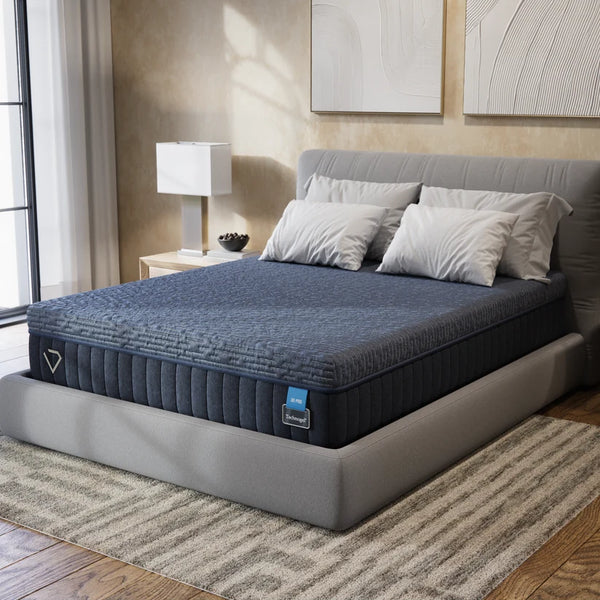
Construction type can guide your decision. Many shoppers compare foam and hybrid designs. Foam tends to contour close to the body. Hybrid models combine support layers with a comfort surface, often delivering a balance of pressure relief and airflow. If you are interested in a cooling-forward hybrid direction, you may compare options such as the Helix Twilight Luxe experience. If you prefer an organic comfort approach, you can also evaluate luxury organic materials and discuss how they align with your comfort targets.
Common Missteps That Lead to Regret
Many buyers make avoidable errors. Avoiding these patterns improves the chance that your selected mattress remains comfortable as your body adapts.
Choosing based on firmness alone
Firmness is only one component of comfort. Two mattresses can feel similarly firm but differ in pressure relief and motion response. Prioritize how your body feels in the position you actually sleep in.
Skipping a movement test
If you share a bed, motion transfer can affect sleep quality for both people. Even solo sleepers move during the night. Testing movement in the showroom helps you anticipate how the mattress will perform at home.
Overlooking edge support
Some people do not consider edge stability until they experience discomfort when sitting on the bed or getting up at night. In-store evaluation is a simple way to avoid later frustration.
Relying only on short visits
A mattress can feel comfortable immediately yet become less supportive over time. While you will not fully replicate an overnight test, extending your evaluation beyond a quick lie-down helps you identify early signs of pressure points or misalignment.
Ignoring temperature preferences
Heat sensitivity is common. If you know you sleep warm, select designs that emphasize cooling and airflow. If you do not know your preference, test the surface feel during your visit and ask staff what differences relate to temperature comfort.
Recommended Next Steps After You Try It
After you test mattresses in a Midtown Mattress Showroom, your next step should be decisive and structured. The goal is to turn comfort feedback into a purchase plan and a setup that supports better sleep immediately.
Compare your top two options using a checklist
Write down what felt best for pressure relief, alignment, movement, and temperature. Rate each category and keep the list short. If two mattresses both feel good, the checklist clarifies the difference.
Ask about delivery, setup, and trial details
Comfort is important, but convenience also matters. Confirm delivery timelines, setup expectations, and any return or exchange policy terms. A clear policy reduces stress and supports a confident decision.
Plan bedding choices that match your mattress feel
The mattress does not exist alone. A supportive base, appropriate sheet thickness, and a compatible topper or pad can influence the final feel. If you add layers, keep the goal consistent with your comfort preferences. Do not change multiple variables at once, or you will struggle to identify what caused improvement or discomfort.
Test long-term fit through consistent routines
When you take the new mattress home, maintain consistent bedtime routines for evaluation. Use your usual pillow and sleeping position until you learn how the mattress adapts to your movements.
If you want to continue exploring comfort directions online while preparing for your showroom visit, you can review other options such as the Avocado Green Mattress profile. Then confirm your final selection in-person for alignment and pressure comfort.
Common Questions Answered
How long should I test each mattress during my Midtown Mattress Showroom visit?
Plan for a focused testing cycle per model. A practical approach is to spend enough time to feel pressure relief in your usual sleep position, then repeat a short movement check. If possible, compare two or three models before making a final decision. This prevents fatigue and improves consistency in your evaluation.
What firmness level should I choose if I sleep on my side?
Side sleepers often benefit from a comfort surface that cushions shoulders and hips while keeping the spine aligned. The ideal firmness usually depends on your body weight and whether you tend to sink too much. In a Midtown Mattress Showroom, prioritize pressure relief and neutral alignment over a single firmness label.
How can I tell whether a mattress will keep me cool?
Look for design elements that support airflow, and ask about cooling-focused construction features. In the showroom, you can also pay attention to how the surface feels during your testing window. If you sleep warm, choose materials and structures that are designed to reduce heat retention and increase ventilation.
Summary & Next Steps
A Midtown Mattress Showroom helps you make a mattress decision that reflects real comfort, not guesswork. When you prepare properly and test alignment, pressure relief, movement, and edge stability, you reduce the risk of an incorrect fit. Use your visit to narrow options, then confirm delivery and policy details before purchasing. If you are ready to evaluate comfort in person, consider scheduling your next showroom visit and bring a short checklist so your decision stays grounded in your sleep needs.
For shoppers in New York and New Jersey, a showroom visit can be especially convenient. The Sleep Loft Showroom is located at 1056 3rd Avenue, New York, NY, and offers ample space with convenient parking. You can try your preferred sleep feel before you commit, while also exploring a selection of quality mattresses online.
About the Author Section
The Sleep Loft - Online Mattress Showroom supports mattress shoppers with expert guidance grounded in comfort science and practical buying support. Our team focuses on helping customers understand feel, support, and materials so they can select a mattress that matches their sleep routine. We combine showroom-based experience with online accessibility to make the process clear and efficient. Thank you for reading, and we look forward to helping you find a better night’s sleep.
Disclaimer: This article provides general guidance for mattress shopping and showroom evaluation. Individual comfort preferences vary, and performance claims may differ by product. For the most accurate information, review each mattress listing and confirm details with the retailer before purchase.
The content in this blog post is intended for general information purposes only. It should not be considered as professional, medical, or legal advice. For specific guidance related to your situation, please consult a qualified professional. The store does not assume responsibility for any decisions made based on this information.