

Updated on: 2026-09-23
If you are shopping locally, a Midtown NYC Mattress Store can simplify the decision by letting you test comfort in person while you compare options side by side. Midtown shoppers usually care about fit, support, temperature, and motion control, especially in smaller apartments. A smart plan includes defining sleep position needs, measuring your space, and matching mattress feel to your typical pressure points. This guide explains how to evaluate mattresses effectively and choose a dependable model for long-term comfort.
What Makes a Midtown NYC Mattress Store Different
Step-by-Step Guide to Choosing the Right Mattress
Key Comfort Factors to Evaluate in Person
Tips for Midtown Apartment and Space Constraints
What Makes a Midtown NYC Mattress Store Different
Choosing a Midtown NYC Mattress Store is often about speed, confidence, and fit. In a dense area, you may not want to rely on guesswork from product descriptions alone. A local showroom lets you lie down and evaluate how a mattress responds to your body in real time, which is especially important when you have specific comfort goals.
Midtown shoppers typically want a balance of support and pressure relief. Many also prioritize temperature control because apartments can retain heat, and sleep quality can suffer if you wake up too warm. A good mattress store experience also supports practical decision-making: you can compare cover materials, firmness levels, edge support, and how well the surface isolates movement.
Another advantage is logistics. If you choose pickup or local delivery, it becomes easier to plan around elevators, hallways, and tight delivery windows. A store that is easy to find can reduce friction in the buying process, which matters when you are balancing work, commute time, and apartment access.
Step-by-Step Guide to Choosing the Right Mattress
A structured approach prevents common buying mistakes. Follow these steps to narrow your options efficiently and select a mattress that matches how you sleep.
Write down your sleep priorities. Decide what matters most. Examples include pressure relief for shoulders, low back support, reduced motion transfer, or cooler sleep.
Start with your sleep position. Side sleepers usually need a surface that cushions hips and shoulders while keeping the spine aligned. Back and stomach sleepers often benefit from a firmer feel and stronger lumbar support.
Set a firmness target, then fine-tune. Firmness is personal. Use in-store comfort testing to find a level that feels supportive without causing pressure buildup.
Check edge support. Sit near the edge and test how stable it feels. Better edge support can help with getting in and out of bed and supports consistent sleeping across the mattress.
Test movement isolation. If you share the bed, move and change positions. You should feel less motion transfer when you roll or adjust.
Evaluate temperature comfort. Notice how the surface feels after a few minutes. Look for cooling-friendly construction and airflow-promoting designs.
Verify fit for your frame and room. Measure your bed frame, door openings, and the space around your bed. Confirm that the mattress height and thickness will work for your setup.
Confirm warranty and return terms. A reliable policy reduces risk. Read the details so you understand coverage, timelines, and any conditions for adjustments.
How to test like a pro in a store
When you lie down, aim for realistic posture. Spend time on your usual side, then test the area around your shoulders and hips. For back sleepers, check whether your midsection feels supported or sinks too much. For stomach sleepers, look for a surface that prevents hips from dropping. If you feel pressure points quickly, that is a meaningful signal to adjust firmness or mattress type.

Person testing posture alignment with neutral spine silhouette
Key Comfort Factors to Evaluate in Person
In a Midtown NYC Mattress Store, the goal is not simply to choose what feels good at first. Comfort should remain stable across a typical night. Focus on these factors to make a more durable decision.
Pressure relief without sinking too far
Pressure relief and support must work together. A mattress that is too soft can create deep sink that stresses the lower back. A mattress that is too firm can reduce contact comfort and increase pressure at the shoulders and hips. During testing, pay attention to where you feel “pinching” or numbness. Choose a surface that cushions while keeping the spine aligned.
Spinal support and alignment
Support is about how the mattress responds to your body shape. Many sleepers benefit from zoned support or responsive layers that keep the core supported. In-store, you can observe your alignment by noticing whether your waist area stays elevated rather than collapsing.
Motion isolation for shared sleep
Motion isolation matters in most households. If you share the bed, a mattress that reduces bounce can help prevent wake-ups when someone changes positions. Move deliberately during testing. If the mattress feels reactive and shifts under you, consider a model designed to limit transfer.
Temperature and airflow
Temperature affects sleep depth. Some mattresses are engineered for better airflow and heat management. While you cannot replicate your bedroom temperature in-store, you can still evaluate surface comfort and construction cues such as breathability and airflow-oriented materials.
Edge stability for everyday use
Edge support influences how usable the full mattress surface feels. It also affects how comfortably you can sit to put on shoes or climb into bed. If edge stability feels weak, you might feel restricted when sleeping near the edge or changing positions at night.
Tips for Midtown Apartment and Space Constraints
Shopping in Midtown often means dealing with smaller rooms, limited storage, and delivery logistics. Use these practical tips to avoid discomfort after you bring the mattress home.
Measure before you decide. Confirm the mattress size you can fit through doors and up stairs. Measure the path from entrance to bedroom.
Consider bed height and access. Taller mattresses can look impressive but may be harder to get into if you prefer a lower profile.
Choose a manageable setup for delivery. If your building has elevator scheduling, confirm delivery requirements early.
Balance comfort with practicality. A mattress that is ideal for pressure relief must also work with your frame and sheets.
Plan for mattress rotation guidance. Follow care instructions to maintain comfort and prevent uneven wear.
When you want to compare specific models quickly
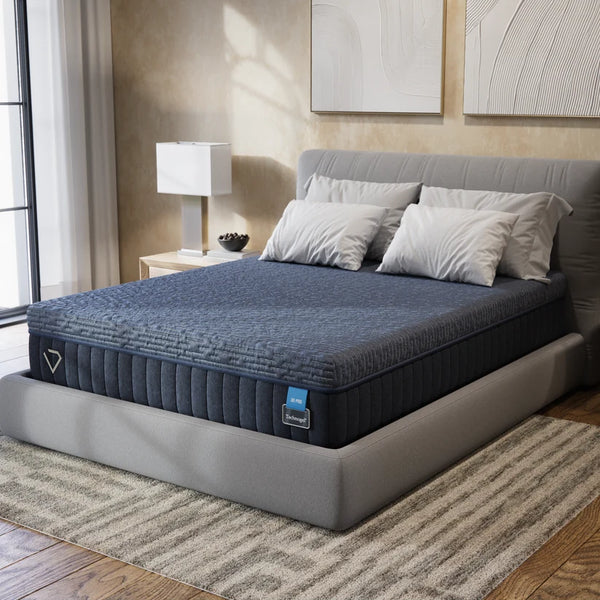
If you already have a shortlist, you can speed up the decision by focusing on what changes between models: firmness, layer responsiveness, and cooling design. For example, if you prefer a balanced feel with supportive response, you may compare mattresses designed for comfort and durability. You can explore options such as the Helix Twilight Luxe or the Eco Organic Mattress to understand how different construction approaches can feel.

Apartment layout diagram showing room clearance and delivery path
Recommended Mattress Types for Common Sleep Needs
There is no single “best” mattress for every person. However, certain sleep needs align with specific mattress styles. Use the guidance below to translate comfort goals into mattress type selection.
For side sleepers who need pressure relief
Side sleepers commonly experience pressure at the shoulders and hips. Many benefit from a mattress that provides cushioning on top while maintaining supportive structure underneath. Hybrid and foam-forward designs can deliver a balance of conforming comfort and stable alignment, depending on firmness level. During testing, prioritize how your shoulders feel when you settle into the surface and whether your waist stays aligned.
For back sleepers who want lumbar support
Back sleepers typically benefit from consistent support along the midsection. A mattress that resists excessive sink can help keep the spine neutral. Look for stable responsiveness and consider options that emphasize zoning or supportive layers that maintain alignment across the body.
For couples who need motion control
If you share your bed, prioritize motion isolation. When one person gets up, you want minimal disturbance for the other sleeper. In-store, test by shifting positions and observing how much the mattress “moves” relative to your motion.
For sleepers sensitive to heat
Temperature management is a practical comfort goal. Look for construction intended to improve airflow and reduce heat retention. You can also consider models engineered for cooler sleep experiences, such as the Deluxe Chill Hybrid Mattress or the Sapira Chill Hybrid Mattress, then confirm comfort in person.
For buyers who want a premium organic feel
Some shoppers want natural materials and a comfort profile that supports long-term wellness priorities. If you are considering an organic or premium natural option, test carefully for firmness and comfort fit. The experience you feel in the store is the benchmark that matters most.
When you visit, focus on the comfort outcomes you want, not just the label. Materials and construction can influence feel, but individual alignment, pressure distribution, and personal preference determine satisfaction.
FAQs
How long should I test a mattress in a Midtown NYC Mattress Store?
You should spend enough time to assess both initial comfort and alignment. Plan for several minutes per position, including your most common sleep posture. If you feel pressure points quickly or notice misalignment, use that feedback to compare alternatives rather than relying on the first impression.
What firmness level is best for side sleepers?
Most side sleepers prefer a medium to medium-firm feel, but the correct choice depends on body weight, shoulder width, and hip contour. The best firmness is the one that cushions shoulders and hips while keeping the spine aligned. During testing, focus on pressure relief and whether your waist remains supported.
Do I need a special mattress if I sleep with a partner?
Typically, couples benefit from stronger motion isolation and stable edge support. Test by changing positions and observe how much movement transfers. A mattress that reduces bounce can help maintain uninterrupted sleep when one person shifts during the night.
Wrap-up & Final Thoughts
A Midtown NYC Mattress Store can help you make a confident decision by combining in-person comfort testing with practical guidance. The most effective approach is to evaluate pressure relief, spinal support, temperature comfort, and motion isolation using a consistent testing routine. Measure your space, confirm logistics, and choose a mattress that fits your frame and daily habits. With the right strategy, you can select a dependable mattress that supports restful sleep for years.
If you are ready to try options in a convenient setting, consider visiting The Sleep Loft Showroom. The Sleep Loft Showroom is ready for you to try your favorite online beds before you buy, with a large, comfortable space and an easy-to-find location in New York & New Jersey. Our New location at 1056 3rd Avenue, New York, NY offers practical accessibility for local shoppers.
Disclaimer: Mattress comfort is subjective. The guidance in this article is informational and does not replace personalized advice or product-specific testing. Always review warranty terms and product details before purchase.
About the Author Section
The Sleep Loft - Online Mattress Showroom contributes guidance on mattress comfort selection and showroom evaluation. Our expertise focuses on helping shoppers understand how firmness, support, and sleep preferences interact across mattress types. We encourage readers to test in person, compare thoughtfully, and choose what supports their sleep goals. Thank you for reading, and we look forward to helping you find a mattress you can live with comfortably.
The content in this blog post is intended for general information purposes only. It should not be considered as professional, medical, or legal advice. For specific guidance related to your situation, please consult a qualified professional. The store does not assume responsibility for any decisions made based on this information.