

Updated on: 2026-04-29
Choosing sustainable sleeping solutions helps reduce environmental impact while supporting healthier rest. The right materials can improve breathability, reduce odor retention, and support long-term durability. Thoughtful design choices also help you avoid frequent replacement cycles. When you combine comfort with responsibility, you gain a bed that aligns with both your sleep needs and your values.
TLDR
Sustainable sleeping solutions can offer comfort, durability, and a lower environmental footprint. Look for responsible fiber sourcing, safer material choices, and construction that resists premature wear. Prioritize breathable layers and practical support for your sleep position. Use an evidence-based checklist so your purchase matches both your values and your nightly needs.
Myths vs. Facts
-
Myth: Sustainable sleeping solutions always feel less comfortable.
Fact: Comfort depends on build quality, support design, and layer performance. Many sustainable materials can maintain pressure relief and airflow.
-
Myth: Eco-friendly beds are too fragile for everyday use.
Fact: Durability is determined by core materials, thickness, and manufacturing standards. Responsible designs often target long service life.
-
Myth: “Natural” automatically means “safe” and “non-toxic.”
Fact: Safety comes from the full material and process chain. Certifications and ingredient transparency matter more than marketing terms.
-
Myth: Sustainable equals only one material type.
Fact: Sustainable sleeping solutions can include combinations of organic fibers, responsibly sourced foams, latex, and well-managed textile covers.
Step-by-Step Guide
To select sustainable sleeping solutions that fit your comfort needs, use a structured approach. The goal is to match materials and construction with your sleep habits, while also considering environmental impact and longevity.
Define your sleep priorities. Identify your main need: pressure relief, temperature control, back support, or reduced motion transfer. This step narrows the search quickly.
Choose a supportive core. Look for a stable base that prevents premature sagging. In general, a strong support core improves alignment and extends usable life.
Evaluate comfort layer performance. Consider breathable cover fabrics and comfort materials that maintain consistent feel. A bed that holds its shape supports better sleep quality over time.
Confirm material sourcing. Seek clear sourcing language for fibers, natural ingredients, and finishing processes. Certifications can reduce uncertainty when you compare options.
Check for airflow and moisture management. Sustainable comfort often depends on breathability. Better airflow can reduce heat buildup and help sleepers feel drier.
Assess cover and edge behavior. Mattress covers influence comfort and cleaning ease. Edge support also affects how easy it is to sit on the bed and get in and out.
Compare replacement frequency. A sustainable choice also means fewer cycles of disposal. Longer-lasting beds can reduce waste even when initial cost is higher.
Use transparent policies to test fit. A short evaluation period helps you confirm comfort. If the feel does not match, you can choose better alignment for your body.

Checklist visuals: support, breathability, sourcing, longevity
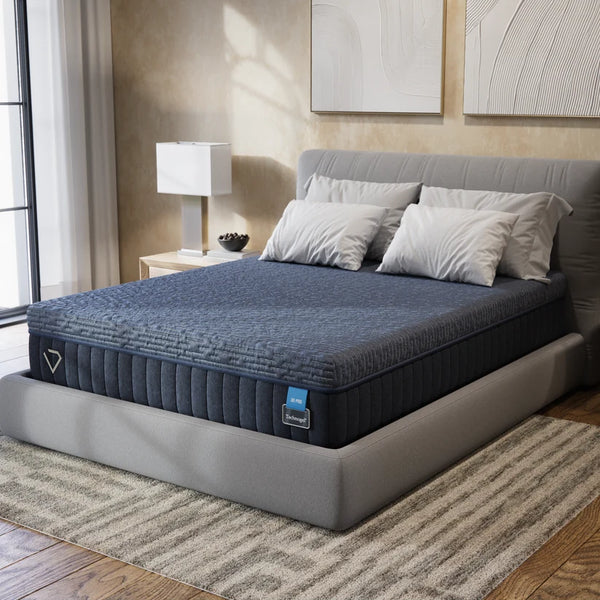
If you want practical examples while shopping, you can review sustainable-led product categories and compare how they describe materials and comfort layers. For instance, you can explore an eco-organic mattress option to understand how organic positioning often connects to comfort, cover choices, and durability messaging.
Material choices to look for in sustainable sleeping solutions
Different sustainable sleeping solutions use different materials. Your task is not to chase a single label. It is to understand how materials perform in real sleep conditions.
Natural latex and responsibly sourced rubber: Often used for responsive comfort and durable support. Latex can support airflow and a buoyant feel.
Organic cotton, wool, and plant-based fibers: Common in covers and comfort layers. These can support moisture management and breathability.
Low-emission materials: Look for clear statements about emissions and processing quality. This helps you compare products more responsibly.
Durable cores: Support layers should resist sagging. Longevity is a key sustainability lever because it reduces waste.
Comfort features that support everyday sustainability
Many comfort decisions affect sustainability indirectly. When a bed manages heat better, it can reduce the need for add-on cooling products and frequent layer changes. When a bed provides stable support, you are more likely to keep the bed longer because it continues to feel aligned. These everyday factors help sustain the environmental benefits of your initial choice.
Why sustainable sleeping solutions can improve your sleep experience
Many shoppers choose sustainable sleeping solutions because they want more than a marketing claim. They want a bed that feels consistent, stays comfortable over time, and supports healthy rest habits.
When sustainable materials are paired with strong construction, sleepers often benefit from stable pressure distribution and improved airflow. Better breathability can support a more comfortable sleep temperature and may help reduce the sensation of trapping heat. Durable layers can also prevent the “bottoming out” feel that leads to early replacement.
For readers in the New York and New Jersey area, you may also value the option to try beds before purchase. The Sleep Loft Showroom is ready for you to try your favorite online beds before you buy. Our mattress store offers a large, comfortable space with ample parking and an easy to find, convenient location. Our New location at 799 Route 17, Paramus, NJ.

Airflow concept: gentle layers, light arrows, comfort balance
Frequently Asked Questions
Are sustainable sleeping solutions more expensive?
They can be. However, price should be evaluated alongside durability and performance. A bed that stays supportive for longer can reduce replacement cycles and total long-term cost.
Do sustainable beds feel cooler than traditional beds?
Many designs prioritize airflow through breathable covers and comfort layers. Cooling performance also depends on your room temperature, bedding, and sleep position.
How can I verify claims when shopping online?
Use product descriptions carefully. Prioritize clear material sourcing information, construction details, and transparent policies. If you need additional clarity, contact customer support before purchase.
Summary & Key Takeaways
Sustainable sleeping solutions balance comfort, durability, and responsible material choices. Start with sleep needs, evaluate support and airflow, and then confirm material sourcing and build quality. This approach helps you choose a bed that fits your body and helps reduce waste over time. If you are ready to shop with confidence, review options at The Sleep Loft and compare constructions that align with your priorities.
For an additional sustainability perspective, you can also explore NuvaHaven for related wellness and living ideas, while keeping your final purchase based on mattress performance and material transparency.
Q&A Section
What is the most important factor in sustainable sleeping solutions?
The most important factor is construction quality. A bed can use better materials, but it must also provide stable support and maintain comfort without early sagging. Durability is a sustainability multiplier because it reduces replacement frequency.
Can I choose sustainable sleeping solutions for side sleeping?
Yes. Side sleepers usually benefit from comfort layers that provide pressure relief at the shoulders and hips while maintaining proper spinal alignment. Look for designs that combine responsive comfort with supportive cores, and consider breathable cover fabrics for temperature management.
How do I clean and maintain an eco-minded mattress?
Follow the care instructions on the product page. In general, use a removable protective cover if recommended, vacuum gently when appropriate, and spot-clean using approved methods. Proper care can preserve materials and help extend mattress life.
Do sustainable sleeping solutions require special bedding?
Often, they do not. However, matching breathable linens and a compatible mattress protector can support airflow and moisture management. Choose bedding that aligns with your comfort goals rather than adding unnecessary layers.
About the Author
The Sleep Loft - Online Mattress Showroom is supported by a team with expertise in sleep comfort, materials education, and responsible shopping guidance. This blog reflects practical, consumer-focused research on how mattress construction and material choices affect day-to-day comfort. The team welcomes thoughtful questions and encourages shoppers to test fit responsibly. Thank you for reading, and may your next selection support restorative sleep.
Disclaimer: This article provides general product and shopping guidance. It does not provide medical advice or treatment recommendations. Always review the specific product care instructions and policies before making a purchase.
The content in this blog post is intended for general information purposes only. It should not be considered as professional, medical, or legal advice. For specific guidance related to your situation, please consult a qualified professional. The store does not assume responsibility for any decisions made based on this information.