

Updated on: 2026-08-29
Good sleep is easier when your bed supports your body and manages temperature and motion. Sleep comfort technologies are designed to help you feel more relaxed, stay cooler, and reduce disturbances from movement. The result is a more stable night and a morning that feels earned, not endured. If you are shopping online and want confidence, this guide will help you choose features that match your sleep style.
Key Benefits of Sleep Comfort Technologies
If you feel restless at night or wake up too warm, your bed may be missing the comfort inputs your body expects. Sleep comfort technologies combine smart materials and build designs to support pressure relief, airflow, and stable sleep. When they work together, they can help you fall asleep faster and stay asleep longer.
- Better temperature balance: Cooling features and airflow pathways help reduce heat buildup, so you can sleep comfortably through the night.
- Pressure-relief comfort: Support layers and contouring surfaces can help ease points of stress so your body relaxes more fully.
- Motion management: Many beds with comfort-focused builds reduce the “wake-up effect” when a partner shifts or changes positions.
- Durable, supportive feel: Zoned or responsive designs can keep your sleep posture aligned and help you avoid that sinking or saggy sensation.
- Personal feel, not one-size-fits-all: You can match comfort level and surface dynamics to how you sleep, whether you are a side, back, or stomach sleeper.

Cooling airflow channels and gentle pressure relief cues
How Sleep Comfort Technologies Work in Real Life
Comfort is not only about softness. It is the combined experience of how your body distributes weight, how heat moves away, and how the bed responds when you shift. Sleep comfort technologies aim to make those variables work in your favor.
1) The surface layer sets the tone
Most comfort systems begin with a top layer that interacts with your skin and body shape. Look for features that balance cushioning with responsiveness. A good top layer can help you sink just enough without trapping you in one position.
2) The support core keeps you stable
Under the comfort surface, support structures help maintain alignment. If the core is designed well, you feel supported in your hips and shoulders without overcorrecting or forcing a rigid feel.
3) Airflow and moisture control matter
Even the best cushioning can feel uncomfortable if heat builds up. Many comfort builds include breathable materials, ventilated zones, or cooling strategies that encourage airflow so you do not feel stuck in warmth.
4) Motion reduction helps couples sleep better
When you share a bed, it is not just your own movement that affects you. Motion management features help reduce transfer, so one person’s tossing and turning does not fully reach the other side.
Step-by-Step Guide to Choose Your Best Fit
Shopping for a mattress can feel overwhelming. Use this simple process to match sleep comfort technologies to your needs, your preferred feel, and your sleeping habits.
Step 1: Identify your comfort problem
Start with the issue you want to fix most. Is it waking up warm? Feeling sore in the morning? Getting disturbed by movement? Knowing your priority makes every next step easier.
Step 2: Choose your sleep position
- Side sleepers: Prioritize pressure relief around shoulders and hips. A comfort layer that contours without excessive sinking is often ideal.
- Back sleepers: Aim for balanced support that keeps your spine aligned while still offering cushioning.
- Stomach sleepers: Look for responsive support that helps prevent deep sinking in the midsection.
Step 3: Match your temperature needs
If you tend to sleep hot, focus on designs that promote airflow and cooling comfort. If you run cool, balance breathability with a cozy surface feel.
Step 4: Consider motion and partner dynamics
If you share your bed, look for comfort systems that reduce motion transfer. This helps you both stay asleep when one person moves.
Step 5: Select the right comfort level
“Firm” is not the same for everyone. Some people want a plush surface with stable support. Others prefer a firmer, more supported feel. Pick the level that helps you settle and stay comfortable.
Step 6: Verify with real options from The Sleep Loft
Instead of guessing, compare comfort styles through trusted choices available on The Sleep Loft. You can also explore specific beds in their lineup and choose based on the comfort features you care about.
Use Cases: Who Benefits Most
Sleep comfort technologies are most valuable when they solve a specific problem. Here are a few scenarios where shoppers often feel the difference.
Couples who want fewer wake-ups
If your partner’s movement often pulls you out of sleep, motion reduction can be a game-changer. Comfort systems that limit transfer help both people stay in their preferred zones of relaxation.
- Best for: shared sleep, late-night shifting, different schedules
- What to look for: motion management and stable support
Hot sleepers who need airflow
Temperature comfort affects sleep depth. When your bed supports airflow and cooling comfort, you can avoid the “wake, adjust, and settle again” cycle.
- Best for: summer sleepers, warm rooms, active sleepers
- What to look for: breathable materials, cooling strategies
Side sleepers who want less pressure
Side sleeping can stress shoulders and hips if the bed does not contour well. With the right comfort surface and support core, you can feel more evenly supported.
- Best for: hip and shoulder discomfort, “morning aches”
- What to look for: pressure relief plus responsiveness
Value-focused shoppers who still want performance
You do not need to compromise on comfort. Many shoppers want supportive designs and cooling help without buying the most expensive option on the market. The key is to focus on the features that matter to your sleep.
- Best for: practical shoppers, comfort-first buyers
- What to look for: balanced comfort and support features

Three sleep roles shown by simple posture silhouettes
Smart Pairings for Cooler, Cozier Nights
Sleep comfort technologies are powerful, but they work even better when your whole sleep setup supports them. Here are smart pairings that help you get consistent comfort and a smoother night.
Pair your mattress with the right pillow height
Your pillow controls head and neck alignment. If your pillow is too high or too low, you may feel discomfort even on a supportive mattress. Choose a pillow that keeps your neck in a neutral position based on how you sleep.
Choose breathable bedding
Fabric matters. Use breathable sheets and light blankets that help manage heat. When your bedding supports airflow, you complement the cooling comfort of your mattress.
Use a comfort layering strategy
If you like to adjust your feel, consider a layering approach. A thinner topper can add a touch of cushioning, while a mattress protector can help with freshness and comfort. Keep the top feel consistent with the support your body needs.
Try comfort options that match your priorities
Here are a few product directions you can explore based on different comfort needs:
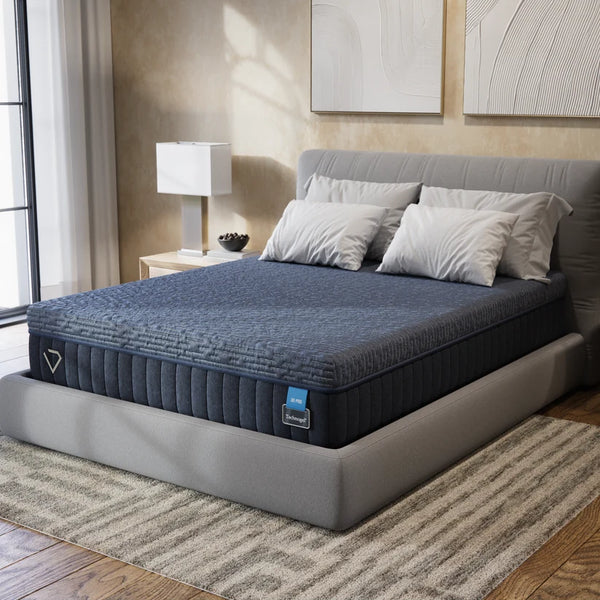
- For a cooler, comfort-forward feel: Deluxe Chill Hybrid Mattress
- For pressure relief with a cushioned top: Eco Organic Mattress
- For those who want a cooling hybrid experience: Sapira Chill Hybrid Mattress
- For a supportive, breathable approach: Helix Twilight Luxe
Real shopper sentiment (what people often say)
While individual experiences vary, many buyers describe comfort improvements they notice quickly, such as staying asleep longer, feeling less heat retention, and waking up with fewer “stiff” sensations. The common thread is that the bed’s comfort system aligns with their personal sleep routine.
If you are unsure where to start, focus on one priority: cooling, pressure relief, or motion reduction. When you choose sleep comfort technologies that match that priority, the upgrade feels personal.
FAQ Section
What are sleep comfort technologies, in simple terms?
They are comfort features built into a mattress to improve how it feels and functions at night. This can include cooling support for temperature, cushioning for pressure relief, and design elements that help reduce motion when you share a bed.
Will cooling features work if I am a side sleeper?
Yes. Side sleepers often need both pressure relief and temperature balance. Beds with breathable and airflow-focused designs can help you stay comfortable while still contouring around shoulders and hips.
How do I know if a mattress will reduce motion transfer?
Look for build designs that limit motion transfer and focus on stable support. If you wake up when your partner shifts, prioritize beds described as having motion management and supportive comfort layers that respond more quietly.
Are natural or organic materials better for comfort?
Natural materials can feel great and may appeal to shoppers who prefer breathable setups. The best choice still depends on your comfort goals. A mattress can be made with natural ingredients and still include comfort-focused features like airflow and cushioning for pressure relief.
Summary & Final Thoughts
Sleep comfort technologies bring together comfort layers, airflow support, and stable responsiveness to help you sleep with less interruption and more ease. Start by choosing the comfort problem you want to solve—cooling, pressure relief, or motion management—then match it to the way you sleep. Ready to find your next upgrade? Explore options at The Sleep Loft and pick the comfort features that fit your night.
Disclaimer: This article is for general informational purposes only and does not provide medical advice. Individual results vary based on body type, sleep habits, and preferences.
About the Author Section
The Sleep Loft - Online Mattress Showroom is a team of sleep-focused guides with expertise in helping customers find the right mattress comfort system for their needs. We focus on practical feature matching, thoughtful comparisons, and a smooth shopping experience from online browsing to in-store comfort. Visit The Sleep Loft to get started. Thank you for reading, and we hope you find a bed that supports the way you want to feel at night.
The content in this blog post is intended for general information purposes only. It should not be considered as professional, medical, or legal advice. For specific guidance related to your situation, please consult a qualified professional. The store does not assume responsibility for any decisions made based on this information.